
Hit 25–30g Protein Per Meal on GLP-1: Phase Based Eating for Adults
When you take a GLP-1 medication like Ozempic, Wegovy, or Mounjaro, prioritize high-quality protein, fiber, and hydration while avoiding high-fat, greasy, or oversized meals. This protects your muscle mass, supports steady weight loss, and keeps nausea and constipation from derailing your progress. Aim to include a moderate amount of protein per meal, increase fiber gradually, and maintain sufficient hydration daily. Call your clinician if GI symptoms become severe.
TL;DR:
Consuming adequate protein at each meal, aiming for 25 to 30 grams, is essential to preserve muscle mass during weight loss on GLP-1 medications.
Gradually increasing fiber intake and maintaining hydration are key to managing nausea and constipation, with soluble fiber sitting better initially.
Avoid high-fat, greasy, or oversized meals that can worsen gastrointestinal symptoms and hinder medication effectiveness.
Prioritize nutrient-dense foods, especially protein and fluids, and reintroduce tolerated foods slowly to prevent GI upset during different medication phases.
Personalized coaching and meal planning support better adherence, addressing individual tolerance, appetite fluctuations, and nutrient needs over time.
Table of Contents
How GLP-1 Medications Change Appetite and Digestion
GLP-1 medications work by slowing gastric emptying and dampening hunger signals in the brain. Food sits in your stomach longer, which is exactly why you feel full faster and stay full longer between meals.
That slowdown is the mechanism behind both the benefits and the side effects. Reduced meal volume helps with weight loss, but it also means nausea, constipation, or early fullness can show up when the stomach empties more slowly than usual, according to JAMA Internal Medicine.
The practical takeaway: your old plate sizes no longer apply. You need fewer calories overall, but each bite has to work harder nutritionally. That means shifting toward nutrient-dense foods and adjusting when and how much you eat to match an appetite that may only show up once or twice a day.
What Should You Eat on a GLP-1 Diet?
There is no single medically prescribed GLP-1 diet plan. What clinical guidance actually supports is an individualized, nutrient-dense eating pattern that protects your protein and micronutrient intake even as your appetite shrinks, according to a narrative review on GLP-1 nutrition. Three priorities matter most: protein, fiber, and fluids.
Protein should anchor every meal. Whether you calculate it by body weight or keep it simple with a flat daily target, aiming for a moderate protein amount per meal is advisable. Good sources include:
Greek yogurt, cottage cheese, and eggs for breakfast or snacks
Fish, poultry, tofu, and legumes for lunch and dinner
Protein shakes when solid food feels like too much volume
Fiber needs to climb gradually to avoid making nausea worse. The Harvard Health guideline recommends an appropriate daily fiber intake that aligns with general nutritional needs. Soluble fiber (oats, chia seeds, cooked vegetables) tends to sit easier than insoluble fiber (raw vegetables, whole nuts, bran) when your gut is adjusting to a new medication.
Hydration rounds out the trio. Target adequate fluid intake daily, lean on water-rich foods like soup and melon, and limit alcohol and sugary drinks, which add empty calories without helping you feel full.
Pro Tip: Keep a protein shake or a container of cottage cheese in the fridge for days when solid food feels like too much effort. It counts just as much toward your daily target.
Which Foods Should You Limit on Wegovy or Mounjaro?
Certain foods fight against how these medications work, and the mismatch usually shows up fast.
High-fat and fried foods. Fat already slows gastric emptying on its own, and stacking that on top of a GLP-1 medication’s effect commonly worsens nausea or leaves you uncomfortably full for hours, according to JAMA Internal Medicine.
Very large portions. A plate sized for your pre-medication appetite will overwhelm a stomach that empties more slowly now.
Ultra-processed sweets and sugary drinks. These crowd out the nutrient-dense calories you actually need and often trigger a sharper nausea response.
Spicy foods, carbonated drinks, and alcohol. Not everyone reacts, but these are common triggers worth testing carefully rather than assuming they’re fine.
If you’re heading into a social event, eat a small protein-forward snack beforehand so you’re not tempted to overeat, and reintroduce any food you’ve been avoiding in small amounts rather than all at once.
How Much Protein Do You Need to Preserve Muscle?
Rapid weight loss without enough protein means some of that loss comes from muscle, not just fat. A joint clinical advisory recommends 1.0 to 1.5 grams of protein per kilogram of body weight per day, with higher amounts often appropriate for older adults. If tracking grams per kilogram feels like too much math, an absolute target of 80 to 120 grams per day works as a practical substitute.
The per-meal version of this rule is easier to apply in real life: aim for at least 25 to 30 grams of protein at each meal, and front-load it early in the day when appetite is often at its highest. This single tactic does more for hitting your daily total than any other adjustment.
Older adults or anyone with reduced kidney function should get individualized guidance before increasing protein aggressively
Protein powders and ready-to-drink shakes are reasonable tools when solid food volume is hard to tolerate
Resistance training two to three times a week pairs with adequate protein to actively defend lean mass during the deficit
Weight loss trials on GLP-1 therapies show calorie reductions of roughly 16% to 39%, which is a meaningful drop; protein intake has to work harder to close that gap. Our guide on muscle loss risks for GLP-1 users goes deeper into pairing protein with strength training.
Managing Nausea, Constipation, and Meal Timing
Most people move through three rough phases as their dose increases, and matching your food choices to the phase you’re in cuts down on dropout from GI misery.
Titration phase. Stick to small, bland, low-fat meals. Think dry toast, broth, plain rice, and mild proteins.
Reintroduction phase. Slowly bring back tolerated foods in small portions, watching for what triggers symptoms.
Maintenance phase. Shift focus back to protein-dense, higher-fiber eating now that tolerance has improved.
Within any phase, eating three to five smaller meals instead of two or three large ones reduces the volume your stomach has to process at once. Avoid lying down right after eating, chew slowly, and give yourself time between bites.
For constipation specifically, increase fiber gradually rather than all at once, drink more fluids, and stay active. Talk to your clinician about a stool softener if symptoms persist beyond a few weeks.
Pro Tip: Ginger tea, dry crackers, and clear broths are the three easiest tools for a rough nausea day. Keep them stocked before you need them, not after.
Do You Need Vitamins or Supplements on a GLP-1 Medication?
Eating less overall raises the odds of missing key nutrients, even when your food choices are solid. The nutrients most likely to run low include vitamin D, B12, iron, calcium, and magnesium. Fatigue, hair thinning, tingling in the hands or feet, and unusual bruising are all worth mentioning to your provider.
Consider baseline lab work if you’ve had prior bariatric surgery, follow a restrictive diet, or notice any of the symptoms above
Use targeted supplements based on actual test results rather than guessing
Avoid high-dose, broad-spectrum supplementation as a default, since some vitamins can accumulate to harmful levels without a clear need
Loop in your clinician or a registered dietitian before starting anything beyond a basic multivitamin
Excessively restrictive eating combined with a GLP-1 medication raises the risk of nutrient shortfalls and fatigue, which is exactly why individualized monitoring matters more here than with typical dieting, according to the narrative review.
What Does a Day of Eating Look Like on GLP-1 Medications?
Small, protein-forward, and easy to prepare. That’s the formula for a plate that works with a suppressed appetite instead of against it.
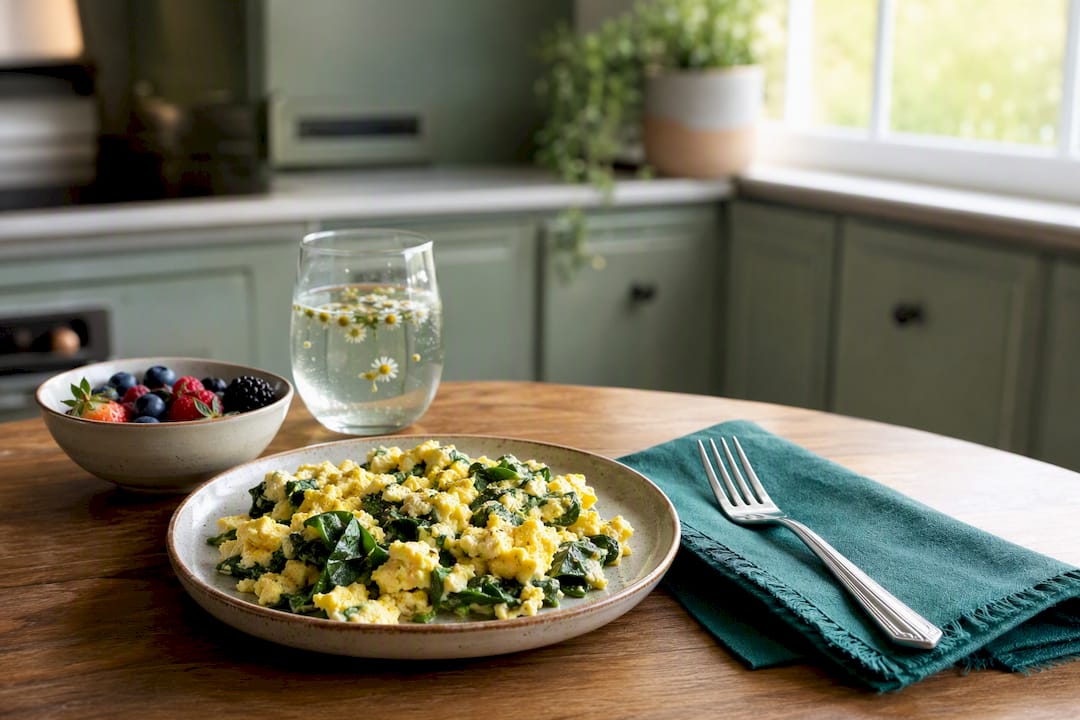
Breakfast options: Greek yogurt with berries and a spoon of chia seeds, a two-egg scramble with spinach, or a protein smoothie with frozen fruit.
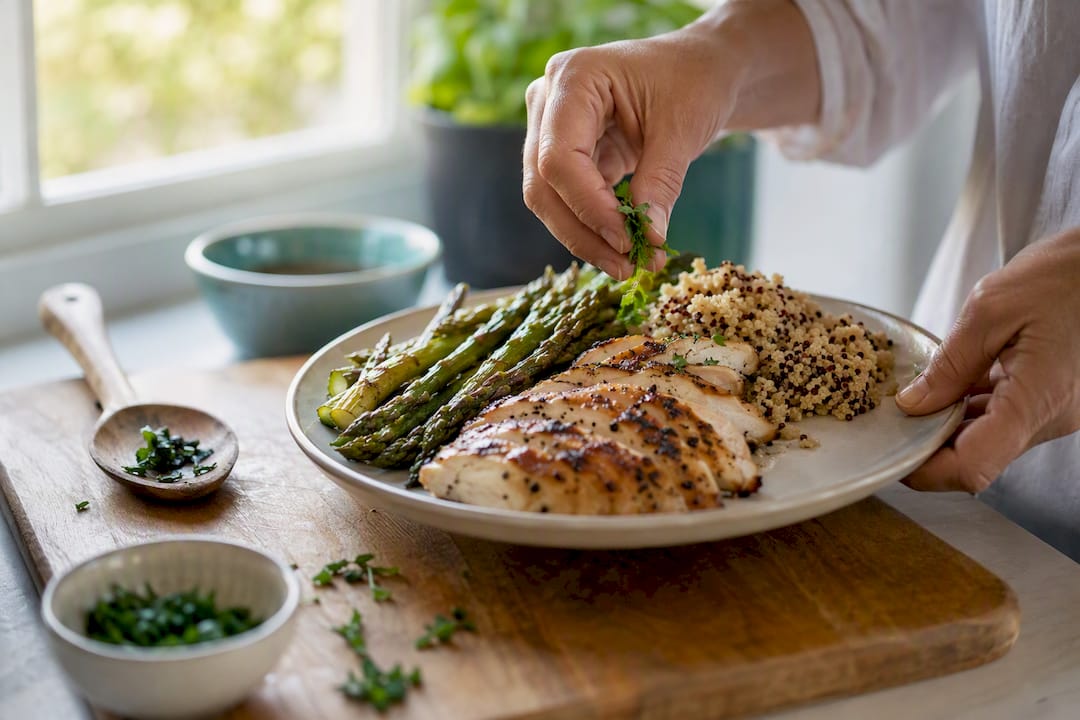
Lunch and dinner templates: Grilled chicken with roasted vegetables and a small portion of quinoa, baked salmon with steamed broccoli, or a lentil and vegetable soup with a side of cottage cheese.
Snacks: A hard-boiled egg, a small handful of edamame, or a protein shake if a full meal feels like too much.
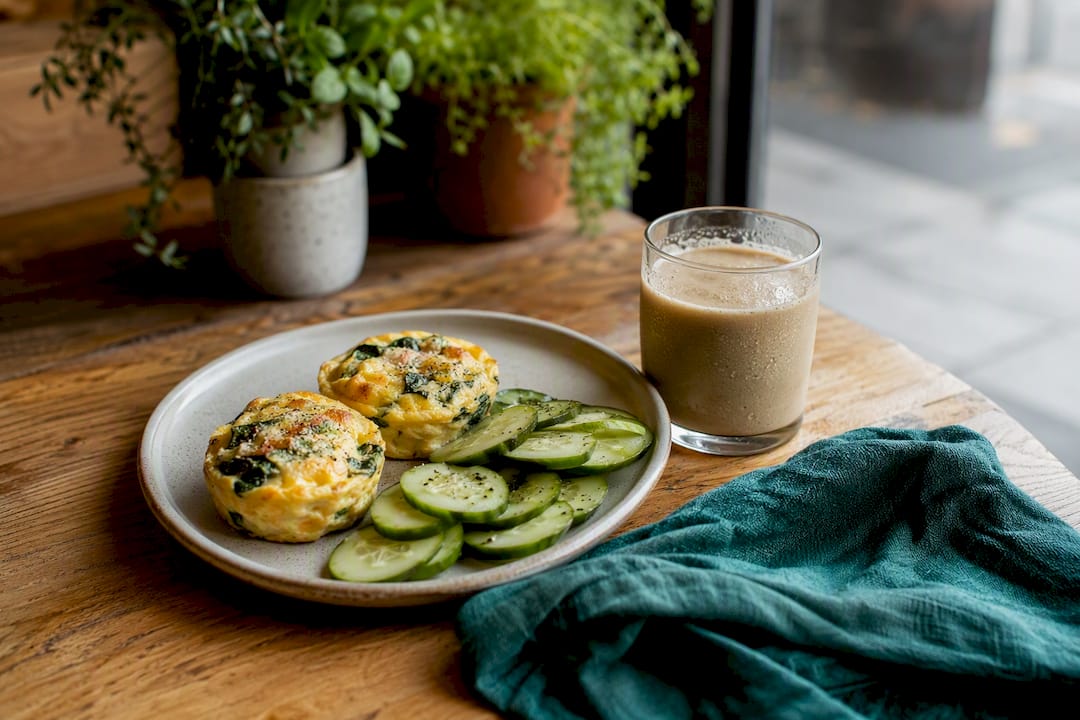
Simple swaps add protein without adding bulk: stir cottage cheese into oatmeal, add a scoop of protein powder to soup, or choose Greek yogurt over regular yogurt. Build your week around two or three templates you tolerate well rather than reinventing meals daily. Our piece on portion control tips has more on right-sizing plates without feeling deprived.
When Should You Call Your Doctor or a Dietitian?
Persistent vomiting, signs of dehydration, rapid muscle weakness, unexplained hair loss, or an inability to eat or drink enough for more than a day or two are all reasons to call your prescriber promptly. If you also take insulin or a sulfonylurea, coordinate any dietary changes with the clinician managing that medication, since low food intake changes your blood sugar risk. A registered dietitian or a coach specializing in GLP-1 nutrition can build a plan around your specific tolerance and goals.
Why Coach Jill Byrne’s Approach Fits GLP-1 Nutrition
Coach Jill Byrne specializes in GLP-1 nutrition support, built around habit-based coaching and real-food meal planning rather than rigid rules. Client testimonials describe steady, sustainable progress through practical changes to cooking and food choices. Coaching addresses the problems that come up constantly with GLP-1 medications: hitting protein targets, building a tolerable plate, timing meals around a shrinking appetite, and troubleshooting a stalled plateau.
The Real Priority Nobody Talks Enough About
Most of what circulates online about eating on GLP-1 medications focuses on what to avoid. That’s backwards. The bigger risk I see in the research isn’t nausea from a greasy meal. It’s chronic under-eating that quietly drains muscle and micronutrients over months, because nobody told the patient that “eating less” and “eating well” are not the same goal.
The evidence points to protein as the lever that matters most, not because fiber and hydration don’t count, but because protein is the nutrient most likely to get sacrificed when appetite drops and nobody’s tracking it. A per-meal target of 25 to 30 grams is more useful than a complicated formula, because it’s something you can actually check at the table.
If I had to pick one thing for someone starting a GLP-1 medication to fix first, it’s this: stop asking “what am I allowed to eat” and start asking “did I hit my protein at this meal.” Everything else, including fiber, hydration, and food tolerance, gets easier to manage once that habit is locked in.
— Coach Jill
Get Individualized Support for Your GLP-1 Nutrition Plan
Generic food lists only go so far when your appetite, tolerance, and medication dose are constantly shifting. If you’re dealing with persistent side effects, struggling to eat enough protein, or worried about losing muscle along with fat, one-on-one guidance closes that gap faster than another blog post ever will.

Coach Jill Byrne’s coaching includes personalized meal plans built around your specific medication and tolerance level, ongoing accountability, strength-training guidance to protect lean mass, and direct troubleshooting when nausea, constipation, or a plateau shows up. Instead of guessing which foods work for your body, you get a plan adjusted in real time as your dose and appetite change. Visit the Coach Jill Byrne coaching page to book a consultation and start building a plan that actually fits your life on GLP-1 medication.
This article is general information, not a substitute for advice from a qualified doctor. Consult a qualified healthcare professional about your own circumstances before acting on anything here.
Sources
FAQ
What foods naturally trigger GLP-1 release in the body?
Protein and fiber-rich foods, including legumes, eggs, fish, and vegetables, stimulate natural GLP-1 release more than refined carbohydrates or sugary foods do.
What do most people eat in a day while on a GLP-1 medication?
A typical day includes three smaller protein-forward meals (like eggs, yogurt, chicken, or fish) plus one or two small snacks, totaling far less volume than before starting the medication.
How long does it take to lose 20 pounds on a GLP-1 medication?
Timelines vary widely by therapy, dose, and individual response. Clinical trials show weight loss ranging from about 5% to 18% of body weight over the study period, so a 20-pound loss could take anywhere from a couple of months to closer to a year.
Are there foods that work like Ozempic naturally?
No food replicates a GLP-1 medication’s effect, but high-fiber and high-protein foods, such as legumes, oats, and lean meats, promote natural fullness and slower digestion in a similar direction.
How much water should I drink on a GLP-1 medication?
Aim for roughly 2 to 3 liters of fluids daily, adjusted for your activity level and any guidance from your clinician, to reduce dehydration risk during dose escalation.
Recommended
Comments