
Order Healthy Fast Food: Aim for 20–30g Protein and 5g Fiber
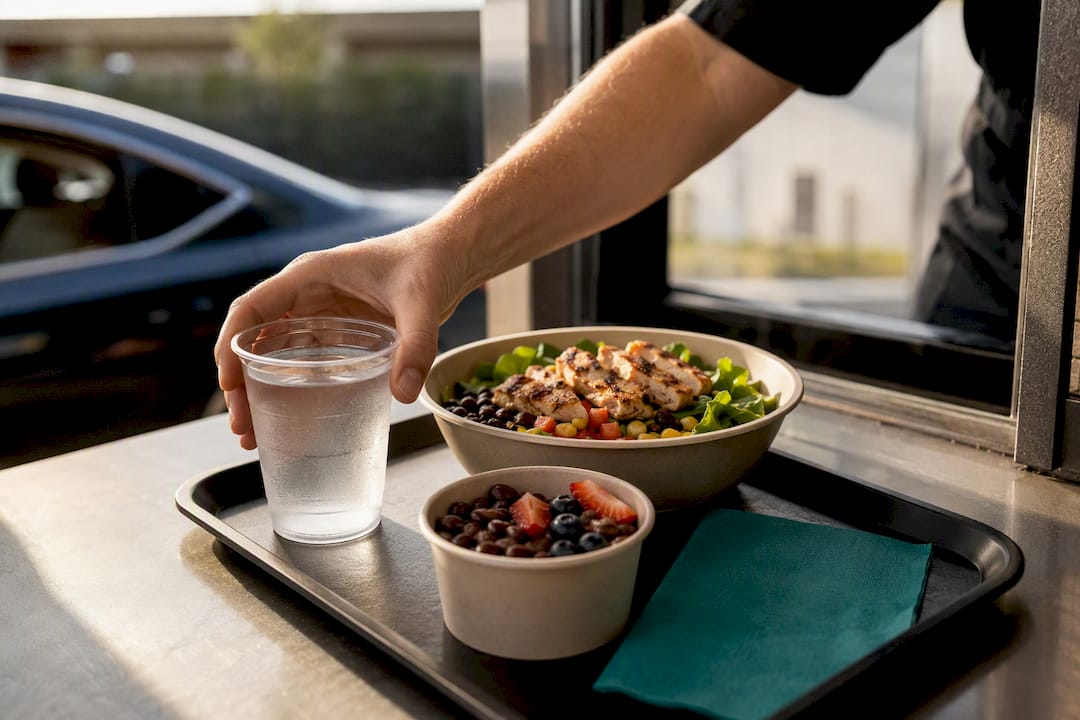
Yes, you can eat healthy fast food, and it starts with one rule: build the order around protein and fiber first, then let everything else fall in line. Grilled chicken, protein-forward bowls, protein-style burgers, and select breakfast items consistently hit that mark across major chains. Skip the high-calorie sides and sugary drinks that quietly double a meal’s calorie count. The ready-to-order list below shows exactly what that looks like at the counter.
TL;DR:
Choosing grilled, baked, or plant-based options and skipping fried or breaded items significantly reduces calorie, fat, and sodium intake in fast food meals.
Prioritizing protein and fiber with targeted sides like salads or vegetables helps you stay full longer and maintain balanced blood sugar levels.
Checking nutrition information online before ordering and requesting sauces or dressings on the side can help control sodium and calorie intake effectively.
Building a small, flexible set of orders around your habits and preferences promotes long-term healthy eating without relying on memorized menus.
Combining meal planning with moderation, mindful portion sizes, and non-sugary drinks supports weight loss and overall health while still enjoying fast food occasionally.
Table of Contents
The Healthiest Fast Food Options at 9 Major Chains
You don’t need to memorize a nutrition textbook to eat well at a drive-thru. You need a short list of orders that already work. These picks lean on protein, keep sodium in check where possible, and cover breakfast through dinner, including budget and plant-forward choices.
Chick-fil-A Grilled Nuggets (12-count) with a side salad. Around 200 calories and 25 grams of protein from the nuggets alone, this is one of the cleanest fast-food proteins available. Dietitians frequently point to it as a benchmark order, and Delish’s roundup of dietitian-approved picks singles it out for exactly that reason. Ask for the light vinaigrette on the side.
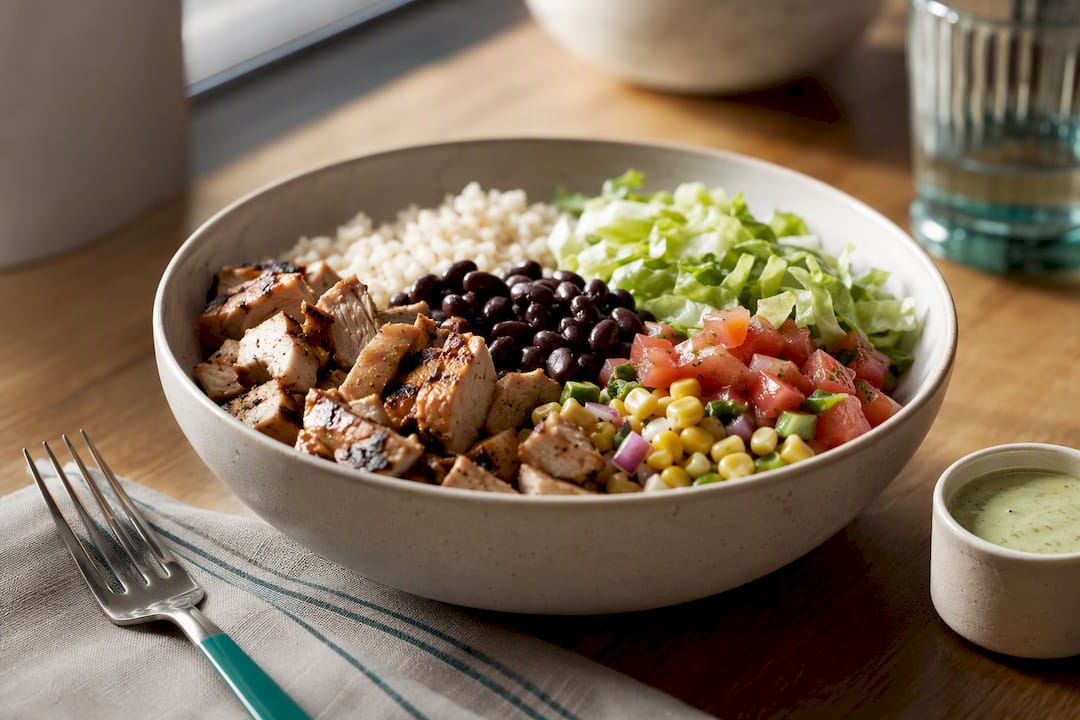
Chipotle Chicken Bowl, brown rice, fajita veggies, black beans, no cheese or sour cream. This lands around 30 grams of protein and a solid fiber hit from the beans and veggies, with calories staying in the 500 to 600 range depending on portions. Go light on the rice if you want to trim carbs further.
Taco Bell Power Menu Bowl, no rice, extra lettuce. Taco Bell’s build-your-own format makes it easier than most chains to swap starch for greens. The bowl typically provides a moderate amount of protein, and skipping the rice helps reduce sodium and calories.
McDonald’s Egg McMuffin, no butter. This breakfast sandwich offers moderate protein with relatively lower calories compared to other fast-food breakfast options. It’s also one of the lowest-calorie hot breakfast options on any major menu.
Wendy’s Grilled Chicken Sandwich, no bun (protein style). Removing the bun decreases calorie and refined carbohydrate intake while maintaining a substantial protein amount. Pair it with a side salad instead of fries.
Panera Green Goddess Cobb Salad with Chicken, dressing on the side. Panera’s grilled chicken salads generally provide a higher protein content compared to many fast-casual competitors. Using half the dressing packet, a tactic HelpGuide recommends for cutting calories without cutting flavor, keeps this from becoming a 700-calorie bowl of greens.
Starbucks Egg White & Roasted Red Pepper Egg Bites with black coffee. Two egg bites provide a modest calorie and protein amount, offering a compact option less likely to spike blood sugar compared to pastries.
Panda Express Grilled Teriyaki Chicken with Super Greens. Swapping fried rice or chow mein for the steamed super greens turns this into a genuinely balanced plate, Approximately a moderate calorie and protein amount are provided by the entrée and side combined.
In-N-Out Protein Style Burger (lettuce-wrapped, no bun). One of the most-requested “secret menu” swaps in fast food, this order strips out roughly 40 grams of refined carbs while keeping the protein and flavor intact. Ask for no spread if you’re watching saturated fat.
Chipotle Salad Bowl with Sofritas, fajita veggies, no rice. A strong plant-based option: sofritas deliver about 15 grams of plant protein, and loading up on fajita veggies adds fiber without adding meaningful calories.
Taco Bell Fresco Crunchy Tacos (2), no cheese, extra lettuce. A genuinely budget-friendly pick under $4 that runs around 280 calories combined. The Fresco style swaps cheese and sauce for pico de gallo, which meaningfully lowers saturated fat.
Wendy’s Apple Pecan Chicken Salad, half the dressing. A rare fast-food salad that actually holds up nutritionally, with grilled chicken, apples, and pecans providing protein, fiber, and healthy fats together instead of just lettuce and croutons.
McDonald’s Fruit & Maple Oatmeal. At about 290 calories with 5 grams of fiber, this is a legitimate whole-grain breakfast option, though watch the added sugar in the dried fruit topping if you’re managing blood sugar closely.
Starbucks Sous Vide Egg Bites with a Protein Box. For a bigger midday meal, pairing egg bites with the protein box (hard-boiled egg, cheese, grapes, nuts) pushes total protein toward 25 grams without touching a pastry case.
A quick caution across this entire list: sodium adds up fast in fast food, often 700 to 1,500 milligrams per item. If you’re managing blood pressure, ask for nutrition info before ordering rather than guessing.
The Ordering Rules That Work at Any Drive-Thru
Memorizing 14 specific orders only gets you so far when you’re standing in an unfamiliar drive-thru line. What actually works long-term is a small set of rules you can apply to any menu, at any chain, without a cheat sheet.
Start with the numbers that matter most: aim for 20 to 30 grams of protein and at least 5 grams of fiber per meal. Dietitians consistently point to this combination as the difference between a meal that keeps you full for four hours and one that leaves you hungry by 3 p.m., a pattern Delish’s dietitian-sourced lunch guide backs up repeatedly.
From there, a handful of swaps apply almost universally:
Choose grilled or blackened over fried or breaded every time it’s offered.
Order a bowl instead of a bun or wrap to cut refined carbs without losing the protein.
Ask for sauces and dressings on the side, then use only a quarter to half the packet.
Double the vegetables or side salad instead of adding fries, chips, or a second starch.
Skip the combo upsize; a kids’ size side or a half portion is almost always enough.
Replace soda with water, unsweetened iced tea, or black coffee to cut 150 to 300 liquid calories.
The American Diabetes Association’s guidance on eating out with diabetes makes a point worth repeating here: check nutrition information online before you arrive, not after you’ve already ordered. Most chains post full nutrition breakdowns, and five minutes of scanning a menu on your phone before you pull into the lot changes the entire decision.
Pro Tip: Order your drink first and commit to water or unsweetened tea before you even look at the food menu. Deciding the beverage in advance removes one of the biggest impulse-calorie traps in the entire transaction.
Coach Jill’s Approach to Fast Food in a Real Plan
Sustainable weight loss doesn’t require cutting fast food out entirely, and pretending it does is exactly why so many diets fail within a few weeks. The all-or-nothing mindset is the real obstacle, not the drive-thru itself.
Coach Jill’s coaching workflow builds this directly into client planning rather than treating it as an exception to manage around. A typical approach looks like this:
Pre-check nutrition online before ordering, using the chain’s published nutrition facts rather than guessing at calories or sodium.
Order protein plus fiber plus one swap, such as a grilled entrée with a side salad instead of fries, applying the rules above in real time.
Adjust the surrounding meals that same day, adding an extra serving of vegetables at dinner or trimming a snack to keep the day’s overall balance intact.
This mirrors the two-week planning method used in Coach Jill Byrne’s client sessions, where fast-food meals are capped at a set number per week and paired with three pre-approved local orders, so the decision is never made hungry and rushed at the counter. It’s a small structural change, but it’s the difference between fast food derailing a plan and fast food simply being one meal inside it. For more on building that kind of week-to-week structure, see a practical restaurant plan for eating out and losing weight.
Five Sample Orders Under 500 Calories
Sometimes it’s easier to work from a template than to build a meal from rules alone. Each of these fits comfortably under 500 calories while still hitting a real protein target.
Breakfast: McDonald’s Egg McMuffin + black coffee. Roughly 290 calories, 17 grams of protein. Skip the butter and hash browns, and this alone can carry you to lunch.
Lunch: Chick-fil-A Grilled Nuggets (12-count) + side salad, light vinaigrette. Approximately 350 calories combined with 30 grams of protein. Watch the salad’s cheese topping if you’re limiting saturated fat.
Lunch: Wendy’s Grilled Chicken Sandwich, no bun + apple slices. Around 280 calories, 30 grams of protein, and a fiber boost from the apple. Sodium runs moderate here, roughly 650 milligrams, so it’s a reasonable pick if you’ve had a lower-sodium breakfast.
Dinner: Chipotle Chicken Salad Bowl, half rice, black beans, fajita veggies, no cheese. About 450 calories with 35 grams of protein and 10+ grams of fiber, making this one of the most complete single-order meals on any fast-food menu, a pattern that shows up across several protein-anchored fast-food comparisons.
Dinner: Panda Express Grilled Teriyaki Chicken + Super Greens. Roughly 275 calories, 27 grams of protein. Sodium warning: the teriyaki sauce runs high, often over 700 milligrams, Consider asking for the sauce on the side to better control sodium intake if monitoring closely.
For beverages across any of these, water, unsweetened iced tea, or black coffee keep the calorie count where it’s meant to be. A single sweetened drink can add more calories than the entire entrée.
Why Salads and “Healthy-Sounding” Menu Items Can Backfire
Menu items don’t announce themselves as traps, but plenty of them are. Understanding the pattern makes those traps a lot easier to spot before they land on your tray.
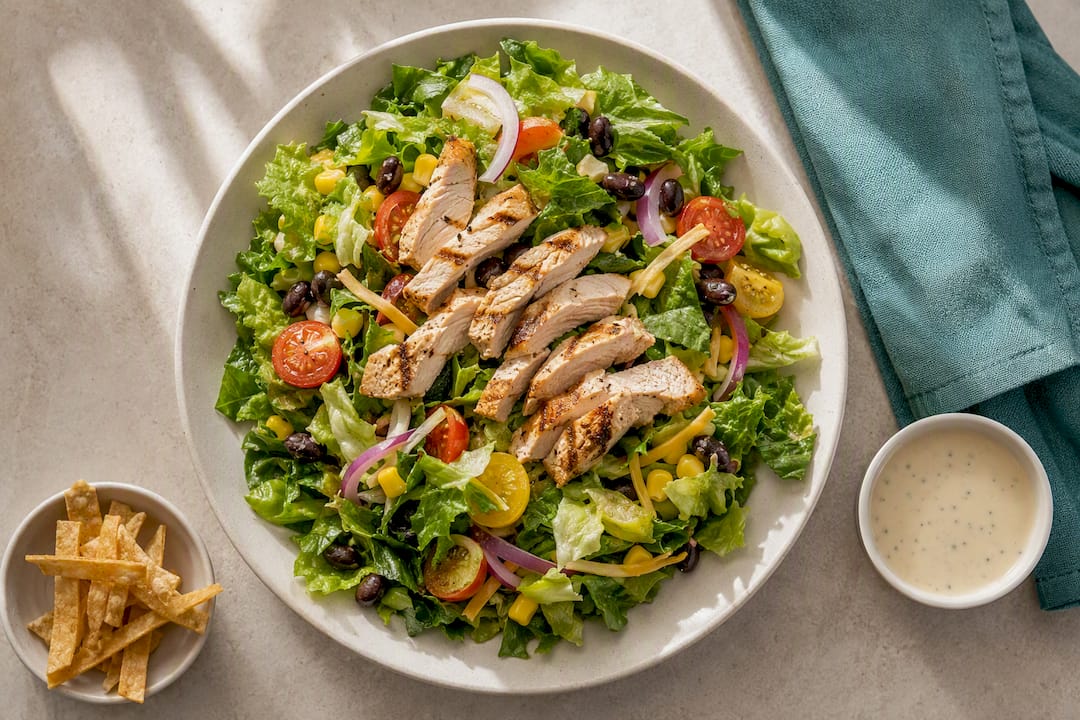
Salads are the most common one. A crispy chicken salad with ranch dressing and fried tortilla strips can carry more calories than a double cheeseburger, largely because the dressing and toppings, not the greens, drive the total. HelpGuide’s breakdown of healthier fast-food strategies makes this point directly: a salad is only as healthy as what’s added on top of it. Fix it by choosing grilled over crispy, requesting dressing on the side, and skipping fried toppings like tortilla strips or wontons.
Sodium is the second trap, and it’s harder to see coming because it doesn’t show up in flavor the way sugar or fat does. A single fast-food entrée can carry 700 to 1,500 milligrams of sodium, and CDC dietary pattern data shows most American diets already run high on it. Choosing grilled proteins over cured or breaded ones, and asking for sauce on the side, are the two most reliable levers for pulling that number down.
A few myths worth retiring:
“Protein-style” or lettuce-wrapped doesn’t automatically mean lower sodium. Check the nutrition facts.
Grilled always beats fried on fat content, but grilled items can still be heavily sauced and salted.
“Fresh” or “natural” on a menu label is marketing language, not a nutrition claim.
Ordering Around Food Allergies and Dietary Restrictions
Fast-food chains have gotten considerably better at publishing allergen information, but the burden still falls on you to check it before you order. Most major chains post full allergen menus on their websites, and it’s worth five minutes to review one before a first visit to any unfamiliar location.
For gluten-free eating, bowls without bread or breading are the safest default: Chipotle’s bowls, Chick-fil-A’s grilled nuggets over a salad, or Panda Express entrées without the fried rice or chow mein wrapper. Cross-contamination is a real risk in fryers, though, so if you have celiac disease rather than a general sensitivity, call ahead or check the chain’s dedicated allergen statement rather than assuming a menu label is enough.
For dairy-free orders, watch for cheese, butter used in cooking, and creamy dressings hiding dairy. Requesting no cheese and dressing on the side handles most of this at chains like Wendy’s and Panera.
For vegan eating, options have expanded meaningfully. Chipotle’s sofritas, Panda Express’s tofu entrées where available, and Taco Bell’s Fresco-style bean items (ordered without cheese or sour cream) all deliver real plant protein without animal products.
If you manage a chronic condition tied to specific nutrients, such as calcium or sodium restrictions related to bone health, it’s worth reviewing broader dietary guidance alongside fast-food choices. Resources like this guide on foods to avoid with osteoporosis cover interactions that a standard fast-food nutrition label won’t flag.
Balancing Fats and Carbs, Not Just Protein and Fiber
Protein and fiber get most of the attention because they drive satiety, but a meal built entirely around them while ignoring fat and carbohydrate quality still misses the mark. Balance matters across all three.
Healthy fats show up in fast food more often than people expect. Guacamole at Chipotle, the pecans in Wendy’s Apple Pecan Salad, and the olive oil base in many Mediterranean-style bowls all contribute unsaturated fat that supports fullness and nutrient absorption. The fats to watch are the ones hidden in fried batter and processed cheese sauces, which tend to be saturated and offer little nutritional return for the calories.
Carbohydrates aren’t the enemy either, despite how often fast-food guidance treats them that way. The distinction that matters is refined versus whole: a white-flour bun or fried tortilla strip spikes blood sugar quickly, while brown rice, beans, or a piece of fruit releases energy more gradually. The Dietary Guidelines for Americans frame this as choosing nutrient-dense carbohydrate sources over refined ones whenever the option exists, which at most chains means choosing beans or brown rice over white rice or fried shells.
A practical rule of thumb: if your meal already hits its protein and fiber target, spend your remaining calorie budget on healthy fat before refined starch. It keeps you fuller longer and tends to leave less room for a second trip through the drive-thru later that day.
Reading Nutrition Labels and Menu Boards the Right Way
Most major fast-food chains publish full nutrition breakdowns, either on in-store menu boards, printed handouts, or their websites and apps. The information exists. Most people simply don’t look at it before ordering.
The three numbers worth checking first are calories, protein, and sodium, in that order of priority for weight management goals. Skimming past the calorie count to check protein and sodium is often more useful than fixating on calories alone, since two 500-calorie meals can have wildly different protein content and sodium loads.
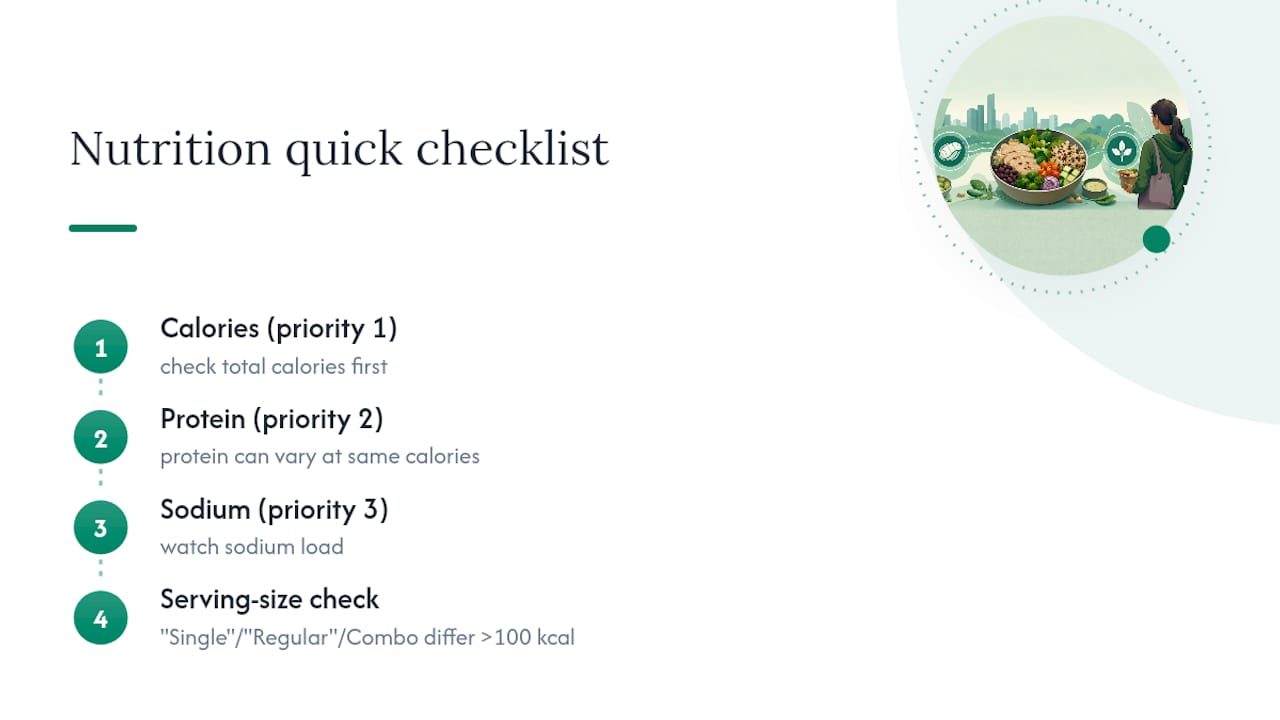
Watch for serving-size sleight of hand. A “single” entrée and a “regular” size can differ by more than 100 calories at the same chain, and combo meals often list nutrition for the sandwich alone unless you scroll further to see the full meal total. When a chain’s app or website lets you customize an order and see the nutrition numbers update in real time, use it. Building the exact order you’re planning to place, then checking the total before you drive to the restaurant, removes almost all the guesswork the American Diabetes Association recommends eliminating in the first place.
If a chain doesn’t publish clear nutrition information, that absence is itself useful data. It’s reasonable to treat those menus with more caution and default to the simplest, least-processed option available.
Managing Cravings Without Overthinking the Menu
Craving a burger at 6 p.m. isn’t a failure of willpower. It’s a normal response to hunger, stress, or simple habit, and treating it as a moral issue tends to backfire into overeating later.
The most effective mindful-eating tactic in a fast-food setting is slowing down the actual decision. Standing in line scrolling a phone while an inner voice negotiates between the salad and the double burger usually ends with whichever option feels most urgent in that moment. Deciding the order before you’re in line, ideally before you’re even hungry, removes that pressure entirely.
Eating slowly once the food arrives matters more than people expect in a fast-food context specifically, because these meals are often eaten in a car or at a desk, distracted, which makes it easy to finish a meal without registering fullness until ten minutes after the food is gone. Taking even five extra minutes, put the food down between bites, changes that.
Cravings for a specific food, rather than food in general, are worth honoring in a smaller portion rather than avoiding entirely. A few fries alongside a grilled chicken sandwich satisfies a craving without derailing the whole meal, while trying to avoid fries completely often leads to a bigger craving relapse a few days later. For more on this kind of portion-based approach, portion control strategies built for real life cover the same principle applied more broadly across meals.
A Coach’s Honest Take on Moderation
Clients rarely fail at healthy eating because they ate fast food. They fail because they treated one fast-food meal as evidence the whole week was already ruined, then stopped trying to make good choices for the next three days. That mental spiral does more damage than the meal itself ever could.
What actually works is smaller and less dramatic than most diet advice suggests: two or three trusted orders you can return to without deliberation, a habit of checking nutrition information before you’re standing at the counter, and a plan for the rest of the day that doesn’t hinge on one meal being perfect. Try it for two to four weeks. Pick three orders from the list above, use them on repeat, and track how you feel rather than obsessing over the scale daily.
— Coach Jill
Get a Personalized Fast-Food Strategy From Coach Jill
A curated list gets you through this week’s drive-thru runs, but a personalized plan is what makes healthy fast-food ordering hold up for months, not just a few good days. Coach Jill Byrne builds that plan around your actual schedule, the chains you already visit, and the habits that have or haven’t stuck for you before, instead of asking you to memorize a generic list and hope it fits your life.

A first consult typically covers where fast food currently shows up in your week and what’s realistic to change first. From there, coaching sessions can include:
A review of your go-to orders with specific, protein-first swaps
Portion strategies tailored to your actual hunger patterns, not a generic calorie chart
Accountability check-ins to keep the plan consistent through busy weeks
Adjustments as your schedule, goals, or GLP-1 medication needs change
If you’re ready to stop guesswork-ordering and build a fast-food strategy that fits your actual life, start with a personalized consultation at Coach Jill Byrne.
Sources
The guidance in this article draws on a mix of federal nutrition standards, medical association advice, and dietitian-reviewed fast-food roundups. The Dietary Guidelines for Americans anchor the protein-and-fiber framing used throughout. The American Diabetes Association’s fast-food guidance informs the pre-planning and nutrition-checking advice. CDC dietary pattern data supports the sodium context in the pitfalls section. Delish’s dietitian-sourced roundups and HelpGuide’s practical fast-food strategies shaped the specific menu picks and customization tips.
This article is general information, not a substitute for advice from a qualified doctor. Consult a qualified healthcare professional about your own circumstances before acting on anything here.
FAQ
What is the healthiest fast food I can eat?
Grilled chicken items with 20 to 30 grams of protein and a fiber-rich side, like Chick-fil-A’s grilled nuggets with a side salad or a Chipotle bowl with beans and fajita veggies, consistently rank as the healthiest available orders.
What is the best fast food to eat when on a diet?
Bowl-style meals without added rice or with reduced rice, protein-style burgers without the bun, and grilled entrées paired with a side salad or steamed vegetables tend to fit most weight-loss goals best, since they maximize protein and fiber per calorie.
What fast food is not processed?
No fast food is entirely unprocessed, but options built around grilled chicken, beans, and fresh vegetables, like a Chipotle salad bowl or Chick-fil-A grilled nuggets, are meaningfully less processed than fried, breaded, or pre-formed items.
Is Chick-fil-A or McDonald’s healthier?
Chick-fil-A’s grilled nugget options generally offer a leaner protein-to-calorie ratio than most of McDonald’s fried menu items, though McDonald’s Egg McMuffin and oatmeal are comparably solid choices when ordered without extra butter or sugar.
Recommended
Comments