
How the Food Mood Connection Works for Mental Health

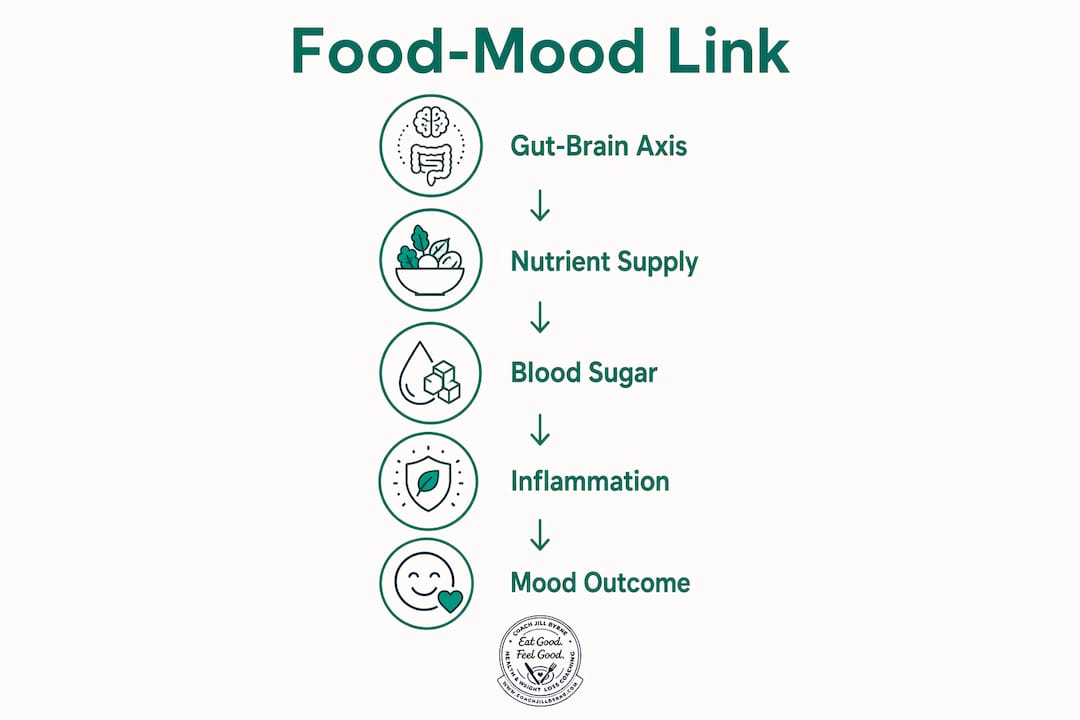
What you eat directly shapes how you feel. The food and mood relationship operates through at least four measurable biological pathways: neurotransmitter synthesis, blood glucose regulation, systemic inflammation, and gut microbiome activity. Research published in the BMJ confirms that healthy dietary patterns like the Mediterranean diet are consistently associated with better mental health outcomes than Western-style eating. This is not a soft correlation. Diet influences the same brain chemicals, immune signals, and gut bacteria that regulate anxiety, focus, and emotional resilience every single day.
The core mechanisms at work include:
Neurotransmitter production: The gut produces the majority of the body’s serotonin. What you eat feeds or starves the bacteria responsible for that production.
Blood glucose stability: Rapid spikes and crashes in blood sugar trigger the release of stress hormones like cortisol and adrenaline, which directly affect anxiety and irritability.
Inflammation: Diets high in refined carbohydrates and saturated fat promote systemic inflammation, which disrupts serotonin and dopamine signaling in the brain.
Gut microbiome diversity: A fiber-rich, polyphenol-rich diet supports microbial diversity that produces mood-regulating metabolites, including short-chain fatty acids.
The relationship also runs in the other direction. Stress and emotional fatigue drive food choices toward inflammatory comfort foods, which then worsen mood and perpetuate the cycle. Understanding how food affects mood means recognizing this bidirectional dynamic, not just the one-way “eat better, feel better” message.
How the gut-brain axis connects digestion to your emotions
The gut and brain are in constant communication through a network scientists call the microbiota–gut–brain axis. This axis operates through neural, metabolic, immune, and endocrine signals, making it one of the most complex regulatory systems in the body. Disruptions to any one of those channels can show up as mood instability, anxiety, or cognitive fog.

The vagus nerve is the fastest route in this network. Harvard Medical School immunologist Jun Huh describes it as a direct communication highway between the gut and the brain, distinct from the slower immune cell pathways that also carry gut signals. Dietary inputs can reach the brain through the vagus nerve almost immediately, which explains why a poorly balanced meal can shift your mental state within hours.
Gut microbes do more than digest food. Key bacterial strains, including Lactobacillus and Bifidobacterium, produce GABA, the brain’s primary inhibitory neurotransmitter. Others contribute to dopamine and serotonin synthesis. When microbial diversity drops, that production falters.
The consequences of a disrupted gut environment include:
Dysbiosis: An imbalance between beneficial and harmful bacteria, associated with altered emotional regulation.
Leaky gut: Increased intestinal permeability, linked to diets high in saturated fats, refined sugars, and artificial sweeteners, allows inflammatory compounds to enter the bloodstream and reach the brain.
Immune activation: Gut inflammation triggers immune cells that travel through the bloodstream and alter brain chemistry, particularly serotonin and dopamine levels.
Reduced short-chain fatty acid production: Fiber fermentation by gut bacteria produces these anti-inflammatory compounds. Less fiber means less production and weaker mood regulation.
A 2023 study in Psychological Medicine involving more than 200 women found that specific gut microbes were linked to emotions such as happiness and hopefulness, while microbiome disturbances were associated with anxiety, irritability, and feeling overwhelmed.
Which nutrients most directly influence mood and brain function?
Specific nutrients act as the raw materials for brain chemistry. Without adequate supply, the biochemical processes that regulate mood simply cannot function at full capacity.

Omega-3 fatty acids are among the most studied. Found in fatty fish, walnuts, and flaxseed, they support mood regulation and have prebiotic effects on the gut microbiome. Research shows consistent benefits for anxiety, though effects on depression are more variable. Supplementation is most appropriate for correcting documented deficiencies rather than as a blanket preventive strategy.
B vitamins, vitamin D, magnesium, and zinc function as cofactors in neurotransmitter synthesis and immune regulation. Folate (B9) deficiency has been linked to depressive symptoms and poor response to antidepressants. Low vitamin D levels correlate with higher rates of depression and schizophrenia. Zinc modulates cytokine activity and supports neurogenesis through its effects on brain-derived neurotrophic factor. Targeted correction of documented nutrient deficiencies produces better mental health outcomes than indiscriminate supplementation across the board.
Dietary fiber does double duty. It slows glucose absorption, preventing the blood sugar swings that trigger irritability and anxiety, and it feeds the gut bacteria that produce mood-regulating short-chain fatty acids. Whole grains, legumes, fruits, and vegetables are the most practical sources.
Polyphenols and antioxidants found in berries, coffee, tea, and extra virgin olive oil modulate the gut microbiome and protect against oxidative stress in brain tissue. Olive oil’s oleic acid is a precursor to oleamide, a compound with potential sleep-related and mood-related effects.
Key nutrient-dense foods to prioritize:
Fatty fish (salmon, sardines, mackerel) for omega-3s
Leafy greens and cruciferous vegetables for folate and antioxidants
Legumes and whole grains for fiber and B vitamins
Nuts and seeds for healthy fats and magnesium
Fermented foods like yogurt, kefir, and kimchi for live beneficial bacteria
Citrus fruits for flavonoids that support serotonin and dopamine in the gut
Practical dietary changes that support better mood
The Mediterranean dietary pattern is the most evidence-backed approach for mental well-being. It brings together vegetables, legumes, whole grains, nuts, seeds, olive oil, and seafood in a way that addresses inflammation, blood glucose stability, and gut health simultaneously. Patricia Chocano-Bedoya, a senior epidemiologist at the University of Zurich, notes there is “consistent evidence for a Mediterranean-style dietary pattern and lower risk of depression.”
Ultra-processed foods work against every one of those mechanisms. Women consuming nine or more servings of ultra-processed foods daily had a 49% higher risk of depression than those who had fewer than four, according to a 2023 study published in JAMA Network Open. These foods are high in refined carbohydrates, sugar, and additives while lacking the fiber, vitamins, and healthy fats the brain needs for stable function.
Blood sugar management deserves particular attention. Wolfgang Marx, PhD, deputy director of the Food & Mood Centre at Deakin University, states that “eating a balanced meal with protein, fiber, and healthy fats can stabilize blood glucose and reduce irritability, fatigue, and brain fog within hours.” That near-immediate effect makes meal composition one of the most practical mood regulation tools available.
Pro Tip: Build each meal around a protein source, a fiber-rich vegetable, and a healthy fat. This combination slows glucose absorption and prevents the energy crashes that amplify anxiety and irritability throughout the day.
Practical steps to implement:
Swap refined grains for whole grains like oats, barley, or bulgur
Add a serving of legumes (lentils, chickpeas, black beans) to meals three to four times per week
Include fermented foods daily to support gut microbial diversity
Reduce ultra-processed snacks gradually rather than eliminating them all at once
Eat colorful fruits and vegetables at most meals for antioxidant coverage
Limit alcohol, which is an inflammatory substance that disrupts gut bacteria and sleep quality
Small, sustained dietary shifts produce measurable changes in the biological systems that shape mood. You do not need a complete dietary overhaul to start seeing results.
How personalized nutrition coaching supports lasting mental well-being
Generic dietary advice rarely translates into lasting behavior change. The gut microbiome responds to food in highly individual ways, which means a one-size-fits-all approach misses the specific patterns driving each person’s mood and energy. Personalized nutrition coaching addresses this by building habits around a person’s actual food environment, preferences, and psychological triggers.
Coachjillbyrne’s approach centers on habit-based coaching rather than restrictive dieting. The focus is on building consistent, sustainable routines that support gut health, nutrient balance, and blood glucose stability over time. Clients learn to recognize the emotional and situational triggers that push them toward inflammatory comfort foods, and they develop practical alternatives that fit into real daily life. This kind of mindful eating practice addresses the bidirectional nature of the food and mood relationship directly.
Accountability is a core component. Research confirms that psychological factors drive food choices, and that addressing emotional triggers is necessary for sustainable dietary change. Structured support from a coach provides the external accountability that makes it easier to stay consistent when stress or fatigue would otherwise pull someone back toward old patterns.
Coachjillbyrne’s coaching framework integrates healthy eating routines with mindful nutrition and practical meal planning, giving clients the tools to make changes that hold. The goal is not a temporary fix but a recalibrated relationship with food that supports mental and physical well-being for the long term.

Ready to apply the food-mood connection to your own life? Coachjillbyrne offers personalized nutrition coaching designed to build the practical habits that support lasting mental and physical wellness.
Key Takeaways
The food and mood relationship operates through the gut-brain axis, blood glucose regulation, inflammation, and nutrient availability, making dietary choices one of the most accessible tools for supporting mental well-being.
Point | Details |
Gut-brain axis is bidirectional | Neural, immune, and metabolic signals connect gut health to mood, stress response, and cognition. |
Blood glucose stability matters fast | Balanced meals with protein, fiber, and healthy fats can reduce irritability and brain fog within hours. |
Ultra-processed foods raise depression risk | Women consuming nine or more servings of ultra-processed foods daily had a 49% higher risk of depression than those who had fewer than four. |
Mediterranean diet is the gold standard | Consistent evidence links this dietary pattern to lower risk of depression and reduced inflammation markers. |
Personalized coaching drives lasting change | Individual microbiome responses and psychological triggers make tailored nutrition support more effective than generic diets. |
FAQ
What is the connection between food and mood?
Food influences mood through gut microbiome activity, blood glucose regulation, inflammation, and neurotransmitter production. The relationship is bidirectional: mental states also shape food choices, which is why addressing both biology and behavior produces the best outcomes.
How quickly can diet changes affect how you feel?
Eating a balanced meal with protein, fiber, and healthy fats can stabilize blood glucose and reduce irritability, fatigue, and brain fog within hours, according to Wolfgang Marx, PhD, of the Food & Mood Centre at Deakin University. Broader mood improvements from consistent dietary changes may take one to three weeks.
Which foods most reliably support better mood?
Fatty fish, leafy greens, legumes, whole grains, fermented foods like yogurt and kimchi, nuts, and colorful fruits and vegetables are the most consistently supported by research. These foods address inflammation, gut health, and nutrient availability simultaneously.
Do ultra-processed foods really worsen mental health?
Yes. High intake of ultra-processed foods is linked to higher risks of depression and anxiety through inflammation, blood sugar swings, and microbiome disruption. A 2023 study in JAMA Network Open found women consuming nine or more servings of ultra-processed foods daily had a 49% higher risk of depression than those who had fewer than four.
Is nutrition supplementation effective for mood support?
Supplementation is most effective when correcting documented deficiencies in nutrients like vitamin D, folate, B12, magnesium, or zinc. Broad-spectrum supplementation without a confirmed deficiency shows inconsistent results in clinical trials and is not a substitute for a nutrient-dense whole-food diet.
Recommended
keonhacai5 dạo này mình thấy vài người nhắc nên tò mò bấm vào xem thử giao diện thế nào thôi. Mình không có ngồi soi nội dung hay chơi gì cả, chủ yếu lướt qua để xem họ sắp xếp trang ra sao cho dễ nhìn. Ấn tượng đầu là bố cục khá thoáng, các mục được gom thành từng khối rõ ràng nên kéo xuống không bị ngợp. Mình thích kiểu họ trình bày thông tin theo dạng bảng cột gọn gàng, nhìn cái là nắm được ngay chứ không phải đọc một đống chữ liền tù tì. Menu cũng đặt chỗ dễ thấy nên chuyển qua lại giữa các phần khá nhanh, không phải bấm tìm nhiều. Nói…