
Hydration Tips for Zepbound Weight Loss Success
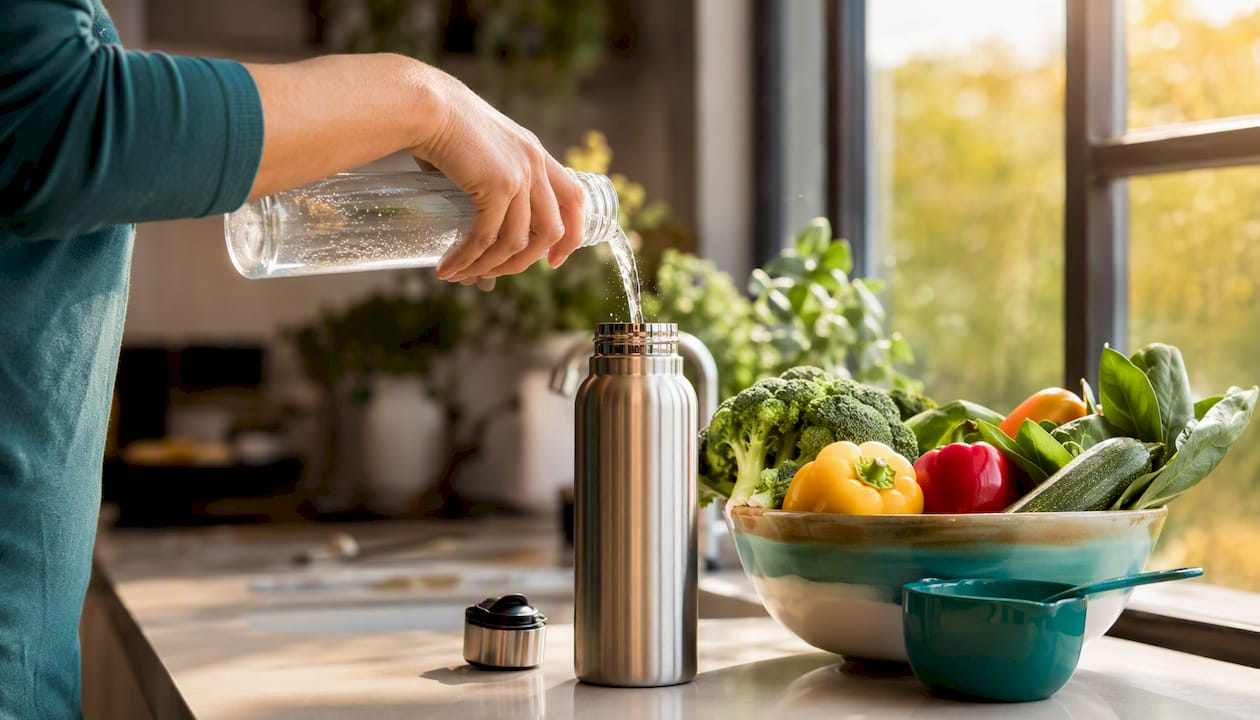
If you’re taking Zepbound (tirzepatide), the single most important hydration habit you can build is a scheduled sipping plan paired with a personalized daily fluid target. Most adults on Zepbound do well aiming for roughly 64–100 ounces (about 2–3 liters) per day, adjusted for your body size, activity level, climate, and any GI symptoms you’re experiencing. Because GLP-1 medications can blunt your thirst signal, waiting until you feel thirsty is not a reliable strategy on this medication.
Start here — your daily hydration checklist:
Carry a measured water bottle (24–32 oz) so you can track intake without guessing
Set hourly reminders on your phone or watch to prompt a few sips
Check your urine color before each void: pale yellow is your target; dark amber means drink more
Add electrolytes only when you’ve had vomiting, diarrhea, or heavy sweating, not as a daily default
Pair water intake with fiber-rich foods to reduce constipation risk
Avoid large volumes of fluid with meals, which can worsen nausea on Zepbound
Seek urgent care if you experience: severe or persistent vomiting or diarrhea, fainting or near-fainting, very low urine output for several hours, or sudden confusion. These are signs of significant dehydration that require prompt medical attention, not home management.
Pro Tip: Front-load your fluids. Aim to reach about half your daily target before noon, when nausea tends to be lower for many people on Zepbound. Sipping becomes harder later in the day when fatigue and GI discomfort peak.
Key Takeaways
Scheduled sipping, urine-color monitoring, and a personalized fluid target of 64–100 ounces daily form the foundation of safe, effective hydration for adults on Zepbound.
Point | Details |
Daily fluid target | Aim for 64–100 oz (about 2–3 L) daily, adjusted for body size, activity, and GI symptoms. |
Urine color monitoring | Pale yellow urine signals adequate hydration; dark amber means increase fluids immediately. |
Electrolytes when needed | Use low-sugar oral rehydration solutions after vomiting, diarrhea, or heavy sweating, not daily. |
Red-flag symptoms | Fainting, confusion, very low urine output, or persistent vomiting require urgent medical care. |
Coachjillbyrne support | Personalized GLP-1 nutrition coaching covers hydration planning, symptom tracking, and habit-building alongside your prescriber’s care. |
Table of Contents
Why does Zepbound change how much fluid you need?
Zepbound works by activating GLP-1 and GIP receptors, which slows gastric emptying and reduces appetite. Those same mechanisms directly affect your fluid balance in ways that most people don’t anticipate before starting the medication.
Tirzepatide’s prescribing information lists nausea, vomiting, and diarrhea among the most common side effects, particularly in the first weeks after a dose increase. Each episode of vomiting or diarrhea can cause meaningful fluid and electrolyte losses in a short window. Combine that with a blunted thirst drive, and you have a situation where your body is losing more fluid than usual while simultaneously sending weaker signals to replace it.
WebMD’s clinical overview of Zepbound notes that nausea and constipation are among the most frequently reported complaints, and that staying well hydrated is a primary recommendation for managing both. Dehydration worsens constipation by reducing water available for stool formation, and it can amplify nausea, fatigue, and headaches, creating a cycle that makes side effects feel worse than they need to be.
There is also a kidney consideration. Reduced fluid intake during periods of GI illness can stress kidney function, particularly if you take other medications like NSAIDs or diuretics. This is not a reason to avoid Zepbound. It is a reason to treat hydration as a clinical priority, not an afterthought.
Key physiologic changes to know:
Slowed gastric emptying means fluids sit in the stomach longer, which can cause bloating if you drink large amounts at once
Reduced thirst cues mean you may feel adequately hydrated when you are not
GI side effects (nausea, vomiting, diarrhea) increase fluid and electrolyte losses beyond baseline
Reduced caloric intake from appetite suppression can also reduce fluid from food sources
How much should you drink on Zepbound each day?
Patient-facing guidance commonly recommends a baseline of 64–100 ounces (about 2–3 liters) per day for many adults on Zepbound, with adjustments based on individual factors. General population references, such as those from the Academy of Nutrition and Dietetics, suggest daily fluid intake guidelines that vary by sex across all fluid sources, including food. For people on Zepbound, those baselines are a starting point, not a ceiling.
Here is a practical, step-by-step method to personalize your target:
Start with the half-your-body-weight rule. Take your body weight in pounds and divide by two. That number in ounces is a reasonable daily fluid starting point (e.g., 180 lbs ÷ 2 = 90 oz).
Add for exercise. For every hour of moderate activity, add approximately 12–16 oz to your baseline.
Add for heat or humidity. Hot weather increases sweat losses; add at least 8–16 oz on warm days or when you’re outdoors for extended periods.
Add for GI losses. If you’ve had vomiting or diarrhea in the past 24 hours, increase your intake and consider an oral rehydration solution.
Adjust for medical conditions. If you have kidney disease, heart failure, or are on diuretics, your clinician should set your fluid ceiling. Do not apply these general rules without their input.
Pro Tip: Drinking large volumes of plain water rapidly can dilute blood sodium and cause hyponatremia, a potentially serious condition. Sip steadily throughout the day rather than trying to “catch up” with large glasses all at once. Spread intake across waking hours.
Which fluids work best, and what should you avoid?
Plain water is the right first choice for routine daily hydration on Zepbound. It has no calories, no sugar, and no additives that could interfere with your weight loss goals. That said, variety helps with consistency, especially when nausea makes plain water unappealing.
Drinks that support hydration on Zepbound:
Still or sparkling water (unsweetened)
Unsweetened herbal teas, particularly ginger or peppermint, which may also ease nausea
Low-sodium broth, which provides both fluid and electrolytes
Water-rich foods: cucumber, watermelon, celery, and zucchini contribute meaningfully to daily fluid totals
Low-sugar oral rehydration solutions (ORS) when GI losses are significant
When vomiting or diarrhea causes rapid fluid losses, plain water alone may not be sufficient because it does not replace the sodium and potassium lost with those fluids. That is when a low-sugar ORS or electrolyte drink becomes appropriate. Choose products with minimal added sugar, as high-sugar beverages can worsen GI discomfort and add unnecessary calories.
A note on electrolytes: Sodium, potassium, and magnesium are the key electrolytes lost during GI illness and heavy sweating. Replacing them matters. However, if you have kidney disease or a heart condition, electrolyte supplementation requires clinician approval first. Athletic hydration research confirms that electrolyte-containing beverages restore fluid balance more effectively than plain water after significant losses, but hyperhydration with electrolyte drinks carries its own risks.
Drinks to limit or avoid:
Sugary sodas and fruit juices: high sugar content adds calories and can worsen GI symptoms
High-sugar sports drinks: appropriate only for prolonged, intense exercise, not casual daily use
Alcohol: a diuretic that increases fluid losses and can intensify Zepbound side effects
High-caffeine energy drinks: caffeine has a mild diuretic effect and can worsen nausea
Pro Tip: If plain water feels unpleasant during a nauseous period, add a few slices of cucumber or a squeeze of lemon to your bottle. The mild flavor often makes sipping easier without adding meaningful sugar or calories.
How do you recognize dehydration and what should you do?
Catching dehydration early on Zepbound is straightforward when you know what to watch for. The challenge is that the medication’s blunted thirst signal means you may feel fine while already mildly dehydrated.
Urine color and void frequency are validated, practical monitoring tools you can use at home without any equipment. Pale yellow urine indicates adequate hydration. Dark yellow or amber urine is a reliable signal to increase fluid intake. If you are voiding fewer than three or four times per day, that is another indicator that intake is too low.
Signs of dehydration to watch for:
Dark urine or significantly reduced urination
Dry mouth, increased thirst (when it does register), or cracked lips
Headache, fatigue, or difficulty concentrating
Dizziness, especially when standing up quickly
Worsening constipation
Step-by-step response by severity:
Mild signs (dark urine, dry mouth, mild headache): Increase fluid intake immediately. Sip 8–12 oz of water or a low-sugar electrolyte drink over 30 minutes. Rest and monitor.
Moderate signs (dizziness, significant fatigue, reduced urination): Stop exercise. Use an oral rehydration solution. Contact your clinician if symptoms do not improve within a few hours.
Severe signs (fainting, confusion, very low or no urine output, persistent vomiting): Seek emergency care. Do not attempt to manage these at home.
Short-term body-weight tracking adds another layer of monitoring. A loss of more than 1–2 pounds overnight often reflects fluid loss rather than fat loss, particularly during a GI illness episode. Weighing yourself at the same time each morning provides a simple trend check.
How do you stay hydrated when nausea or low appetite gets in the way?
Nausea is the most common reason people on Zepbound struggle with hydration. When the thought of drinking a full glass of water triggers discomfort, the natural response is to drink less. That response makes the side effects worse, not better.
Practical strategies for drinking when nausea is present:
Take small sips every 10–15 minutes rather than drinking by the glass
Try room-temperature water; cold water can intensify nausea for some people
Use ice chips as an alternative when even small sips feel difficult
Ginger or peppermint herbal tea provides both fluid and mild nausea relief
Eat water-rich foods (cucumber, watermelon, broth-based soups) to contribute to fluid intake without requiring large volumes of liquid
Avoid drinking large amounts immediately before or during meals, as this can worsen bloating and nausea given Zepbound’s effect on gastric emptying
Practical patient resources confirm that small, frequent sips with flavored water or herbal teas improve tolerance significantly when nausea is active. Ginger, in particular, has a well-established record in managing GI discomfort.
For constipation, hydration alone has limited impact. Pairing increased water intake with fiber-rich foods is what actually moves the needle on stool bulk and bowel regularity. Aim for fiber from whole foods (vegetables, legumes, oats) alongside your fluid increases, not fiber supplements alone.
Pro Tip: Keep a small 8–12 oz bottle on your nightstand and drink it before getting out of bed. This one habit adds meaningful fluid before nausea typically peaks mid-morning and sets a positive pattern for the rest of the day.
How should active people on Zepbound handle hydration during exercise?
Exercise is strongly encouraged during Zepbound treatment for preserving lean mass and supporting long-term weight management. It also increases fluid needs in ways that require a specific plan.
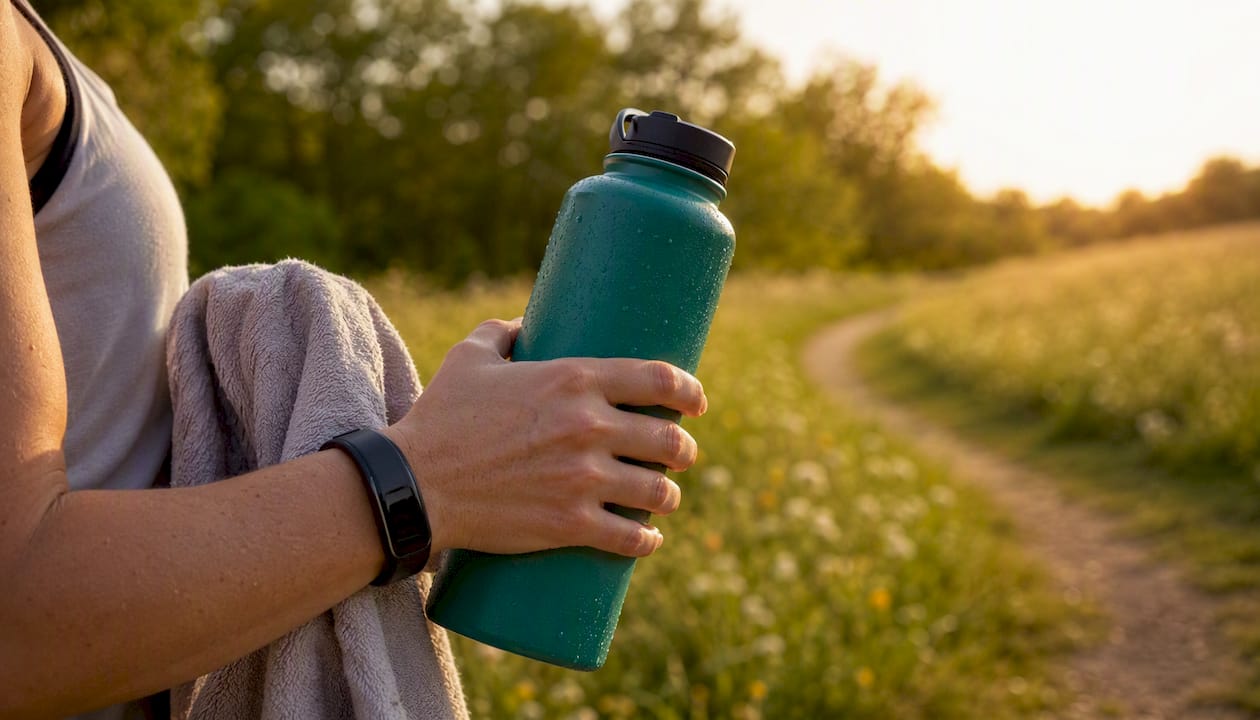
Exercise-focused hydration research recommends beginning any workout in a well-hydrated state and aiming to limit body mass loss during activity to less than 2%. Losing more than that impairs performance and increases the risk of heat illness. For people on Zepbound, whose baseline fluid intake may already be lower due to reduced appetite and nausea, this threshold is worth monitoring carefully.
Pre-, during-, and post-exercise hydration plan:
2–3 hours before exercise: Drink approximately 7 mL per kilogram of body weight (roughly 12–16 oz for most adults) to arrive at your workout well-hydrated.
During exercise: Sip small amounts every 15–20 minutes rather than drinking large volumes at once. For sessions under 60 minutes, plain water is sufficient.
After exercise: Replace fluid losses. For sessions over 60 minutes or in hot conditions, consider a low-sugar electrolyte drink to restore sodium alongside fluids.
NATA athletic hydration guidance cautions that overdrinking plain water during prolonged exercise can cause exercise-associated hyponatremia, a dangerous drop in blood sodium. Sip to thirst during shorter sessions; use a structured plan for longer ones.
Pro Tip: Weigh yourself (without clothes) immediately before and after a workout session lasting 45 minutes or more. Each pound lost represents approximately 16 oz of fluid. This gives you a precise replacement target rather than a guess.
What should you tell your clinician about hydration?
Your healthcare provider needs specific information to give you safe, individualized hydration guidance. A general question like “Am I drinking enough?” is less useful than arriving with concrete data.
Bring this information to your next appointment:
How much weight you’ve lost since starting Zepbound and over what time frame
The number and severity of vomiting or diarrhea episodes per week
Your current urine color pattern and approximate void frequency
All other medications you take, particularly diuretics, NSAIDs, ACE inhibitors, or ARBs
Any history of kidney disease, heart failure, or electrolyte disorders
Questions worth asking your clinician:
“Given my current medications and health history, what daily fluid target is safe for me?”
“Should I use an oral rehydration solution on days when I have GI symptoms?”
“At what point should I call you versus going to the emergency room for dehydration?”
“Are there any electrolyte supplements I should avoid given my other conditions?”
“How should I adjust my fluid intake if I start exercising more intensively?”
A simple tracking log, even a notes app entry each day, recording total fluid consumed, void frequency, urine color, and any GI symptoms gives your clinician the data they need to make specific recommendations. One week of consistent tracking is more useful than a month of vague recollections.
A sample daily hydration plan you can bring to your clinician
This schedule is a starting framework, not a prescription. Adjust it with your healthcare provider based on your specific health conditions, medications, and Zepbound dose.
Sample daily schedule:
On waking (before breakfast): 8–12 oz of water or herbal tea
With breakfast: 8 oz; avoid drinking more than 8 oz during the meal itself to minimize bloating
Mid-morning (9–10 AM): 8–12 oz; set a phone reminder if needed
Before lunch: 8 oz
Mid-afternoon (2–3 PM): 8–12 oz; this is a common low-energy window where hydration helps
Pre-exercise (if applicable): 12–16 oz, 2–3 hours before activity
Post-exercise: Replace fluid losses based on body-weight check
Evening (before 7 PM): Final 8 oz; taper off 2–3 hours before bed to reduce nighttime waking
Daily monitoring template:
Metric | What to Track |
Total fluid intake | Ounces consumed across all sources |
Void frequency | Number of times urinating per day |
Urine color | Pale yellow = on track; dark = increase fluids |
GI symptoms | Nausea, vomiting, diarrhea episodes and severity |
Morning weight | Note any overnight drop greater than 1–2 lbs |
Pro Tip: If you have a cardiac or renal condition, do not use the half-body-weight formula without clinician approval. Your fluid ceiling may be lower than the general guidance suggests, and exceeding it carries real risk.
This article provides general wellness information and is not a substitute for professional medical advice. Always confirm hydration targets and any changes to your fluid or electrolyte plan with your prescribing clinician.
What actually matters most about hydration on GLP-1 medications
Most hydration advice written for the general public misses the central challenge for people on Zepbound: the medication itself works against the habits that normally keep people hydrated. Reduced appetite means less fluid from food. Blunted thirst means fewer internal prompts to drink. GI side effects mean higher losses. Slowed gastric emptying means large volumes of fluid cause discomfort.
The conventional “drink eight glasses a day” message is not wrong. It is simply insufficient for this population. What actually produces consistent hydration in people on GLP-1 medications is behavioral structure, not willpower. Scheduled reminders, a measured bottle, and pairing sips with existing daily anchors (morning coffee, meals, medication time) work because they remove the reliance on a thirst signal that the medication has partially disabled.
The other underappreciated point is that hydration and fiber work together for constipation management. Clients who increase water intake without addressing fiber often see limited improvement. The two habits need to be built in parallel.
Consulting your clinician for individualized guidance remains the most important step, particularly if you have any comorbidities or take medications that affect fluid balance.
Personalized GLP-1 nutrition support from Coachjillbyrne
Managing hydration on Zepbound is one piece of a larger nutritional picture that most people find genuinely difficult to navigate alone. Coachjillbyrne offers one-on-one GLP-1 nutrition coaching specifically designed for people on tirzepatide and similar medications, covering personalized hydration planning, symptom tracking support, fiber and meal pairing strategies, and practical habit-building that fits into real daily life.

A first coaching session focuses on your current side-effect patterns, your daily routine, and your specific health history to build a plan that works alongside your prescriber’s guidance, not in place of it. Coachjillbyrne does not provide medication advice, but does provide the nutritional accountability and structured support that makes the difference between managing Zepbound well and struggling through it. If you’re ready to build a hydration and nutrition plan that actually holds, book a session with Coachjillbyrne to get started.
Sources
These sources support the guidance in this article and are appropriate to share with your clinician for follow-up.
Bring the FDA label and MedlinePlus entries to your prescriber for a focused conversation about your specific fluid targets and when to escalate GI symptoms.
FAQ
How do I stay hydrated on Zepbound?
Use a scheduled sipping plan rather than relying on thirst, which Zepbound can blunt. Aim for 64–100 oz of fluid daily, carry a measured bottle, and check urine color throughout the day to confirm you’re on track.
What happens if you don’t drink enough water on Zepbound?
Inadequate fluid intake worsens common Zepbound side effects including nausea, constipation, and fatigue, and can stress kidney function. Severe dehydration from GI losses requires prompt medical attention.
What are the best liquids to drink for hydration on Zepbound?
Plain water is the first choice for daily hydration. Unsweetened herbal teas (especially ginger or peppermint), low-sodium broth, and low-sugar oral rehydration solutions are good alternatives, particularly when nausea or GI symptoms are present.
How does staying hydrated support Zepbound weight loss?
Adequate hydration reduces side effects like constipation and fatigue that can derail consistent treatment, supports kidney function, and helps you stay active. Pairing hydration with fiber-rich foods also improves GI comfort and satiety.
When should I call my doctor about dehydration on Zepbound?
Contact your clinician if you have persistent vomiting or diarrhea lasting more than 24 hours, significant reduction in urine output, or dizziness that does not resolve with increased fluids. Seek emergency care for fainting, confusion, or very low urine output.
Recommended
Comments