
Intuitive Eating vs Dieting: A Coach's 4 Week Test to See Which Lasts
Intuitive eating trains you to follow internal hunger and fullness cues instead of external rules; dieting sets calorie or macro targets you follow regardless of how your body feels. Dieting tends to win short-term weight loss, but intuitive eating tends to win long-term weight stability and a healthier relationship with food. If you need supervised, time-limited weight loss for a medical reason, structured dieting under clinical guidance makes sense. If your goal is lasting change, intuitive eating with practical habit support is the stronger bet.
TL;DR:
Short-term weight loss from dieting is common, but it often leads to weight cycling and tends to be unsustainable long-term.
Intuitive eating fosters stable weight over time and improves mental health, but may involve temporary weight gain as the body recalibrates.
Medical supervision is crucial for dieting if a specific, time-limited goal is set or if there are health conditions requiring precise nutrition management.
Building trust in hunger cues through structured gradual steps enhances intuitive eating success, especially for those recovering from restrictive eating patterns.
Long-term adherence to intuitive eating depends on habit support, personalized plans, and coordination with healthcare providers for conditions like diabetes.
Table of Contents
Intuitive Eating vs Dieting: How the Daily Experience Differs
The two approaches ask completely different things of you on an average Tuesday. Dieting hands you an external rulebook: a calorie target, a macro split, a list of foods that are “on plan” and foods that aren’t. Intuitive eating asks you to check in with your body instead, using a framework built around ten core practices, including rejecting the diet mentality, honoring hunger, and making peace with food, as outlined in the Intuitive Eating 10 principles.
That difference plays out in concrete daily behaviors:
Dieting: pre-planned meals, food tracking apps, scheduled weigh-ins, and clear “yes” and “no” food lists
Intuitive eating: hunger and fullness check-ins before and during meals, no forbidden foods, and “gentle nutrition” that factors in health without moralizing choices
Dieting: progress measured primarily by the scale, week over week
Intuitive eating: progress measured by appetite awareness, mood around food, and reduced binge or restrict cycles
Dieting: rigid structure that works well for a defined stretch of time
Intuitive eating: a flexible skill that takes longer to build but doesn’t expire
Dr. Susan Albers at Cleveland Clinic frames the split simply: dieting relies on external rules while intuitive eating leans on internal cues, with the scale taking a back seat to how you actually feel around food.
Timeline matters here. Dieting can show results in weeks. Intuitive eating usually takes months to reshape how you relate to food, and results show up as stability rather than a dramatic before-and-after. People with a short medical timeline, like pre-surgical weight loss requirements, often need the structure of a diet. People with a longer history of yo-yo dieting or disordered eating patterns tend to do better rebuilding trust in their own hunger cues first.
The Real Pros and Cons of Each Approach
Neither approach is free of trade-offs, and pretending otherwise does readers no favors.
Intuitive eating benefits:
Improves your relationship with food and reduces disordered eating behaviors, according to several studies reviewed in a 2024 narrative review
Tends to produce better long-term adherence because there’s no “falling off the wagon”
Lowers the mental load of tracking every bite
Intuitive eating drawbacks:
People recovering from years of restriction sometimes experience temporary weight gain as the body recalibrates after chronic dieting, which clinicians view as recovery, not failure
Requires baseline nutrition knowledge to apply “gentle nutrition” well
Isn’t a substitute for medical nutrition therapy in conditions like diabetes
Dieting benefits:
Produces faster short-term weight loss in most randomized controlled trials
Can improve mood short-term when tied to visible weight change
Dieting drawbacks:
Reinforces a “diet mentality” that treats food as morally good or bad
Drives weight cycling, where lost weight returns and sometimes brings more with it
Raises the risk of disordered eating patterns in vulnerable individuals
Pro Tip: If you’ve dieted for years and food feels like a constant negotiation, that exhaustion is not a personal failing. It’s a documented pattern researchers call diet fatigue, and it’s one of the clearest signals that a rules-based approach has stopped serving you.
What the Research Actually Shows
The evidence here is more nuanced than either camp likes to admit. A 2024 narrative review comparing dietary and non-dietary approaches found that dieting produced greater initial weight loss in five of seven trials reviewed. Only one of those trials sustained that weight loss at follow-up. Four separate studies found non-diet approaches outperformed dieting at improving disordered-eating behaviors.
The takeaway in numbers: Dieting won short-term weight loss in most trials, but lost that edge at follow-up in nearly every case, while non-diet approaches consistently improved eating behaviors over time.
Longitudinal data tells a similar story from a different angle. A study tracking 1,821 participants over three years found that women with higher intuitive eating scores were more likely to maintain their body weight within about 2 kilograms and less likely to gain more than 2 kilograms. That’s weight stability, not weight loss, and it’s a distinction that matters when you’re choosing a long-term strategy.
A few caveats deserve attention:
Many RCTs in this space have small sample sizes and skew heavily toward female participants, which limits how broadly results apply
Interventions vary widely between studies, making direct comparisons imperfect
Cross-sectional research on intuitive eating shows a negative association with BMI, but rarely produces the kind of rapid short-term weight loss dieting can
The clinical takeaway holds up across the research: intuitive eating supports long-term behavior change and psychological health, while dieting frequently wins the short race and loses the long one.
Choosing Your Approach and Getting Started Safely
Before picking a lane, run through a short checklist. What’s your actual goal, weight loss, weight stability, or peace with food? Do you have a medical condition, like diabetes or a cardiac issue, that requires a specific nutrition plan? Do you have a history of restriction or disordered eating that makes rigid rules risky? Is there a supervision structure in place, like a dietitian or physician?
Supervised, time-limited dieting makes sense before a scheduled surgery, when a physician has set a specific clinical target, or when a GLP-1 medication regimen requires coordinated nutrition support. It’s not appropriate as an open-ended lifestyle, especially for anyone with a history of restrictive eating patterns.
If you’re ready to try intuitive eating, start with structure rather than diving in blind:
Build basic portion awareness so you’re not relying purely on willpower to interpret hunger signals correctly at first
Keep meals on a loose schedule for the first few weeks so your body relearns what regular hunger feels like
Practice gentle nutrition by adding, not subtracting, nutrient-dense foods rather than banning anything
Check in mindfully before and during meals, asking whether hunger is physical or emotional
Our guide on transitioning back to healthy eating gradually walks through this staged approach in more detail.
Pro Tip: If you’re managing diabetes, hypertension, or taking a GLP-1 medication, coordinate any shift toward intuitive eating with your prescribing clinician or a registered dietitian. These conditions often require nutrition targets that intuitive eating alone won’t reliably hit.
The Bottom Line on Intuitive Eating vs Dieting
If a physician has set a medically supervised, time-limited weight target, follow that clinician-directed plan. If your priority is a stable, lasting relationship with food, intuitive eating with real habit support is the stronger long-term bet. Either way, the best next step is small: try a four-week intuitive eating experiment or book time with a registered dietitian to build a supervised plan around your specific goals.
— Coach Jill
Why Habit-Based Coaching Makes Intuitive Eating Work
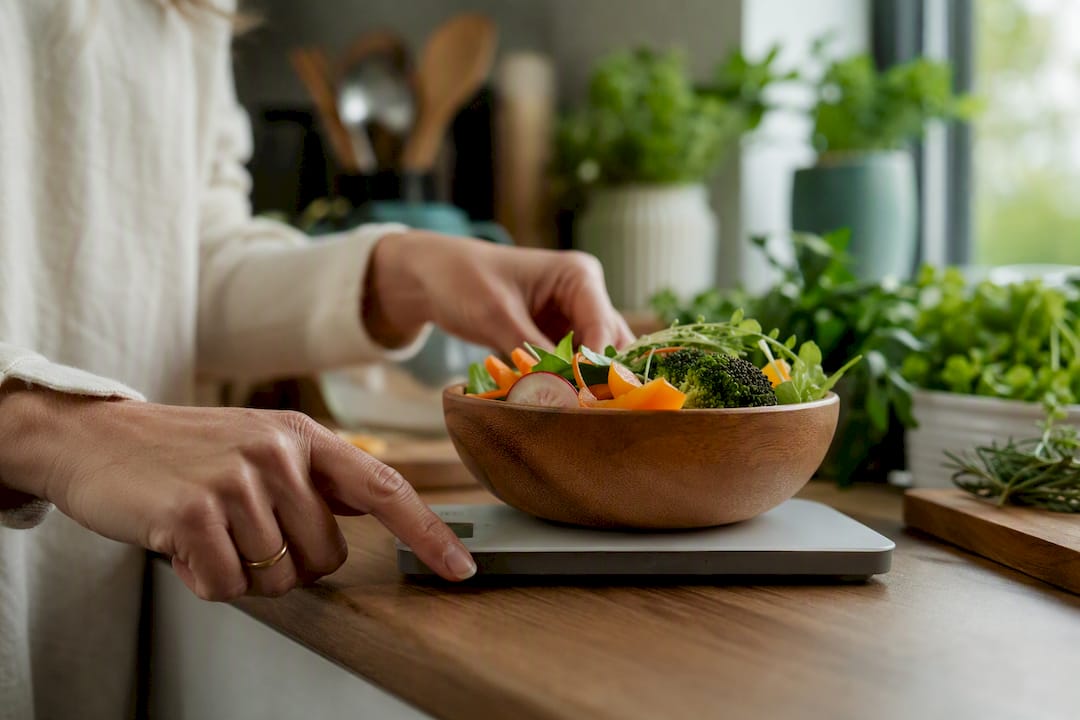
Intuitive eating rarely clicks overnight. Most clients need “training wheels,” basic portion awareness and scheduled check-ins, to tell physical hunger apart from stress or boredom. That’s where structured coaching earns its place: it turns a good philosophy into a daily habit your body can actually trust.
[author_bio] [client_case_study_callout]
Sources
This article is general information, not a substitute for advice from a qualified doctor. Consult a qualified healthcare professional about your own circumstances before acting on anything here.
FAQ
What are the downsides of intuitive eating?
It can involve temporary weight gain during recovery from restrictive eating, requires some nutrition knowledge to apply gentle nutrition well, and isn’t a substitute for medical nutrition therapy in conditions like diabetes.
Can you give an example of intuitive eating in practice?
A simple example is pausing mid-meal to check your fullness level rather than finishing a plate because it’s there, then stopping when satisfied instead of when the food runs out.
Is it possible to lose weight while practicing intuitive eating?
Yes, though weight loss isn’t the primary goal; some people lose weight as binge or restrict cycles ease, while longitudinal research links higher intuitive eating scores to weight stability rather than dramatic loss.
Recommended
Comments