
How to Optimize Energy with Food Choices Daily

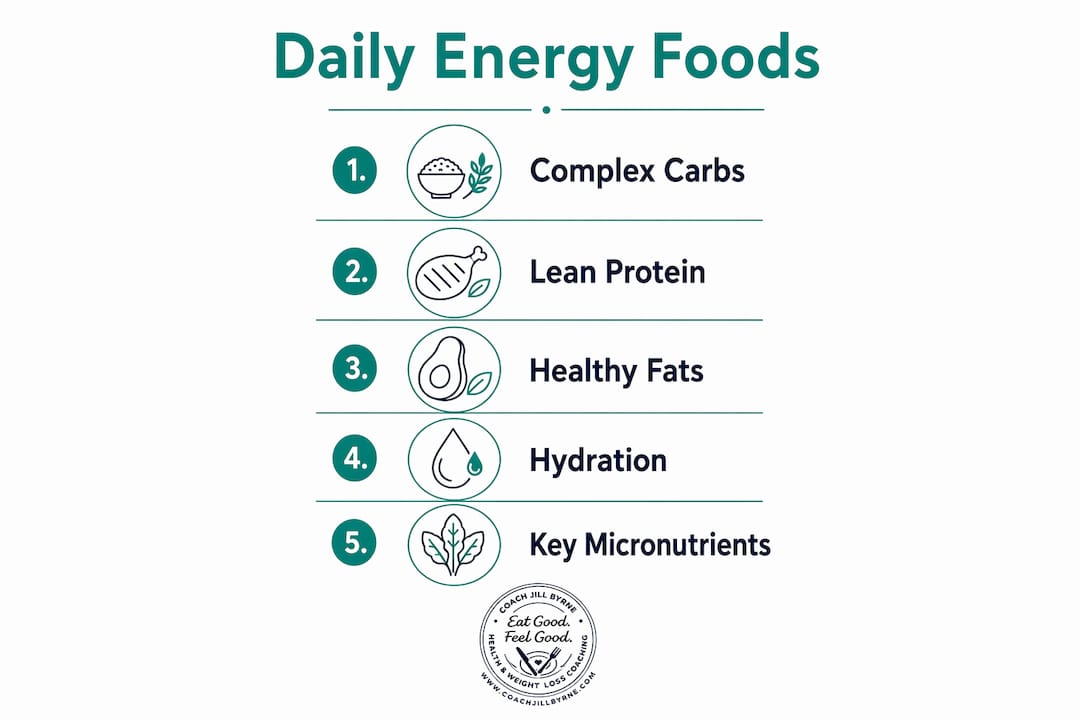
What you eat determines how well your body and brain function hour by hour. To optimize energy with food choices, eat balanced meals every 3–4 hours, combining complex carbohydrates, lean protein, and healthy fats at each sitting. Avoid refined sugars and processed foods that cause blood sugar spikes followed by crashes. Stay consistently hydrated, and prioritize foods rich in iron, B vitamins, and magnesium. No single “superfood” drives lasting energy; overall diet quality and steady nutrient intake are what actually sustain you.
Key starting points:
Eat regularly throughout the day to maintain steady glucose for brain function
Include complex carbs, lean protein, and healthy fats at every meal
Replace refined grains and sugary drinks with whole grains and water
Aim for several cups of water daily, increasing intake when you exercise
Focus on iron, B vitamins, and magnesium from whole food sources
Use portion control to prevent post-meal energy slumps
1. How complex carbohydrates support sustained energy
Complex carbohydrates are your body’s preferred fuel source, and they earn that title by releasing energy slowly and steadily. Unlike refined carbs, which flood the bloodstream quickly and then drop off, complex carbs digest gradually because of their fiber and starch content. That slow process keeps blood sugar stable and prevents the mid-afternoon crash many people blame on stress or poor sleep.
Registered dietitian Danna Raphael, RD, CDN, describes complex carbs as burning “strong and slow,” noting that they “help stabilize the blood sugar and provide a steady supply of energy.” Good sources include:
Whole grains: oats, brown rice, quinoa, millet, whole-wheat bread
Starchy vegetables: sweet potatoes, butternut squash, corn
Legumes: beans, lentils, chickpeas
Fruits with skin: apples, pears, blueberries, bananas
Refined carbohydrates, such as white bread, white pasta, and candy, deliver a short burst followed by a sharp dip. Replacing refined grains with whole-grain options and swapping sugary drinks for water breaks that crash cycle entirely.
Pro Tip: Swap your morning toast for a bowl of steel-cut oats topped with berries. You will notice a steadier energy level through late morning compared to a refined-grain breakfast.
2. Why protein keeps your energy steady longer
Protein takes longer to digest than carbohydrates, and that slower processing is exactly what makes it valuable for sustained energy. The extra digestive effort extends satiety and prevents the blood sugar dips that trigger fatigue and cravings. Protein also supports muscle repair and tissue maintenance, both of which matter for physical stamina.
Lean protein sources to prioritize:
Skinless chicken and turkey
Fish such as salmon, cod, and sardines
Eggs (particularly rich in leucine, which supports muscle energy metabolism)
Legumes, nuts, and seeds
Plain Greek yogurt
High-fat processed meats like sausage and bacon do provide protein, but their saturated fat content forces the body to work harder during digestion, often leaving you feeling sluggish rather than fueled. Lean choices deliver the protein benefit without that trade-off. For practical guidance on balancing macronutrients across your meals, real food sources consistently outperform processed alternatives.

3. How healthy fats provide long-lasting fuel
Dietary fat is not the enemy of energy. Unsaturated fats provide concentrated, slow-burning fuel and help the body absorb fat-soluble vitamins A, D, E, and K, all of which play roles in cellular function and stamina. Fat also protects organs and supports hormone production, making it a structural necessity, not just a calorie source.
Healthy fat sources to include regularly:
Avocados
Nuts: almonds, walnuts, pistachios
Seeds: chia, sunflower, pumpkin
Olive oil and canola oil
Fatty fish: salmon, mackerel, sardines
Saturated fats, found in high-fat dairy, fried foods, and processed desserts, should be limited. The NHS recommends limiting saturated fat intake to moderate levels daily for men and women. Unsaturated fats, by contrast, support energy metabolism more efficiently, partly through up-regulation of metabolic pathways that improve how the body uses fuel.

4. Hydration and the foods that drain your energy
Mild dehydration causes fatigue before you feel thirsty. When fluid levels drop, the heart works harder to circulate blood, and nutrient delivery to cells slows down. Even mild dehydration produces measurable fatigue and reduced physical performance. Harvard Health recommends drinking water before and after exercise, and every 15–30 minutes during workouts lasting longer than 30 minutes.
Common energy zappers to reduce or avoid:
Sugary sodas and sweetened energy drinks: they cause a brief buzz followed by a hard crash
Refined starches: white bread, white rice, and white pasta spike insulin and then drop energy
Excessive caffeine: helpful in moderation, but consuming it after 2:00 PM (or noon for sensitive individuals) disrupts sleep and compounds fatigue the next day
Alcohol: slows neuron activity, has a sedative effect, and depletes key nutrients the body needs for energy production
Water is the most reliable energy drink available. Foods with high water content, including cucumbers, watermelon, strawberries, and cauliflower, also contribute to daily fluid intake.
Pro Tip: Keep a reusable water bottle at your desk and set a reminder to drink every hour. Consistent small sips throughout the day prevent the gradual dehydration that masquerades as afternoon fatigue.
5. Key micronutrients that prevent fatigue: iron, B vitamins, and magnesium
Three micronutrients have an outsized effect on energy metabolism: iron, B vitamins, and magnesium. Iron supports oxygen transport in the blood; without adequate iron, cells receive less oxygen and fatigue sets in quickly. B vitamins, particularly B6, B12, and folate, help convert food into usable energy at the cellular level. Magnesium is critical for ATP production, the process by which cells generate and store energy, and it also supports muscle function.
Food sources for each:
Iron: lean beef, beans, lentils, spinach, sesame seeds. Pair with vitamin C sources like citrus, strawberries, or peppers to enhance absorption
B vitamins: eggs, lean meats, leafy greens, legumes, fortified whole grains
Magnesium: nuts, seeds, leafy greens, legumes, whole grains
Iron-rich lean beef and leucine-containing eggs both support steady energy through oxygen transport and blood sugar stabilization. Whole food sources provide the nutrient synergy that isolated supplements cannot replicate. Taking extra B12 or iron without a diagnosed deficiency does not increase energy and may actually disrupt metabolism.
6. A practical daily meal plan for steady energy
Spacing meals and snacks every 3–4 hours maintains constant glucose availability for the brain, which has minimal energy storage of its own. Eating every three to four hours prevents the low blood sugar that causes fatigue, difficulty concentrating, and poor food choices later in the day.
Meal | Example | Key nutrients |
Breakfast | Steel-cut oats with walnuts, berries, and a boiled egg | Complex carbs, protein, healthy fat, iron |
Morning snack | Apple with a tablespoon of natural almond butter | Fiber, healthy fat, protein |
Lunch | Whole-grain wrap with grilled chicken, avocado, and spinach | Complex carbs, lean protein, healthy fat, iron |
Afternoon snack | Plain Greek yogurt with chia seeds and fresh berries | Protein, healthy fat, B vitamins |
Dinner | Baked salmon with brown rice and roasted broccoli | Lean protein, complex carbs, magnesium, B vitamins |
Additional guidelines for the plan:
Drink water with every meal and snack
Keep portions moderate; a large lunch tends to cause a pronounced afternoon slump
Prepare snacks in advance to avoid reaching for processed options when hunger hits
7. Habit-based coaching for consistent energy through food
Sustainable energy does not come from willpower alone. It comes from building consistent eating habits that remove the decision fatigue of figuring out what to eat when you are already tired. Eating every 3–4 hours maintains steady glucose for brain function, and eating to about a level 6 on a 0–10 satiety scale (comfortably full, not stuffed) prevents the blood flow diversion to digestion that causes post-meal sluggishness.
Practical habits that support steady energy:
Plan meals and snacks the night before to avoid reactive, low-quality choices
Focus on what a food does for your body rather than labeling it “good” or “bad.” Nutrition experts at HSS discourage food labeling because it creates guilt-driven stress that worsens fatigue
Avoid reaching for supplements to compensate for poor eating patterns; whole foods provide the nutrient synergy that isolated supplements cannot match
Build in accountability through structured support, whether that is a food journal, a meal prep routine, or personalized coaching
Coachjillbyrne’s approach centers on exactly this kind of habit-based, real food nutrition. Rather than prescribing restrictive rules, the coaching model builds practical routines around regaining energy through food that fit into everyday life.
Pro Tip: Treat your afternoon snack as a scheduled appointment, not an optional add-on. Skipping it often leads to overeating at dinner and the fatigue that follows a large evening meal.
8. How meal timing and intermittent fasting affect your energy
When you eat matters almost as much as what you eat. Research shows that the thermic effect of food (the energy your body uses to digest a meal) is higher in the morning and lower in the evening, meaning your body processes breakfast more efficiently than a late-night meal. Eating a larger proportion of calories earlier in the day aligns with this natural metabolic rhythm and tends to support steadier energy.
Intermittent fasting, which typically involves restricting eating to a defined window such as 8–10 hours, has gained popularity as an energy management strategy. For some people, it simplifies meal planning and reduces late-night eating. The trade-off is that going too long without food can cause low blood sugar, reduced concentration, and irritability, particularly for those whose brains are sensitive to glucose dips. The Academy of Nutrition and Dietetics consistently recommends eating every 3–4 hours as the most reliable approach for sustained mental and physical energy throughout the day.
If you do practice time-restricted eating, prioritize nutrient-dense meals within your window and avoid compressing calories into one or two very large sittings, which can cause the post-meal fatigue that undermines the strategy’s benefits.
9. How the glycemic index helps you choose better energy foods
The glycemic index (GI) ranks foods by how quickly they raise blood sugar. High-GI foods like white bread, sugary cereals, and sports drinks cause rapid spikes followed by sharp drops in blood sugar, producing the familiar energy crash. Low-GI foods, including most vegetables, legumes, whole grains, and fruits with skin, release glucose gradually and support a steadier energy curve.
Glycemic load (GL) refines this further by accounting for portion size. A food can have a moderate GI but a low GL when eaten in a typical serving, which is why context matters. Watermelon, for example, has a high GI but a low GL in a normal portion.
Practical application is straightforward. Build meals around low-to-moderate GI foods as the base, add protein and healthy fat to slow digestion further, and reserve high-GI foods for situations where a quick energy boost is genuinely needed, such as immediately before or during prolonged physical activity. This approach, supported by clean eating swaps that replace refined grains with whole-grain alternatives, consistently produces more stable energy across the day.
Key Takeaways
Eating balanced meals every 3–4 hours, built around complex carbohydrates, lean protein, and healthy fats, is the most reliable way to sustain physical and mental energy throughout the day.
Point | Details |
Eat every 3–4 hours | Regular meals and snacks maintain steady brain glucose and prevent fatigue-causing blood sugar dips. |
Prioritize complex carbs | Whole grains, legumes, and vegetables with skin release energy slowly and stabilize blood sugar. |
Use the satiety scale | Eating to about a level 6 out of 10 prevents post-meal sluggishness from overeating. |
Target key micronutrients | Iron, B vitamins, and magnesium from whole foods support cellular energy production and oxygen transport. |
Limit energy zappers | Refined sugars, excessive caffeine, alcohol, and processed foods disrupt energy balance and worsen fatigue. |
FAQ
What should you eat to sustain energy all day?
Eat balanced meals every 3–4 hours that combine complex carbohydrates, lean protein, and healthy fats. Whole grains, legumes, eggs, leafy greens, nuts, and fatty fish are among the most reliable energy-sustaining foods.
What are five foods that fight fatigue?
Steel-cut oats, eggs, lentils, salmon, and spinach consistently appear in evidence-based guidance for fighting fatigue. They supply complex carbs, leucine, iron, B vitamins, and magnesium, the core nutrients for cellular energy production.
Does caffeine actually boost energy, or does it cause crashes?
Caffeine increases alertness in the short term, but consuming it in large amounts or after 2:00 PM can disrupt sleep and compound fatigue the following day. Moderate, well-timed caffeine use supports energy; relying on it as a primary fuel source does not.
What is the glycemic index and why does it matter for energy?
The glycemic index ranks foods by how quickly they raise blood sugar. Low-GI foods like whole grains and legumes release glucose gradually, supporting steady energy, while high-GI foods like white bread cause rapid spikes followed by energy crashes.
Do energy supplements actually work?
Taking extra B12 or iron without a diagnosed deficiency does not increase energy and may disrupt metabolism. Whole foods provide the complex nutrient synergy that isolated supplements cannot replicate.
Recommended
Comments