
Does the Plate Method Actually Work for Weight Loss?
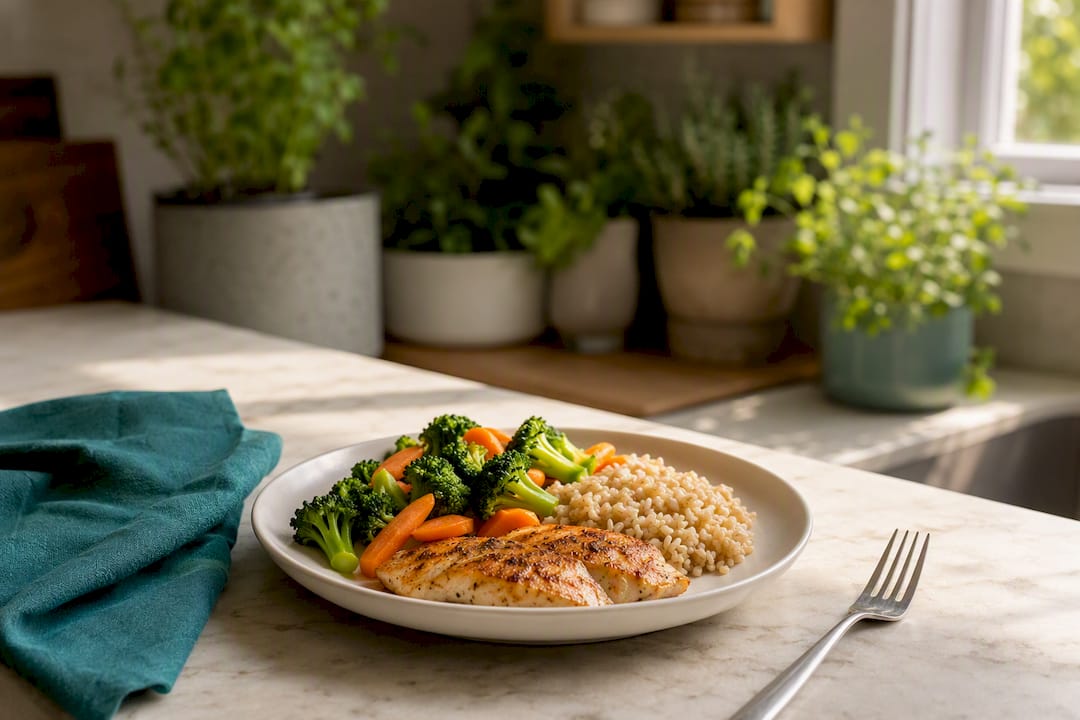
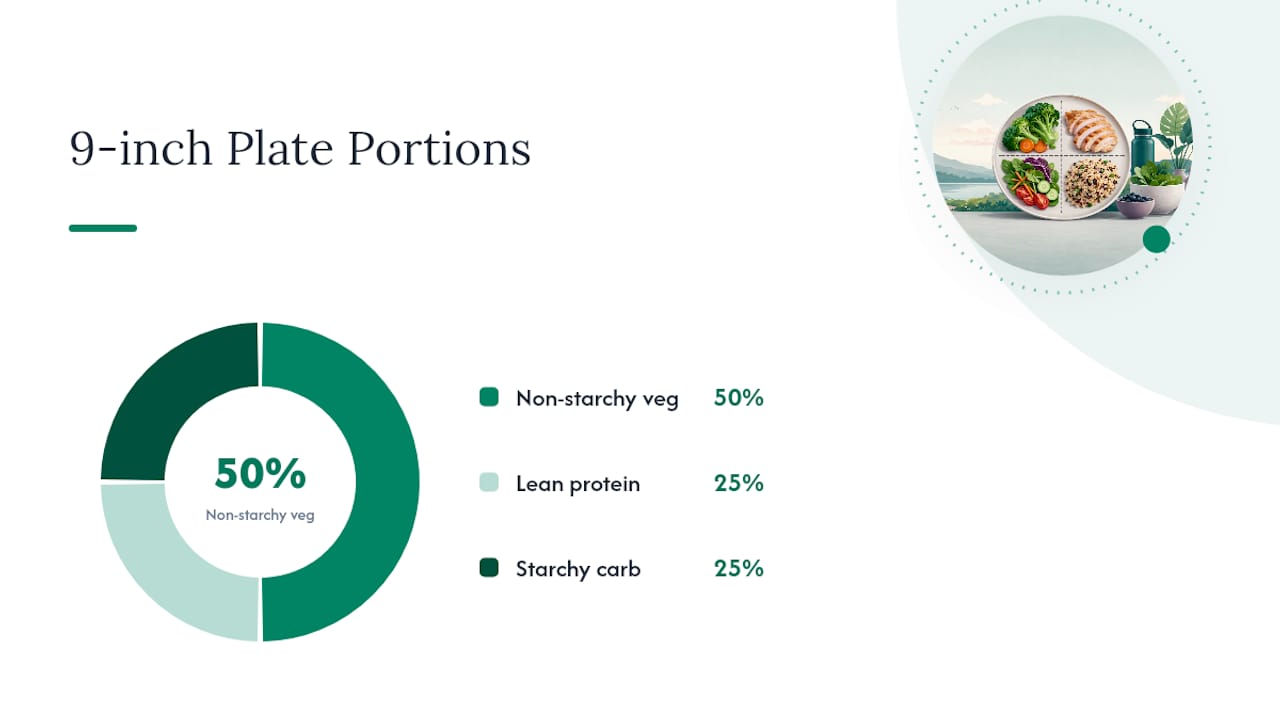
Yes. Used consistently and paired with a modest calorie reduction, the plate method is one of the simplest, most effective tools for sustainable weight loss. No app, no scale, no log required. The rule: fill half your plate with non-starchy vegetables, one quarter with lean protein, and one quarter with a starchy carbohydrate or whole grain, all on a standard 9-inch plate.
Tonight’s action is simple:
Grab a 9-inch plate (not the oversized 11 or 12-inch dinnerware most kitchens default to)
Divide it mentally into four sections: two for vegetables, one for protein, one for starch
Build your next meal around that template before you decide what to eat
Key Takeaways
The plate method works for weight loss because it reduces portions visually without requiring calorie counting, and it works best paired with ongoing accountability.
Point | Details |
Use the 9-inch benchmark | A standard 9-inch plate keeps the ½-¼-¼ ratio accurate without measuring cups. |
Vegetables drive volume | Fill half with non-starchy vegetables like broccoli or spinach for fiber and fullness at low calorie cost. |
Protein and starch stay portioned | Use a palm-sized protein (3 to 4 oz) and fist-sized starch (about 1 cup) each quarter. |
Hidden calories undo the ratio | Sugary drinks, heavy dressing, and unmeasured oil can quietly cancel the plate’s benefits. |
Coaching extends the results | Coachjillbyrne personalizes portion targets and adds accountability, especially useful for GLP-1 users or stalled progress. |
Table of Contents
What Is the Plate Method for Weight Loss?
The plate method is a visual portion-control system that replaces calorie counting with a simple ratio. Half the plate holds non-starchy vegetables, a quarter holds lean protein, and the final quarter holds a starchy carb or whole grain, a structure endorsed by Harvard’s Healthy Eating Plate and echoed in CDC diabetes meal planning guidance.
In practical terms, that breaks down to:
Vegetables: a portion of non-starchy vegetables such as broccoli, spinach, peppers, or zucchini
Protein: an amount about the size of your palm, from chicken, fish, tofu, or eggs
Starch: a portion roughly the size of your fist, of rice, whole grains, or starchy vegetables like potatoes or corn
Pro Tip: Potatoes and corn count as starches, not non-starchy vegetables, because of their higher glycemic impact. Save them for the starch quarter, not the veggie half.
The UCSF Health plate method guide uses the exact 9-inch benchmark and palm/fist measures above, precisely because most people can eyeball them without a food scale.
How Does the Plate Method Support Weight Loss?
Three mechanisms drive the results. Visual portion cues stop the plate-size creep that leads people to unconsciously eat more than they need. Loading half the plate with vegetables adds volume and fiber for very few calories, which fills the stomach before the calorie-dense foods show up. Palm-sized protein supports satiety and helps preserve lean mass during a calorie deficit, something restrictive diets often sacrifice.
The evidence backs this up, with caveats. A scoping review of portion-control plates found they consistently improved portion selection and produced short-term weight loss, especially when paired with:
Nutrition counseling or education
Regular check-ins or accountability
Broader lifestyle coaching rather than the plate alone
The same review noted that effects at six months were mixed, and gains often faded once the multi-component support ended. The plate method works best as a habit-building tool inside a bigger structure, not a standalone fix. Hidden calories, oils, sauces, and drinks, can quietly erase its benefits even when the ratios look perfect.
How Do You Use the Plate Method for Everyday Meals?
Building the habit takes about a week of conscious repetition before it becomes automatic. Here’s the process:
Start with the dish, not the food. Use a 9-inch plate. If your dinnerware runs larger, use a salad plate instead of eyeballing quarters on a platter.
Translate the ratio to bowls and soups. For grain bowls, tacos, or stir-fries, apply the same ½-¼-¼ split by volume rather than relying on plate shape, an approach Harvard’s Nutrition Source confirms works just as well for mixed dishes.
Fill the vegetable half first. Mix colors and textures, raw spinach, roasted peppers, steamed green beans, to keep it from feeling repetitive.
Measure protein with your palm. Quick swaps that hit the same 3 to 4 ounce mark: two eggs, a cup of cooked beans, 4 ounces of firm tofu, or a standard chicken breast half.
Use your fist for starch. Roughly 1 cup of brown rice, quinoa, whole wheat pasta, or sweet potato fits the quarter.
Add a plus-one. A drizzle of olive oil, a handful of nuts, or fresh herbs adds flavor and healthy fat, which improves satisfaction and lowers the odds of raiding the pantry an hour later.
Try to eat on a consistent schedule, three main meals with the same ratio, rather than skipping meals and overcompensating later. Consistency, not perfection, is what makes the ratio stick.
What Do Plate-Method Meals Actually Look Like?
Seeing the ratio in real food makes it easier to replicate. A few dinner-plate blueprints:
Grilled chicken plate: half roasted broccoli and bell peppers, quarter grilled chicken breast, quarter quinoa
Salmon plate: half sautéed spinach and asparagus, quarter baked salmon, quarter roasted potatoes
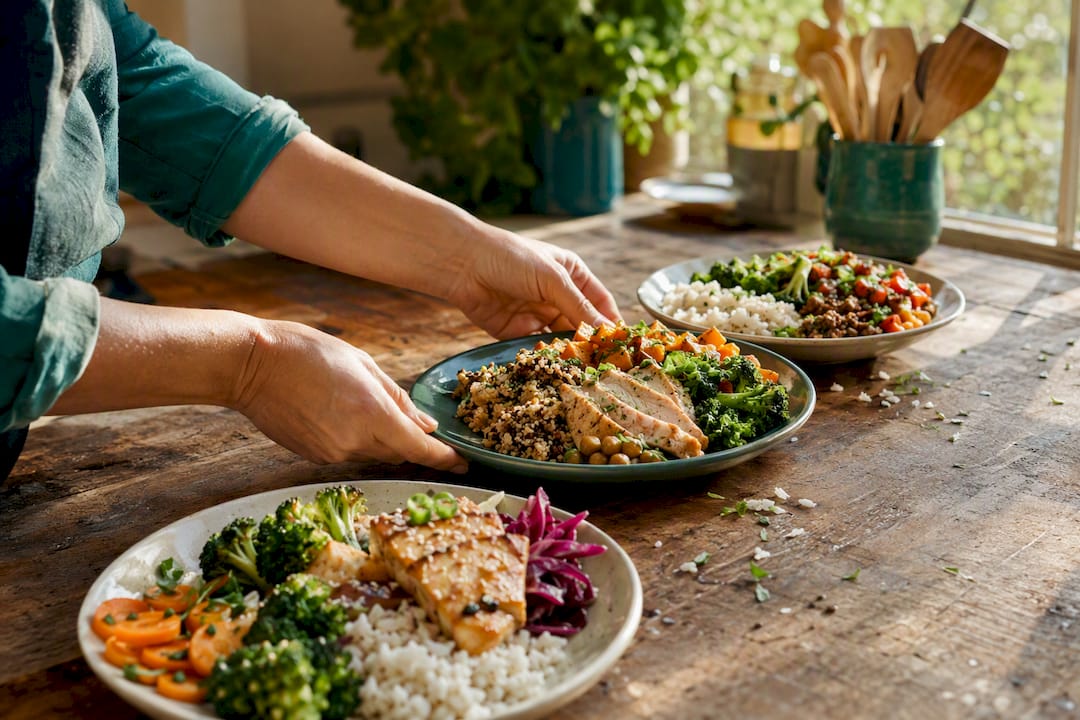
Vegetarian plate: half mixed roasted vegetables, quarter baked tofu or high-protein lentil dish, quarter brown rice
For lunch on the go, a mason jar salad or grain bowl works the same math: greens and chopped vegetables on the bottom half, a protein like rotisserie chicken or chickpeas in one quarter, farro or rice in the last. Snacks follow the same protein-plus-produce logic in miniature: apple slices with peanut butter, or cucumber with hummus and a hard-boiled egg. Our guide on practical sustainable weight loss foods walks through more combinations that fit this exact structure.
What Mistakes Cancel Out the Plate Method’s Benefits?
The ratios can look flawless while the calorie count quietly climbs. Watch for:
Sugary drinks, soda, sweetened coffee, juice, added alongside a “perfect” plate
Salad dressing poured freely instead of measured, easily adding 150 to 200 calories
Cooking oil used liberally rather than measured with a spoon
Processed sides, like garlic bread or creamy casseroles, sneaking into the starch quarter
If weight loss stalls despite following the ratios, check three things first: snacking between meals, whether portions have quietly grown back to the old plate size, and whether protein and healthy fat are adequate to control hunger. When eating out complicates the math, our restaurant plate method guide has specific tactics.
When Should You Combine the Plate Method With Coaching or Medical Support?
The plate method handles portion structure. It doesn’t address appetite changes from medication, complex medical conditions, or the accountability gap that causes most self-directed plans to fade after a few months. Professional input matters most when:
You have type 2 diabetes and need portions calibrated to blood sugar response, not just calories
You’re managing a large weight-loss goal where plateaus are likely and need adjustment
You’re on a GLP-1 medication, where appetite suppression can make hitting even modest portions difficult, or create nutrient gaps if intake drops too low
Coaching personalizes the ratios themselves, some clients need more protein, others need portion sizes scaled to activity level or age, and adds the regular check-ins that the research consistently shows extend results past the six-month mark. A typical engagement starts with an assessment of current eating patterns, moves into a sample plate plan tailored to the client’s goals and any medication considerations, then continues with weekly accountability to adjust as progress (or plateaus) show up.
A Simple Two-Week Experiment Worth Running
Sustainable change rarely comes from overhauling everything at once. It comes from repeating a handful of meals until they stop requiring willpower. Pick three go-to plates, one breakfast, one lunch, one dinner, and repeat them for two weeks. Track your weekly weight average alongside simple notes on hunger and energy. That’s enough data to know if the ratio is working before you fine-tune anything.
Get a Plate That’s Actually Built for Your Goals
The plate method gives you a template. It doesn’t tell you whether your protein target should be higher because you’re active, lower because you’re managing a GLP-1 medication’s appetite effects, or adjusted because six weeks in, your weight loss has stalled. That’s where generic advice runs out and personalization starts.

Coachjillbyrne builds on the plate method with individualized coaching: portion targets calibrated to your body and goals, meal planning that fits your actual schedule, and weekly accountability so the plan adjusts before you lose momentum rather than after. For clients using GLP-1 medications, that includes nutrition guidance specific to appetite changes and the risk of under-eating. A first step typically starts with an assessment of your current eating patterns and a sample plate plan built around your goals. If you’re ready to see what that looks like for you, book a consultation with Coach Jill and get a plan built around your plate, not a generic template.
Sources
This article is general information, not a substitute for advice from a qualified doctor. Consult a qualified healthcare professional about your own circumstances before acting on anything here.
FAQ
Does the Plate Method Work for Weight Loss?
Yes, when used consistently and combined with a modest calorie deficit. Research shows portion-control plates improve short-term weight loss, though results hold best with ongoing support rather than the plate alone.
What Should I Eat First on MyPlate?
MyPlate doesn’t prescribe an eating order, but starting with vegetables tends to help with fullness before moving to protein and grains. The MyPlate tool can help personalize portions to your calorie needs.
What Is the 9-Inch Plate Method for Healthy Eating?
It’s a visual portion guide using a standard 9-inch plate divided into half non-starchy vegetables, one quarter lean protein, and one quarter starchy carbohydrate or whole grain. UCSF Health’s guidance uses this exact benchmark for meal planning.
Is There a Specific “Tiffany Plate” Diet Plan?
There’s no established or clinically recognized “Tiffany plate diet plan.” Readers looking for a similarly structured approach should follow the standard plate method outlined here, or work with a coach like Coachjillbyrne for a plan matched to individual goals.
Recommended
Comments