
PMS Cravings Control: Science-Backed Ways to Stop Fighting Your Body
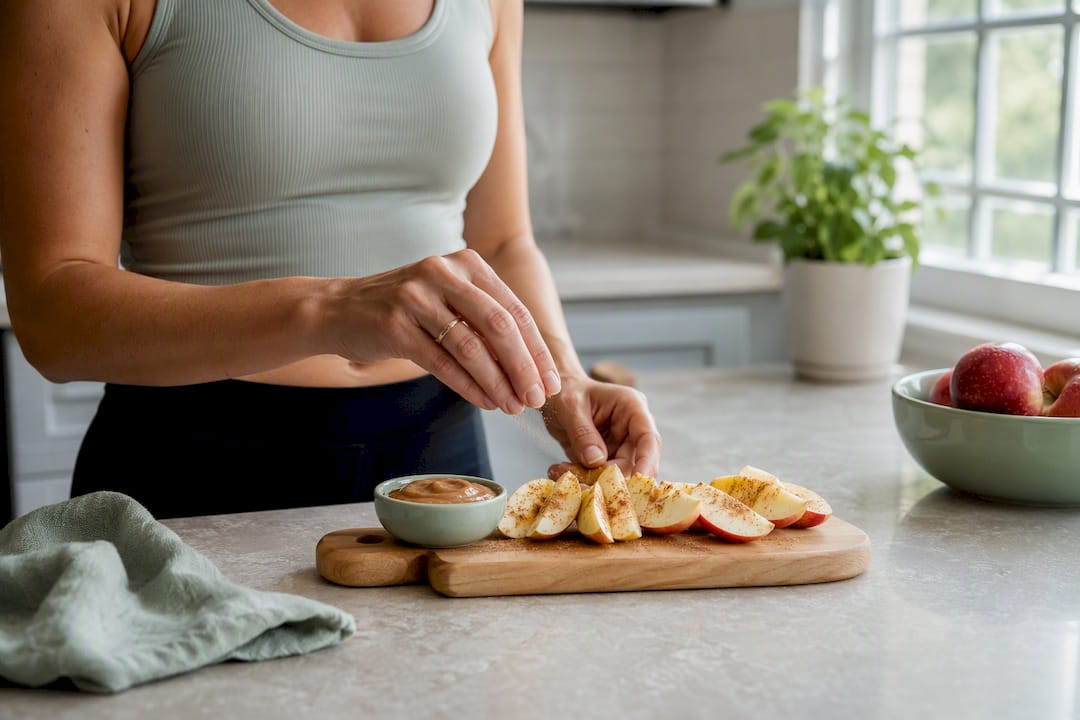
PMS cravings are biological, not a lack of willpower. The fastest way to gain PMS cravings control is steady meals built on protein and complex carbs, a planned small treat, and lifestyle supports like sleep and movement. Research on brain insulin sensitivity, guidance from the Cleveland Clinic, and daily habit coaching all point to the same fix: work with your hormones, not against them. Try this today:
Eat something with protein within an hour of waking.
Prep two grab-and-go protein snacks for the next 48 hours.
Drink a full glass of water before reaching for a snack.
Protect your sleep window tonight, even by 30 minutes.
Pick one small treat and eat it slowly, without guilt.
If cravings feel disabling rather than annoying, skip ahead to the section on when to get help.
Table of Contents
Why PMS Sugar Cravings Happen: Hormones, Serotonin, and Insulin
Cravings during the luteal phase (the one to two weeks before your period) aren’t random. As estrogen and progesterone shift, serotonin, the brain chemical tied to mood and appetite regulation, tends to drop. Lower serotonin pushes many women toward quick-hit carbs and sugar because those foods temporarily boost serotonin production.
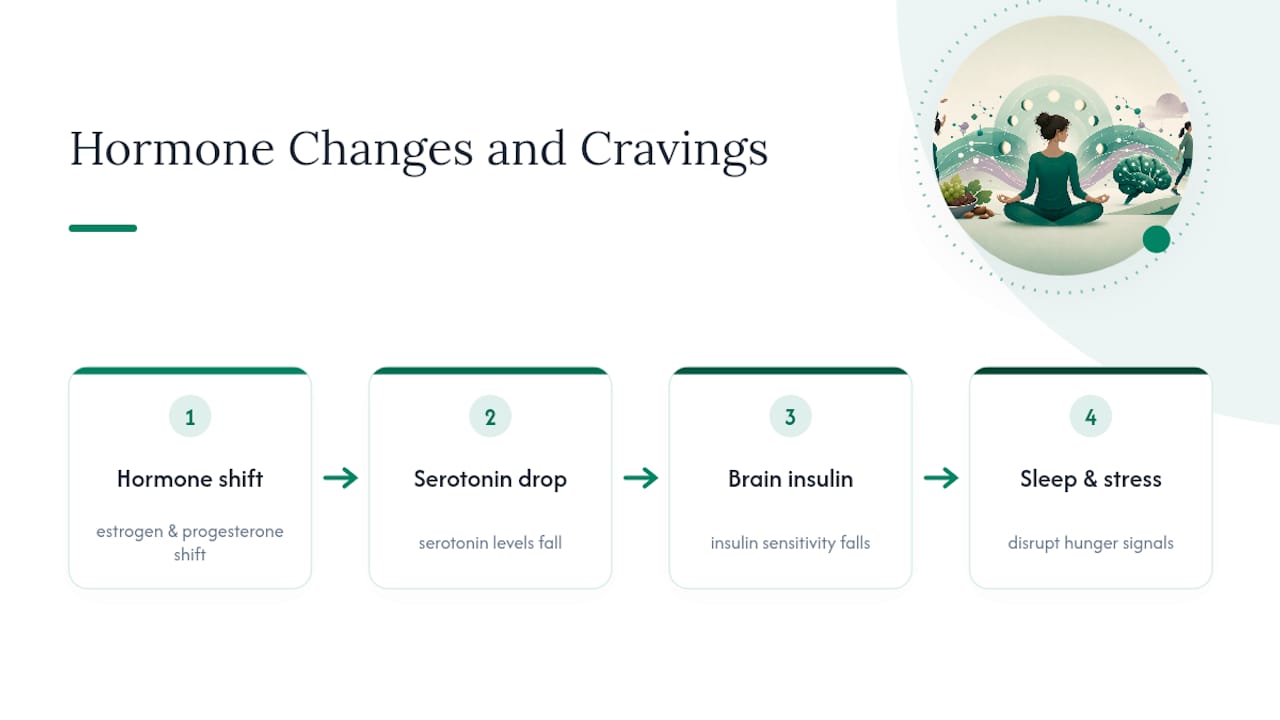
A newer piece of the puzzle involves insulin. A study published through Nature Metabolism and indexed on PubMed found that brain insulin sensitivity decreases during the luteal phase. When your brain responds less efficiently to insulin, hunger signals can intensify, which may explain why cravings spike right when your cycle already feels harder to manage.
Sleep loss and stress make this worse. Poor sleep disrupts ghrelin and leptin, the hormones that signal hunger and fullness, and stress hormones like cortisol independently push appetite upward.
None of this is in your head. Up to 70% of women who experience PMS symptoms report food cravings, and a large majority of women report at least one PMS symptom overall. Understanding the difference between true hunger and a hormone-driven craving also helps; if you’re unsure which one you’re feeling, this breakdown of hunger versus cravings can help you sort it out in the moment.
What to Eat During PMS to Curb Cravings
Meal timing matters as much as meal content. Long gaps between meals let blood sugar drop, and a sugar crash almost always triggers a craving for exactly the foods you’re trying to avoid.
Here’s a simple framework for the luteal phase:
Eat every three to four hours. Aim for three meals plus two planned snacks, or four to six smaller feedings, so blood sugar never spikes or crashes hard.
Build every meal around three parts: a complex carb (oats, sweet potato, brown rice), a protein source (eggs, chicken, Greek yogurt, tofu), and a healthy fat (avocado, olive oil, nuts).
Portion protein snacks in advance. Hard-boiled eggs, single-serving Greek yogurt cups, or hummus with cut vegetables in grab-and-go containers remove the decision fatigue that leads to reaching for whatever’s fastest.
Cap refined sugar and heavily salted snacks, or plan one small, intentional treat instead of white-knuckling total restriction.
Complex carbs deserve special mention here. They raise serotonin more gradually than simple sugars do, which means steadier mood and fewer crash-driven urges an hour later, according to Healthline’s breakdown of period cravings. If you want a deeper list of carb, protein, and fat combinations that hold energy steady, this guide to foods for sustained energy is worth bookmarking.
Pro Tip: Set a phone reminder two hours after breakfast and lunch. If you haven’t eaten by then, you’re not being disciplined by skipping, you’re setting up a crash later.
What Are the Best Snacks for PMS Cravings?
Swapping instead of restricting is the strategy dietitians consistently recommend for managing period cravings, and it tends to stick longer than cutting foods out entirely, per Cleveland Clinic’s guidance on period cravings.
Try these swaps when a craving hits:
Two squares of 70% dark chocolate instead of a candy bar, paired with a handful of almonds to blunt the sugar spike.
Fresh fruit with plain Greek yogurt instead of ice cream.
Trail mix with nuts and seeds instead of chips.
Air-popped popcorn with nutritional yeast instead of buttered movie-theater popcorn.
Magnesium-rich foods are worth prioritizing daily during this window, not just when a craving strikes. Spinach, almonds, and pumpkin seeds all fit easily into a smoothie, salad, or afternoon snack.
Two make-ahead options that hold up well: protein energy bites (oats, nut butter, and a scoop of protein powder, portioned into golf-ball sizes) and cottage cheese with berries in single-serve containers. For more ready-made ideas, these real-food snack swaps and clean eating alternatives offer a broader rotation so you’re not eating the same three things every cycle.
Can Sleep and Exercise Reduce Period Food Cravings?
Diet alone won’t fully solve PMS appetite management. Sleep, movement, and stress reduction shift the same hormones driving your cravings in the first place.
Sleep: Aim for seven to nine hours. Poor sleep disrupts ghrelin and leptin, making cravings harder to resist the next day. Keep a consistent bedtime and dim screens an hour before sleep.
Movement: A brisk 10 to 30 minute walk or 20 to 30 minutes of moderate exercise raises serotonin naturally, similar to what carb-heavy comfort foods attempt to do chemically.
Stress reduction: Five minutes of slow breathing, a short walk, or reframing a stressful thought (a CBT-style technique) can defuse emotional eating before it starts.
Sunlight: Ten to 20 minutes outdoors during daylight hours supports mood regulation, which indirectly steadies appetite.
The Cleveland Clinic lists exercise, sleep, and stress management alongside dietary changes as effective PMS symptom supports for many women, and the combination tends to outperform diet changes alone.
How to Handle a Craving Without Bingeing
Total restriction backfires. A measured portion, decided before the craving takes over, keeps you in control instead of letting the food control you.
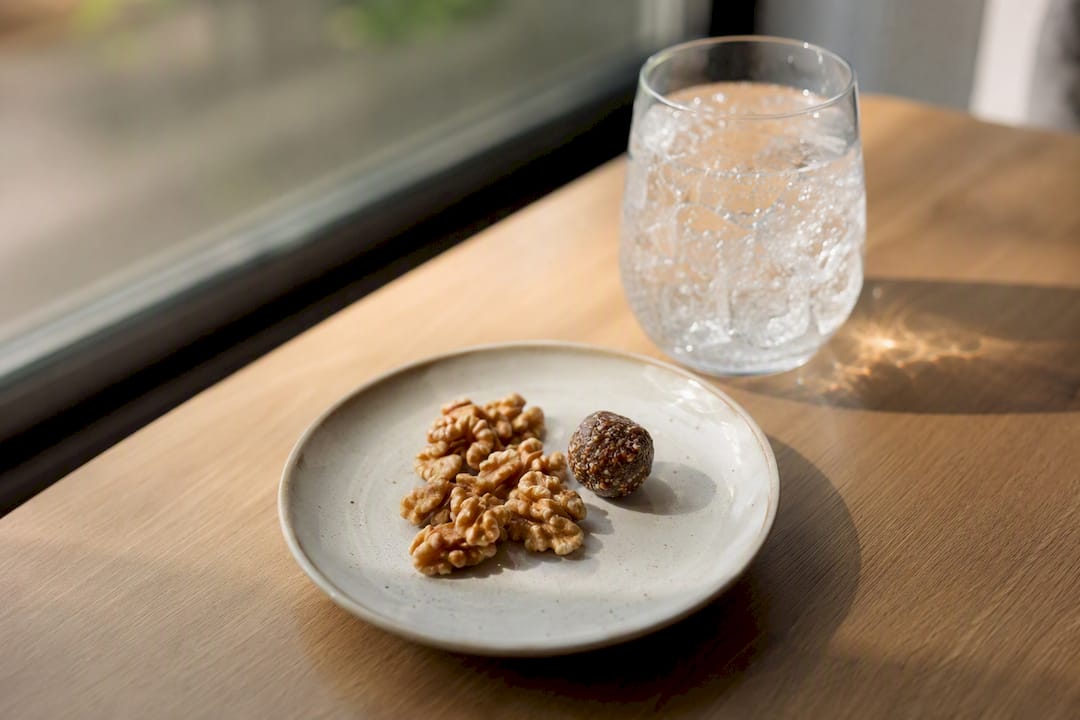
Pick your treat ahead of time and portion it out. Pair it with a glass of water or a small protein source, like a few almonds, to slow the glycemic response. Then remove distractions, eat slowly, and check in with your body halfway through: are you still enjoying it, or just finishing it out of habit?
If a treat starts to feel like it’s spiraling, have a backup ready. A short walk, a text to a friend, or a protein snack can interrupt the pattern before it turns into a binge.
Pro Tip: Keep your measured treat somewhere visible, not hidden in the back of the pantry. Hidden treats create secrecy, and secrecy tends to fuel overeating more than the food itself.
When Do PMS Cravings Signal PMDD or Something More Serious?
Most PMS cravings are manageable with food and lifestyle adjustments. But some symptoms point to premenstrual dysphoric disorder (PMDD) or another condition that needs clinical support, not just meal planning.
Watch for:
Mood swings severe enough to disrupt work, relationships, or daily function.
Binge episodes that feel completely out of your control, concentrated in the same week each cycle.
Any thoughts of self-harm or suicidal ideation, which require immediate professional attention.
Clinicians may discuss SSRIs, hormonal treatment options, cognitive behavioral therapy, or supplements like calcium and vitamin B6 under medical supervision, according to Cleveland Clinic’s PMS treatment overview. Before your appointment, track when symptoms start, how severe they get, and how they affect your ability to function. That record helps a provider distinguish PMS from PMDD faster than a verbal recap alone.
A Habit-First Starter Plan for Your Next Cycle
You don’t need a perfect diet, just a repeatable framework. For one week: eat protein at every meal, prep two snacks in advance, walk 20 minutes daily, and protect your sleep window. That’s the whole plan.
This is the same structure Coach Jill Byrne uses with coaching clients: real food, portion awareness, and accountability instead of restriction. Clients report that pre-portioned snacks and simple meal structures are often the easiest habits to sustain long term, even during a hard week.
If you want that structure built around your schedule instead of guessing week to week, Coach Jill Byrne’s coaching programs pair meal planning with the kind of accountability that makes these habits stick past the first cycle. You can also start smaller with nine proven habit-rebuilding strategies if you’d rather ease in gradually.
Managing PMS Food Cravings Comes Down to Working With Your Biology
PMS cravings respond best to steady meals, planned treats, and consistent sleep and movement, not to willpower or strict food rules.
Point | Details |
Cravings are hormonal | Falling serotonin and reduced brain insulin sensitivity in the luteal phase drive hunger, not weak willpower. |
Eat on a schedule | Three meals plus two snacks, each combining protein, complex carbs, and healthy fat, prevents blood sugar crashes. |
Prep snacks in advance | Single-serve protein snacks remove decision fatigue during the week cravings hit hardest. |
Plan the treat, don’t ban it | A measured portion paired with protein or water prevents the restrict-binge cycle. |
Know the red flags | Severe mood disruption or loss of control around food may signal PMDD and warrants a clinician visit. |
Sources
This article is general information, not a substitute for advice from a qualified doctor. Consult a qualified healthcare professional about your own circumstances before acting on anything here.
FAQ
What Can I Do to Stop Cravings During PMS?
Eat balanced meals every three to four hours, keep protein-rich snacks prepped, stay hydrated, protect your sleep, and allow yourself a small measured treat instead of restricting entirely.
What Is the Difference Between PMDD and PMS?
PMS involves common physical and emotional symptoms before menstruation, while PMDD is a more severe form marked by disabling mood symptoms that significantly disrupt daily life and often requires medical treatment.
Can PMDD Cause Rage?
Yes. Intense irritability and anger are recognized symptoms of PMDD, and when these feelings interfere with relationships or work, it’s worth discussing treatment options like SSRIs or therapy with a clinician.
What Could Be Causing Extreme Sadness Before My Period?
Hormone shifts in the luteal phase can lower serotonin and trigger mood changes, but extreme or persistent sadness may point to PMDD, which benefits from professional evaluation rather than lifestyle changes alone.
Recommended
Comments