
Portion Control Tips for Weight Loss: A Practical Guide
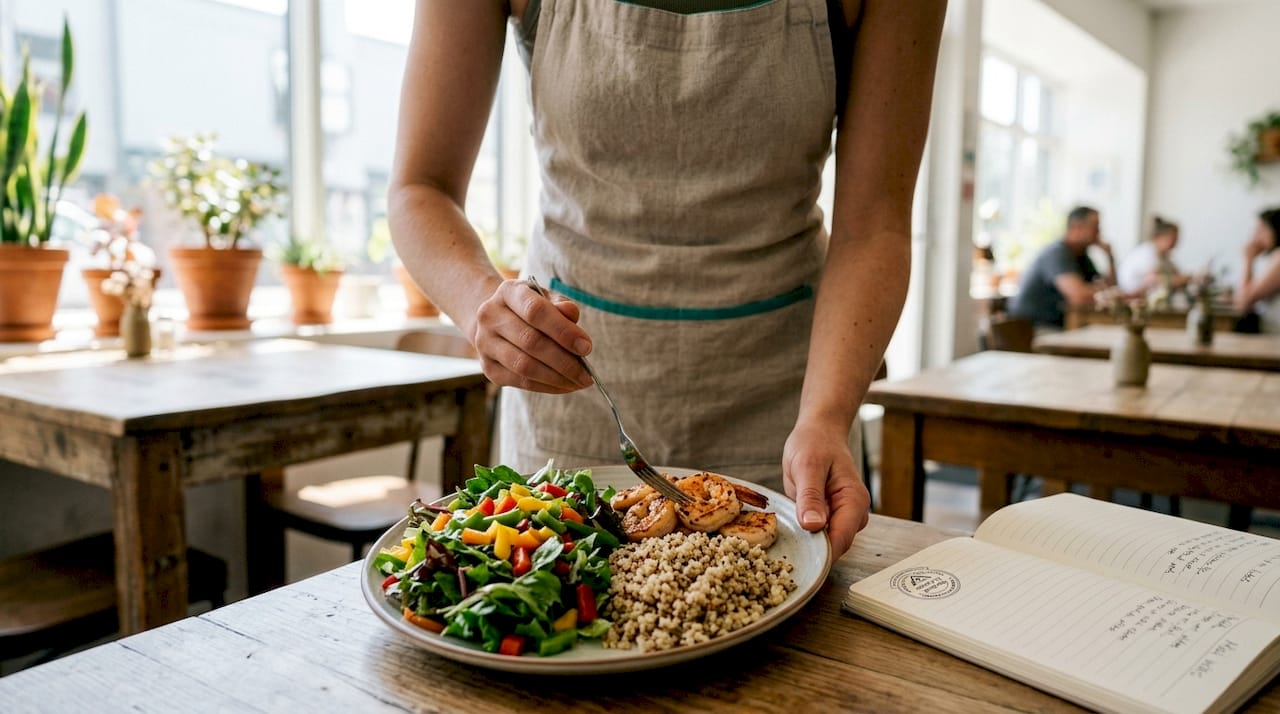
Portion control is defined as the mindful regulation of meal and snack sizes to reduce calorie intake without tracking every bite. It is the most practical and evidence-backed method for weight loss without calorie counting or complex tracking apps. Eating larger portions increases calorie intake by about 35%, which means the reverse is equally true: smaller, well-structured portions directly reduce how much energy you consume each day. The CDC and the American Diabetes Association both endorse structured portion frameworks as effective tools for managing weight and blood sugar. For busy individuals who want real results without obsessing over numbers, portion control delivers a clear, repeatable system that fits into everyday life.
1. What are the best portion control tips for weight loss?
The most effective portion control tips for weight loss work because they reduce calorie intake naturally, improve satiety, and require no math. Portion control produces weight loss outcomes comparable to formal calorie counting but achieves higher long-term adherence due to lower mental burden. That means you are more likely to stick with it. The strategies below cover visual frameworks, hand-based measuring, environmental design, and food quality, giving you a complete system for managing portions in real life.
2. Use the Plate Method as your visual framework
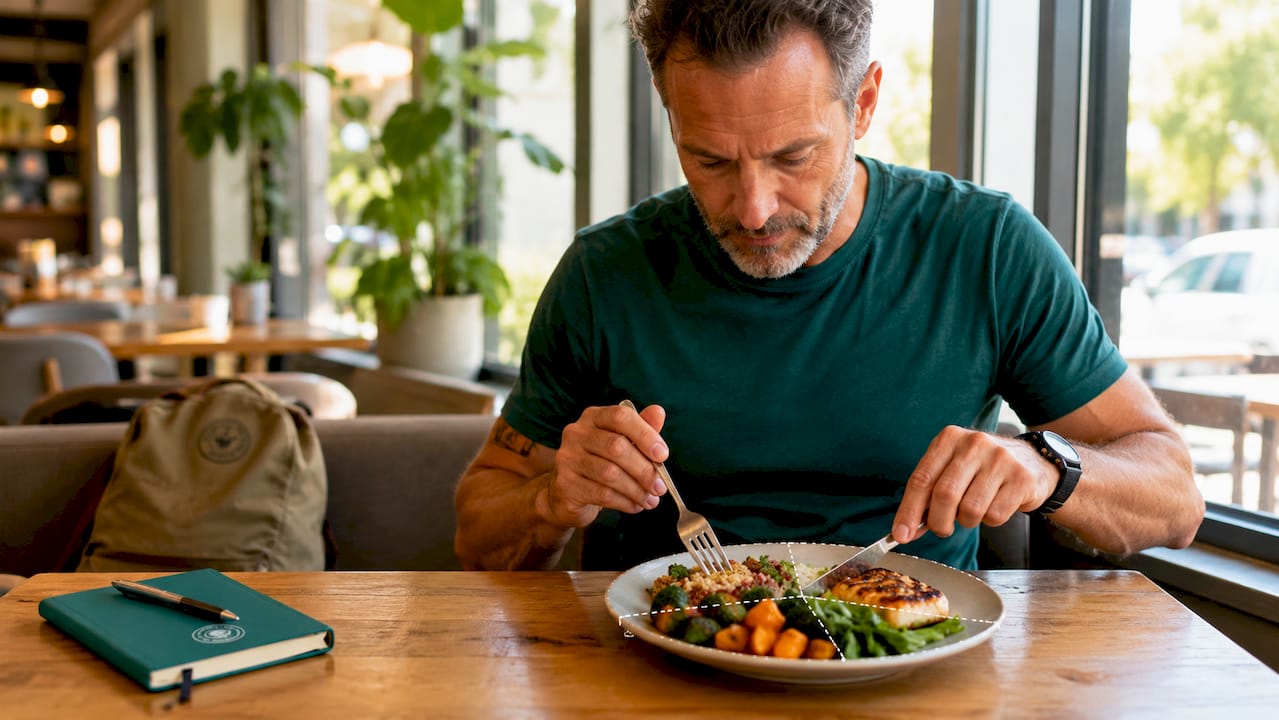
The Plate Method is the simplest, evidence-based framework for portion control without calorie counting. Endorsed by the CDC and the American Diabetes Association, it divides your plate into three sections: half nonstarchy vegetables, one quarter lean protein, and one quarter whole grains or starches. This structure automatically reduces calorie intake while improving nutrient balance and glucose regulation.
Here is how each section works in practice:
Half the plate: nonstarchy vegetables. Think spinach, broccoli, zucchini, bell peppers, or cucumber. These foods add volume and fiber without adding significant calories.
One quarter: lean protein. Chicken breast, fish, eggs, tofu, or legumes. Protein drives satiety and protects muscle during weight loss.
One quarter: whole grains or starches. Brown rice, quinoa, sweet potato, or whole-grain pasta. These provide sustained energy without spiking blood sugar sharply.
The Plate Method works equally well at home and in restaurants. At a restaurant, mentally divide your plate before eating and set aside anything that does not fit the framework. You do not need a special plate or measuring cup.
Pro Tip: Front-load your meal with the vegetable section first. Starting with vegetables reduces subsequent intake and helps you feel full before reaching the higher-calorie portions of your plate.
3. Use your hand as a built-in portion guide
Your hand is proportional to your body size and metabolic needs, making it a reliable measuring tool you always have with you. The hand-measurement method resets misperceptions about portion sizes by providing a body-scaled reference that requires no equipment. This approach is especially useful when traveling, eating out, or cooking without a food scale.
The standard hand-based equivalents are:
Palm = one serving of protein (chicken, fish, meat, tofu)
Closed fist = one serving of carbohydrates (rice, pasta, fruit)
Thumb = one serving of fats (nut butter, oil, cheese)
Cupped hand = one serving of nuts or seeds
The most common mistake with this method is using a relaxed, spread hand instead of a firm palm or closed fist. That small difference can double your estimated portion. Recalibrate periodically by comparing your hand estimates against a measured serving to keep your eye accurate.
Pro Tip: Combine the hand method with the Plate Method for maximum flexibility. Use the Plate Method at home for structure, and switch to hand measurements when you are eating away from your kitchen.
4. Redesign your environment to reduce overeating
Environmental design is more impactful than willpower alone for portion control success. The food environment you create at home and at the table shapes how much you eat before your brain even registers hunger or fullness. Small physical changes produce consistent results without requiring daily discipline.
Key environmental strategies include:
Use smaller plates and bowls. Smaller plates reduce food intake by up to 30% by creating the visual illusion of a full serving. Research from the Journal of Consumer Research confirms this effect.
Pre-portion your snacks. Eating directly from packages leads to mindless overeating. Divide snacks into single-serving containers before you feel hungry.
Remove serving bowls from the table. Plate your food at the stove and leave the pot in the kitchen. Seconds become a deliberate choice rather than an automatic reflex.
Slow down your eating pace. Eating mindfully and reducing distractions helps the brain register fullness signals, which take roughly 20 minutes to reach full strength.
Start meals with a low-calorie first course. A broth-based soup or a simple salad before your main course reduces how much you eat overall.
At restaurants, preview the portion size when the plate arrives. If it is larger than your target, box half immediately before you start eating. This removes the temptation to keep going simply because food is in front of you.
5. Prioritize protein and fiber to stay full on smaller portions
Protein and fiber are the two nutrients that most directly support fullness on reduced portions. Protein intake improves satiety and helps preserve muscle mass during weight loss, which keeps your metabolism functioning well. Without adequate protein, smaller portions often lead to rebound hunger within a few hours.
Fiber-rich vegetables, fruits, and legumes promote fullness by slowing digestion and adding physical volume to meals. Soluble fiber sources like oatmeal and chia seeds are particularly effective because they form a gel in the digestive tract, extending the feeling of fullness well past the meal. Adding a tablespoon of chia seeds to a morning smoothie or a bowl of oatmeal is a low-effort way to extend satiety for hours.
Calorie-dense foods such as nuts, oils, and processed snacks require careful portioning even when they are nutritious. A handful of almonds is healthy; three handfuls eaten absentmindedly adds several hundred calories without registering as a meal. Use the thumb or cupped-hand measurement for these foods every time.
Pro Tip: Build every meal around a protein source first, then add fiber-rich vegetables, then add a small amount of healthy fat. This sequence keeps you satisfied and prevents the energy crashes that lead to unplanned snacking.
6. Build sustainable portion habits without burning out
Sustainable portion control develops gradually. Attempting to overhaul every meal at once creates the same mental fatigue as calorie counting, which defeats the purpose. A realistic nutrition plan builds habits one meal at a time, not all at once.
A practical approach to building lasting habits:
Start with one meal. Apply the Plate Method or hand measurements to breakfast or lunch for one week before extending to other meals.
Cook at home more often. Home cooking gives you direct control over ingredients and portion sizes in a way restaurant meals never can.
Avoid portions that are too small. Overly restricted portions cause rebound hunger and bingeing, which are common weight loss mistakes that set back progress.
Recalibrate occasionally, not obsessively. Measure a serving of rice or pasta once a month to check that your visual estimates remain accurate. Daily measuring creates unnecessary stress.
Prepare meals and snacks in advance. Meal prep removes the decision fatigue that leads to oversized portions when you are tired or rushed.
Pause before second servings. Wait 10 minutes after finishing your plate. Fullness signals often catch up during that window, and the urge to eat more frequently passes.
Consistency matters far more than precision. A person who applies the Plate Method at 80% of meals will see better long-term results than someone who follows a rigid system perfectly for two weeks and then abandons it.
Key takeaways
Portion control is the most sustainable weight loss method because it reduces calorie intake naturally through structure, environmental design, and food quality rather than counting.
Point | Details |
Plate Method as foundation | Divide your plate into 50% vegetables, 25% protein, and 25% whole grains at every meal. |
Hand measurements for flexibility | Use palm, fist, and thumb as built-in guides when scales and apps are not available. |
Environment shapes intake | Smaller plates, pre-portioned snacks, and distraction-free meals reduce overeating automatically. |
Protein and fiber drive fullness | Prioritize these two nutrients to stay satisfied on smaller portions without rebound hunger. |
Consistency beats perfection | Applying portion habits at most meals over time produces better results than short-term strictness. |
What I have learned from coaching clients on portion control
Clients almost always come to me worried about hunger. They expect that eating less will mean feeling deprived, tired, and irritable. What I consistently see instead is that once they build meals around protein, fiber, and vegetables, their hunger actually decreases within a week or two. The body adapts quickly when it is getting the right nutrients in the right proportions.
The biggest mindset shift I encourage is treating portion control as a skill, not a punishment. Skills improve with practice. Your eye gets better at estimating a palm-sized portion of chicken. Your stomach recalibrates to a plate that is half vegetables. These changes happen naturally when you give them time.
Clients who struggle most are usually the ones chasing precision. They weigh every gram, feel anxious when they cannot measure, and eventually give up. The clients who succeed long-term are the ones who apply the Plate Method most of the time, use their hand when they need a quick reference, and rebuild healthy eating routines gradually rather than all at once.
Real life includes dinners out, holidays, and days when cooking does not happen. Portion control that cannot flex around real life will not last. The goal is a reliable default, not a perfect record.
— Coach Jill
Personalized support for portion control and weight loss
Knowing the right strategies is one thing. Applying them consistently in a busy life is another. Coachjillbyrne offers personalized nutrition coaching built around practical habits like the Plate Method, balanced meal planning, and sustainable portion size strategies that fit your schedule and food preferences.

Coachjillbyrne works with clients to build realistic, maintainable eating habits without restrictive dieting or obsessive tracking. Whether you are just starting out or looking to recalibrate after a setback, personalized coaching provides the structure and accountability that make portion control a lasting habit rather than a short-term effort. Reach out to learn how a customized plan can support your weight loss goals.
FAQ
What is the easiest portion control method without counting calories?
The Plate Method is the simplest approach. Fill half your plate with nonstarchy vegetables, one quarter with lean protein, and one quarter with whole grains or starches at each meal.
How much does portion size actually affect weight loss?
Portion size has a direct and significant effect on calorie intake. Reducing portions by 50% can lower daily energy intake by approximately 35%, which produces meaningful weight loss over time.
Can I practice portion control when eating out?
Yes. Preview the portion when your plate arrives, mentally apply the Plate Method, and box half the meal immediately if the serving is oversized. Starting with a salad or broth-based soup also reduces how much you eat from the main course.
Do I need a food scale to control portions effectively?
No. The hand-measurement method provides reliable portion estimates using your palm for protein, fist for carbohydrates, and thumb for fats, with no equipment required.
How long does it take to see results from portion control?
Results vary by individual, but most people notice reduced hunger and improved energy within one to two weeks of consistent practice. Weight loss outcomes become measurable over several weeks of sustained habit change.
Recommended
The practical guide on portion control, especially the idea of using "your hand as a built-in portion guide," is so smart for busy people or when traveling. It's truly easy to lose track of healthy habits when you're on the go and out of your routine. Speaking of making things simpler while traveling, managing connectivity can often be a major headache. For anyone looking for a convenient way to stay connected abroad without dealing with physical SIM cards, https://cellesim.com/ja/esim-zambia offers an excellent solution. Full disclosure, I work with Cellesim, and I find their eSIMs incredibly helpful for seamless international travel.