
Real Food Nutrition Best Practices for Lasting Health

Real food nutrition best practices are defined as eating patterns built around whole, nutrient-dense foods including quality protein, fresh vegetables and fruits, healthy fats, and whole grains, while minimizing highly processed products. The 2025-2030 Dietary Guidelines mark a clear shift away from counting isolated nutrients toward building dietary patterns centered on real food. This approach is not about perfection. It is about making better default choices, meal after meal, day after day, until those choices become your normal routine.
1. Real food nutrition best practices start with the right food groups
The foundation of any whole food nutrition plan is knowing which food groups to prioritize and how much of each to eat. The 2025-2030 Dietary Guidelines identify protein, dairy, vegetables, fruits, healthy fats, and whole grains as the core building blocks of a health-promoting diet. Nutrient density, a concept Harvard Health defines as foods high in vitamins, minerals, and fiber relative to their calorie count, is the organizing principle behind choosing these foods over processed alternatives.
Here is a practical breakdown of each group and what to aim for daily:
Food group | Daily target | Best sources |
Vegetables and fruits | 3 to 5 servings | Leafy greens, berries, cruciferous vegetables, citrus |
Protein | 1.2 to 1.6 g per kg body weight | Eggs, chicken, fish, legumes, Greek yogurt |
Healthy fats | 2 to 4 servings | Avocados, walnuts, almonds, olive oil, seeds |
Whole grains | 3 to 6 servings | Oats, brown rice, quinoa, whole wheat bread |
Dairy | 2 to 3 servings | Full-fat plain yogurt, cheese, milk without added sugars |
Protein deserves special attention. Protein intake of 1.2 to 1.6 grams per kilogram of body weight per day is now the recommended target, with both animal and plant sources counting toward that goal. Hitting this target at every meal supports satiety and steady energy, which reduces the urge to reach for processed snacks between meals.
Variety within each food group matters as much as quantity. Rotating between different colored vegetables, for example, delivers a broader spectrum of antioxidants and micronutrients than eating the same salad every day. The same logic applies to protein sources: mixing eggs, legumes, and fish across the week provides a more complete amino acid and micronutrient profile than relying on a single source.
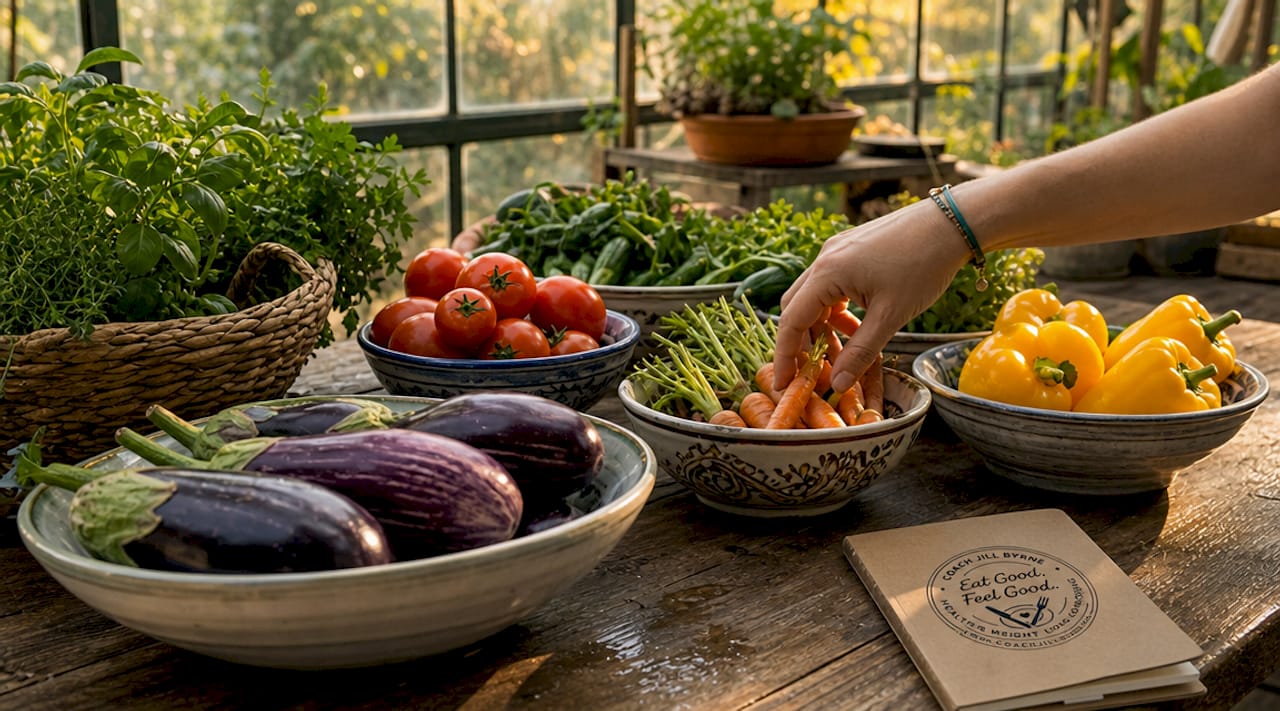
2. How to reduce reliance on highly processed foods
Limiting processed foods is one of the highest-impact changes you can make to your diet. More than 70% of sodium consumed by Americans comes from packaged and prepared foods, and excess sodium directly raises the risk of hypertension, heart attack, and stroke. Reducing packaged food purchases is, in practical terms, one of the most direct ways to lower chronic disease risk without counting a single calorie.
The distinction between minimally processed and highly processed foods is worth understanding clearly:
Minimally processed: Frozen fruits and vegetables, canned beans without added salt, plain oats, rotisserie chicken
Highly processed: Packaged snack foods, flavored chips, sugary cereals, deli meats with preservatives, fast food
The most practical strategy is to audit your habitual purchases, not your occasional indulgences. Repeat purchases and habitual food choices have a far greater impact on health than rare treats. If your weekly grocery list includes chips, sweetened beverages, and packaged meals by default, those items shape your health outcomes far more than a birthday cake once a month.
Reading labels is a concrete skill worth developing. Look for products where the ingredient list is short and recognizable. If sodium exceeds 600 mg per serving or added sugars appear in the first three ingredients, that product qualifies as highly processed by most nutritional standards. Replacing those items with whole food alternatives, such as swapping flavored crackers for rice cakes with nut butter, requires minimal effort but delivers measurable results over time.
Pro Tip: Reorganize your pantry so whole food staples like nuts, seeds, canned fish, and oats are at eye level. Visibility drives habitual choice, and what you see first is what you reach for first.
3. Sustainable meal planning for real food eating
Meal planning is the structural support that makes real food nutrition consistent rather than occasional. Cooking at home is the single most effective tool for building food agency because it makes meals tangible and gives you full control over ingredients, portions, and preparation methods. You do not need culinary expertise to cook well. You need a small set of repeatable techniques and a flexible approach to recipes.
Here is a practical framework for sustainable meal planning:
Treat recipes as templates, not rules. A flexible recipe approach means substituting available ingredients without abandoning the dish. If a recipe calls for kale and you have spinach, use spinach. If it calls for salmon and you have canned tuna, use tuna. Flexibility reduces cooking failure and increases how often you actually cook.
Prep protein in batches. Cook a large portion of chicken thighs, hard-boil a dozen eggs, or prepare a pot of lentils at the start of the week. Protein is the most time-intensive component of any meal, so having it ready removes the biggest barrier to cooking on busy evenings.
Keep emergency protein sources stocked. Yogurt, eggs, and canned fish are fast, nutrient-dense options that prevent fallback to convenience foods when time is short. A two-minute meal of Greek yogurt with walnuts and berries beats a drive-through by every nutritional measure.
Master two or three transferable cooking techniques. Pan-roasting works for vegetables, chicken, fish, and tofu. Blanching preserves color and texture in greens and can be done in under five minutes. These techniques transfer across dozens of ingredients, so learning them multiplies your cooking range without requiring new skills for every dish.
Use available tools for planning. AI-based meal planning tools and apps like Mealime or Paprika allow you to input available ingredients and generate meal ideas, reducing the mental load of deciding what to cook. This lowers the friction between intention and action.
Pro Tip: Plan one “anchor meal” per day, a meal you know you can prepare reliably in under 20 minutes. Anchor meals reduce decision fatigue and keep real food eating consistent even on the most demanding days.
For a deeper look at how realistic nutrition planning connects to weight management, Coachjillbyrne offers practical frameworks that align with these principles.
4. The role of drinks and snacks in whole food nutrition
Beverages and snacks are the two most overlooked areas of diet quality, yet they shape daily nutrition balance more than most people realize. Sugary drinks and liquid calories undermine appetite regulation and energy stability more than equivalent calories from whole food sources. A single 20-ounce sweetened beverage can contain more added sugar than the daily recommended limit, yet it registers as less filling than a piece of fruit with the same sugar content.
Healthier beverage choices that support real food nutrition include:
Water as the primary daily beverage, plain or naturally flavored with citrus or cucumber
Unsweetened coffee and tea, which provide antioxidants without added sugar
Sparkling water as a substitute for soda, particularly for those transitioning away from sweetened drinks
Plain milk or unsweetened plant-based alternatives when additional protein or calcium is needed
Snacking follows the same logic as meal planning: the goal is to replace processed defaults with nutrient-dense alternatives. Whole food snacks that satisfy without spiking blood sugar include hard-boiled eggs, apple slices with almond butter, a small handful of mixed nuts, celery with hummus, or plain yogurt with berries. These options provide protein, fiber, and healthy fats in combinations that support sustained energy rather than the brief spike-and-crash pattern of packaged snack foods.
For more ideas on swapping processed snacks for satisfying real food alternatives, Coachjillbyrne has a dedicated resource with practical substitutions.
5. Why whole grains and fiber belong in every real food plan
Whole grains are a non-negotiable component of real food nutrition, and the evidence behind them is clear. The 2025-2030 Dietary Guidelines recommend prioritizing whole grains over refined carbohydrates specifically for their role in fiber intake and blood sugar management. Refined carbohydrates like white bread, white rice, and most packaged crackers are stripped of the fiber and micronutrients that make grains nutritionally valuable.
Fiber from whole grains slows digestion, which stabilizes blood sugar and extends the feeling of fullness after a meal. Oats, quinoa, brown rice, barley, and whole wheat bread are practical options that fit into most meal patterns without requiring significant changes to cooking habits. Swapping white rice for brown rice or choosing oatmeal over a sweetened cereal are small changes that compound into meaningful health improvements over months and years.
The practical rule is straightforward: if the first ingredient on a grain product’s label is not a whole grain, the product is primarily refined. Checking that single line on a label takes three seconds and immediately improves the quality of a habitual purchase.
Key takeaways
Real food nutrition best practices work because they prioritize nutrient-dense whole foods, reduce processed food defaults, and build repeatable cooking and eating habits that sustain health over time.
Point | Details |
Prioritize nutrient-dense food groups | Build meals around quality protein, vegetables, fruits, healthy fats, and whole grains daily. |
Audit habitual purchases | Habitual food choices drive health outcomes far more than occasional indulgences. |
Reduce sodium from packaged foods | Over 70% of dietary sodium comes from packaged foods; replacing them lowers chronic disease risk. |
Cook with flexible templates | Treat recipes as adaptable guides to increase cooking frequency and reduce food waste. |
Replace sugary drinks and snacks | Swapping sweetened beverages and processed snacks for whole food alternatives improves daily nutrition balance. |
What I’ve learned from coaching real food habits every day
I have worked with clients at every starting point, from people who rarely cook to those who meal prep every Sunday but still struggle with energy and weight. The pattern I see most consistently is this: people overestimate how much they need to change and underestimate how much their daily defaults are already shaping their results.
Real food eating is not a strict protocol. It is a set of better defaults. When I help a client swap their weekday lunch from a packaged sandwich to a bowl of leftover roasted chicken and vegetables, that one change, repeated five days a week, produces more measurable progress than any elimination diet they have tried. The cooking habit itself builds confidence over time. Clients who start by learning to pan-roast a chicken thigh eventually feel capable enough to improvise full meals from whatever is in the refrigerator.
The other thing I tell every client is that highly processed food intake has quietly displaced real food in most American households, not through one dramatic decision but through years of small habitual choices. Reversing that does not require dramatic action either. It requires consistent, small improvements to what you normally eat. That is where lasting change actually lives.
— Coach Jill
Start building your real food habits with personalized support
Knowing the principles of real food nutrition is the first step. Applying them consistently in your own kitchen and daily routine is where most people benefit from structured support.

Coachjillbyrne offers personalized nutrition coaching designed to help you build sustainable real food habits without restrictive dieting or unrealistic expectations. Whether you are starting from scratch or refining an existing routine, the coaching programs at Coachjillbyrne provide accountability, meal planning guidance, and practical strategies tailored to your specific goals and lifestyle. Visit Coachjillbyrne to explore how personalized support can make real food nutrition a consistent, manageable part of your everyday life.
FAQ
What counts as real food in nutrition?
Real food refers to whole, minimally processed foods including vegetables, fruits, quality proteins, whole grains, dairy, and healthy fats. The 2025-2030 Dietary Guidelines define this category by nutrient density and minimal industrial processing.
How much protein should I eat on a real food diet?
Current nutritional guidelines recommend 1.2 to 1.6 grams of protein per kilogram of body weight per day, drawing from both animal and plant sources. Distributing protein across all three meals supports sustained energy and satiety.
Why are packaged foods a problem for real food nutrition?
More than 70% of sodium in the American diet comes from packaged and prepared foods, which directly raises the risk of hypertension and cardiovascular disease. Replacing packaged staples with whole food alternatives is one of the most direct ways to improve diet quality.
Do I need to cook every meal to eat real food?
No. Minimally processed options like canned beans, frozen vegetables, plain yogurt, and hard-boiled eggs require little to no cooking and qualify as real food. The goal is to build a set of reliable, repeatable food choices rather than achieving culinary perfection.
How do sugary drinks affect real food nutrition goals?
Sugary drinks undermine appetite regulation and energy stability more than equivalent calories from whole food sources. Replacing sweetened beverages with water, unsweetened tea, or sparkling water is one of the fastest ways to improve overall diet quality.
Recommended
Comments