
Save $6–$10 Per Meal With Habit First, Component Based Weekly Meal Prep
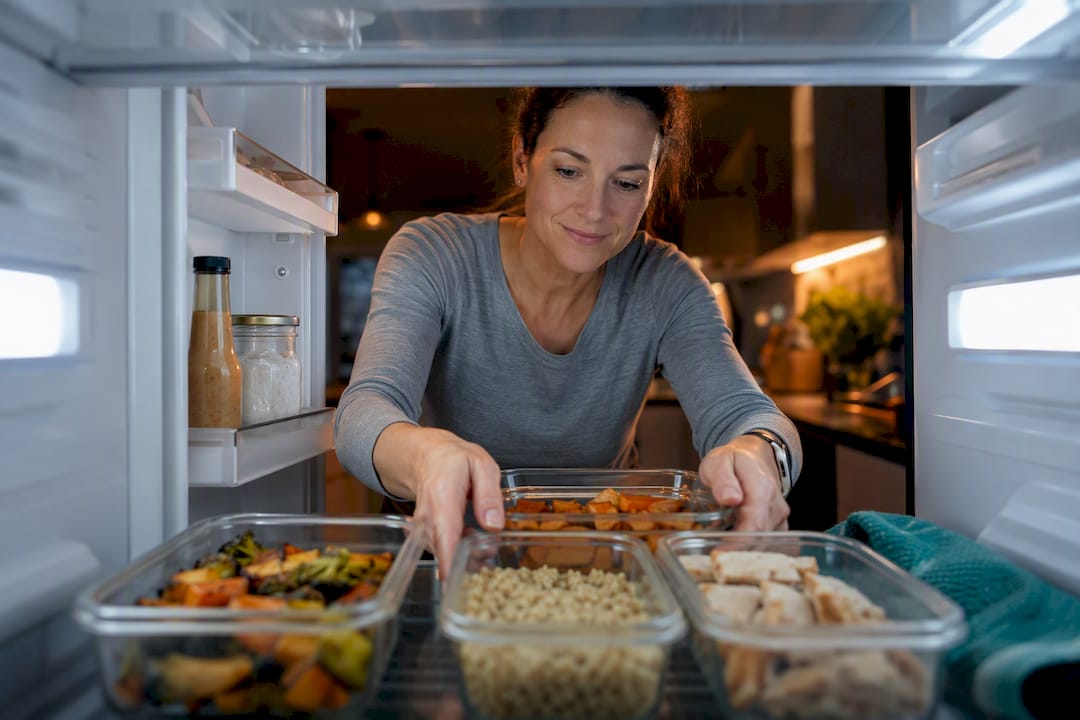
Pick two or three proteins, two grains, and three vegetables, then spend one to three hours cooking them separately instead of assembling identical plates. This component-based approach to weekly meal prep saves the average home cook several nights of dinner decisions, keeps grocery costs down, and ensures most cooked items stay fresh in the fridge for three to four days. Choose a prep day this weekend and batch-cook one protein to start.
TL;DR:
Prepping ingredients separately rather than full meals increases weekly variety and reduces boredom, especially when rotating sauces and seasoning blends.
Cooking proteins, grains, and vegetables in a specific sequence minimizes active time and keeps food fresh for at least three to four days.
Using labels, cooling food adequately, and reheating with moisture helps maintain meal quality and prevents waste or soggy textures.
The most common meal-prep failures—such as hot sealing, boredom, and forgetting sauces—have quick fixes like cooling first, rotating flavors, and batch-making sauces.
A flexible, habit-focused approach that starts small and adapts to individual schedules improves sustainability and helps prevent abandonment of the routine.
Table of Contents
Why Weekly Meal Prep Actually Pays Off
The math behind weekly meal prep is simple: cooking five dinners in one session takes less total time than cooking five separate dinners on five separate nights, even accounting for the extra minutes spent chopping and portioning up front. You eliminate the nightly “what’s for dinner” scramble, which is often where takeout orders sneak in and blow the weekly budget.
Nutrition consistency is the other half of the payoff. When your proteins, grains, and vegetables are already cooked and portioned, you’re not making food decisions while hungry and tired at 7 p.m., which is exactly when most people overeat or default to whatever’s fastest. Harvard’s Nutrition Source recommends prepping staples ahead of time rather than assembling full identical meals, specifically because it makes portion control and produce variety easier to maintain across a busy week.
The real threat to any weekly meal prep routine isn’t effort. It’s boredom. Eating the same chicken-and-rice bowl five days in a row is what makes people quit by week three.
Rotate two or three sauces (peanut lime, chimichurri, tahini) across the same base ingredients
Swap seasoning blends on identical proteins (taco spice one day, Italian herbs the next)
Change the vehicle: the same roasted vegetables go in a bowl Monday, a wrap Wednesday, a salad Friday
Quick math: Someone who preps five lunches instead of buying them typically saves $6 to $10 per meal compared with fast casual pricing. Multiply that by a year of workweeks and meal prep is one of the highest-leverage budget habits in home cooking.
Which Meal-Prep Style Actually Fits Your Week?
Not every meal-prep method suits every household, and picking the wrong one is why a lot of people abandon the habit after two weeks. Good Housekeeping’s rundown of common meal-prep techniques breaks the practice into a few core styles, each with real tradeoffs.
Batch cooking means making one large quantity of a single dish, like a big pot of chili or a tray of lasagna, and eating it across several days. It’s the fastest style to execute and the easiest to freeze in portions, but it’s also the one most likely to trigger flavor fatigue by day four.
Component prepping means cooking proteins, grains, and vegetables separately and combining them differently each day. This is the style Harvard’s Nutrition Source points to when it notes that prepping ingredients rather than full meals tends to increase variety across the week. It takes slightly more planning but almost eliminates boredom.
Portioned meals are fully assembled plates, sealed and stacked in the fridge or freezer, ready to reheat with zero decisions. This works best for people who genuinely don’t want to think about lunch, but it eats up more fridge space and locks you into whatever you made on Sunday.
Freezer-first prep means cooking in bulk specifically to freeze half or more, spreading one cooking session across two or three weeks of meals. It’s the most time-efficient style per meal produced, but it requires freezer-safe containers and a bit more thawing planning.
Here’s who each style tends to fit best:
Singles and couples: component prepping, since smaller batches of varied ingredients don’t go stale before you finish them
Families: batch cooking for dinners, portioned meals for kids’ lunches
Shift workers: portioned, fully assembled meals that require zero thinking at odd hours
People with ADHD: component prepping paired with visible, labeled containers. Reducing the number of decisions at mealtime removes a common friction point, and having food visibly ready lowers the activation energy needed to eat consistently
Most experienced meal preppers eventually land on a hybrid: batch-cook one protein and one grain, freezer-prep a backup soup, and component-prep the vegetables so Tuesday’s dinner doesn’t taste like Sunday’s leftovers.
How Do You Build a Weekly Meal-Prep Routine?
A tested five-step system covering plan, shop, cook, store, and reheat is what separates people who meal prep for years from people who quit after one exhausting Sunday, according to FoodDoneGood’s breakdown of an efficient weekly workflow. Here’s how to run each step without burning your entire weekend.
1. Plan with the formula of threes
Before you touch a grocery list, decide on two proteins, two grains, and three vegetables for the week. That’s it. This “formula of threes” keeps decision fatigue low while still giving you enough combinations to avoid eating the same plate twice. A realistic lineup might look like: chicken thighs and a can of black beans, brown rice and quinoa, then broccoli, bell peppers, and roasted sweet potato.
Write this down before you shop. A five-minute planning session on Saturday morning saves you from a 40-minute wandering trip through the store later. If you want a structured template for this step, our weekly meal plan guide walks through building one that actually lasts past the first week.
2. Shop by store section, not by recipe
Organize your grocery list by where items live in the store: produce, proteins, dry goods, dairy, frozen. This alone can cut a grocery trip by 10 to 15 minutes because you’re not backtracking across the store chasing items in recipe order.
Buy staples like rice, canned beans, and frozen vegetables in bulk when the per-unit price drops, but only for items with long shelf lives. Bulk-buying fresh produce you won’t use before it wilts isn’t saving money, it’s throwing money in the compost bin. Our guide to pantry staples for healthy family meals covers which dry goods are worth stocking up on.
3. Cook in the right order
This is the step most people get backward, and it’s the single biggest time-waster in a home meal-prep session. The efficient order, per FoodDoneGood’s cook-sequence method, goes like this:
Start anything in a slow cooker, Instant Pot, or rice cooker first. Grains and braised proteins need the least hands-on attention, so get them going and walk away.
Preheat the oven and load sheet pans with vegetables and any roasting proteins. Sheet pans let you cook multiple components at once with almost no active effort.
While the oven runs, work the stovetop: sear proteins, sauté aromatics, or simmer a sauce.
Finish with quick tasks, chopping fresh herbs, washing lettuce, portioning sauces, while everything else finishes cooking or resting.
This sequencing means a two-hour prep session isn’t two hours of standing at the stove. Most of that time is passive: rice cooking, chicken roasting, beans simmering, while you’re free to prep sauces or clean as you go.
4. Cool, then store
Let hot food rest for 10 to 15 minutes before sealing it in a container. Sealing food while it’s still steaming traps condensation inside the container, which turns rice mushy and vegetables soggy by day two. This single habit is the difference between a lunch that still tastes fresh on Thursday and one that’s a wet, sad mess.
Label every container with contents and date, then rotate older items to the front of the fridge so nothing gets forgotten in the back. Harvard’s Nutrition Source recommends this labeling habit specifically because it cuts food waste and prevents the “mystery container” problem everyone’s fridge eventually has.
5. Reheat for texture, not just temperature
Microwaving straight from the fridge tends to overcook the edges of a dish while leaving the center lukewarm. Add a splash of water to grains before reheating to restore moisture, and reheat proteins covered to avoid drying them out. Vegetables generally reheat better in a skillet or air fryer than a microwave, since it brings back some of the texture lost from sitting.
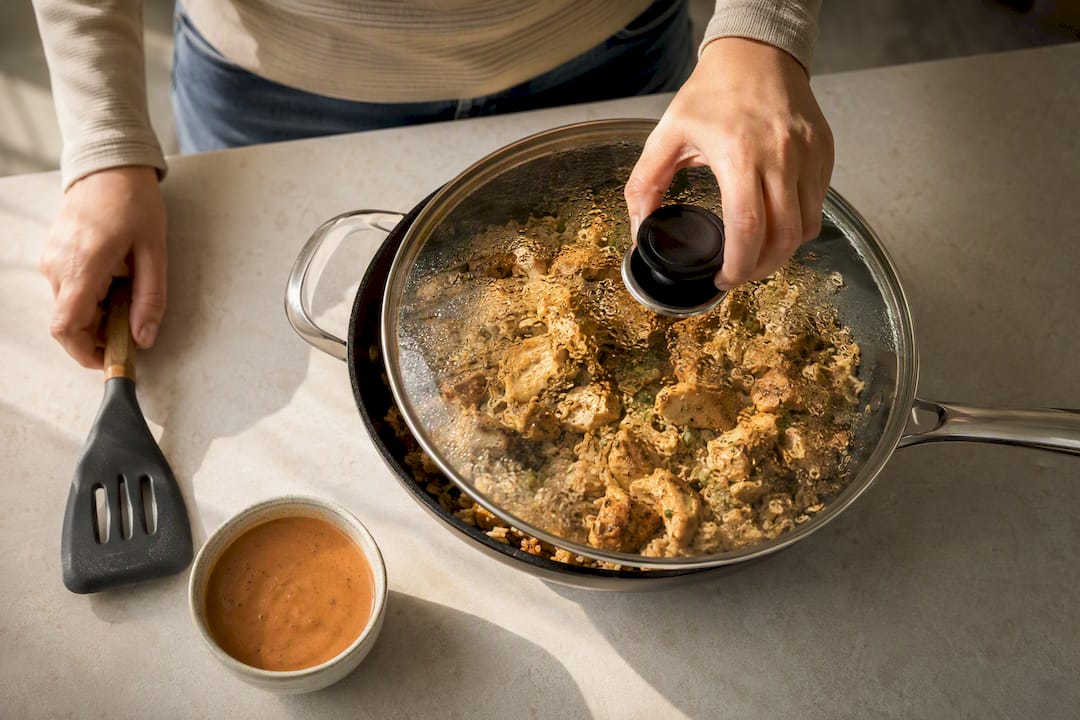
Pro Tip: Reheat your grain and protein together but keep any sauce separate until the last thirty seconds. Sauces added too early turn watery and separate in the microwave, but stirred in right before eating, they taste freshly made.
The 1-hour version, if your weekend is already full
Not every week allows for a two-hour prep session, and that’s fine. A dietitian-backed one-hour routine focuses on prepping versatile ingredients rather than fully assembled dinners: one roasted vegetable tray, one cooked grain, one cooked protein. You mix and match those three components into different dinners all week instead of prepping five complete meals. It’s nearly as effective as a longer session for keeping dinners balanced, and it fits into a genuinely busy Sunday.
What Should You Actually Cook This Week?
Sample menus work best when they lean on the same handful of components across breakfast, lunch, dinner, and snacks, so you’re not managing five unrelated recipes with five different shopping lists.
Breakfast options that hold up all week:
Overnight oats in mason jars, made in five different flavor variations from one oat and yogurt base
Egg muffins baked in a muffin tin with vegetables and cheese folded in, ready to grab cold or reheated
Breakfast burritos assembled and frozen individually, then reheated straight from the freezer on busy mornings
Lunches built around one base:
Grain bowls with a base of rice or quinoa, rotating protein, and whatever roasted vegetables are on hand
Mason-jar salads layered dressing-first at the bottom, greens on top, so nothing wilts before Thursday
Burrito bowls using the same rice, beans, and protein as dinner, just reassembled cold
Dinners that reheat without turning sad:
Sheet-pan dinners with protein and vegetables roasted together, portioned into containers the moment they cool
One-pot stews and soups, which tend to taste better on day three as flavors deepen
Stir-fries made with vegetables slightly undercooked on purpose, since they finish softening during reheating
Snacks and freezer backups:
Hummus and cut vegetables portioned into small containers for grab-and-go snacking
Energy balls made in batches of a dozen, kept in the freezer and thawed as needed
A frozen soup or chili portion held in reserve for the night nothing else in the fridge sounds appealing
The real trick to avoiding meal-prep boredom isn’t more recipes. It’s sauce. BudgetBytes calls homemade sauces and dressings a genuine secret weapon for mix-and-match prep, because the same roasted chicken and rice taste like a completely different meal under a peanut sauce versus a chimichurri. Keep two or three dressings in small jars in the fridge door and rotate them across whatever base ingredients you’ve got.
For dietary swaps, a gluten-free household can sub quinoa or rice for wheat-based grains without changing the rest of the formula, and a dairy-free eater can swap tahini-based dressings for anything creamy. If you’re feeding picky eaters, our kid-friendly dinner ideas show how to adapt these same components for smaller appetites.
What Equipment Actually Makes Meal Prep Faster?
You don’t need a fully outfitted kitchen to meal prep well, but a handful of tools genuinely cut your active cooking time.
A rimmed sheet pan (or two) lets you roast a full tray of vegetables or protein with almost no hands-on effort
A sharp chef’s knife turns twenty minutes of frustrated chopping into five minutes of clean, fast prep
A rice cooker or Instant Pot cooks grains and braised proteins hands-free while you handle other tasks
Glass meal-prep containers with dividers hold up better to reheating than thin plastic and don’t stain from tomato sauce
Small sauce containers or jars keep dressings separate so nothing turns your lunch soggy
For pantry basics, keep canned beans, rice or quinoa, a rotating set of dried spices, and long-life condiments like soy sauce or hot sauce on hand. None of this requires premium brands. A basic set of glass containers from any big-box store works fine, and hand-washing them gently extends their life far longer than a dishwasher’s heat cycle does. Our pantry staples guide has a fuller shopping list if you’re stocking a kitchen from scratch.
How Long Does Prepped Food Actually Last?
Food safety is the part of weekly meal prep that trips people up most, mostly because “it looked fine” isn’t a reliable test for bacterial growth. Harvard’s Nutrition Source and Good Housekeeping both back the same general timelines for refrigerated and frozen prepped food.
Most cooked proteins and grains are best eaten within three to four days when refrigerated, while soups and stews often freeze well for months without much quality loss. If you’re prepping vegetables specifically for the freezer, blanch them first (a quick dunk in boiling water, then ice water) to preserve texture and color, since freezing raw vegetables untreated tends to turn them mushy on thawing.
The cooling rule matters here too: let food sit for 10 to 15 minutes before sealing, and never leave cooked food out at room temperature for more than two hours. That window is what food safety experts call the “danger zone,” the temperature range where bacteria multiply fastest.
What’s Going Wrong With Your Meal Prep?
Most meal-prep failures trace back to the same handful of mistakes, and every one of them has a fast fix.
Sealing food while it’s still hot: causes condensation and soggy texture. Fix: let everything cool 10 to 15 minutes on the counter first.
Prepping five identical meals: guarantees boredom by Wednesday. Fix: prep components instead, and rotate two or three sauces across them.
Forgetting sauces and dressings entirely: leaves you with dry, flavorless bowls. Fix: batch a dressing at the same time you cook, it takes five extra minutes.
Skipping labels and dates: leads to mystery containers and wasted food. Fix: label with a piece of tape and a marker, then rotate older containers to the front.
Overprepping one dish: leaves you eating the same thing for five days straight. Fix: freeze half immediately instead of storing it all in the fridge.
Pro Tip: Run through a two-minute pre-prep checklist before you start cooking: do I have containers ready, is there a sauce planned, do I have labels and tape, and is there freezer space for extras? Catching gaps before you cook saves a frustrating scramble after.
Coach Jill Byrne’s Habit-First Approach to Meal Prep
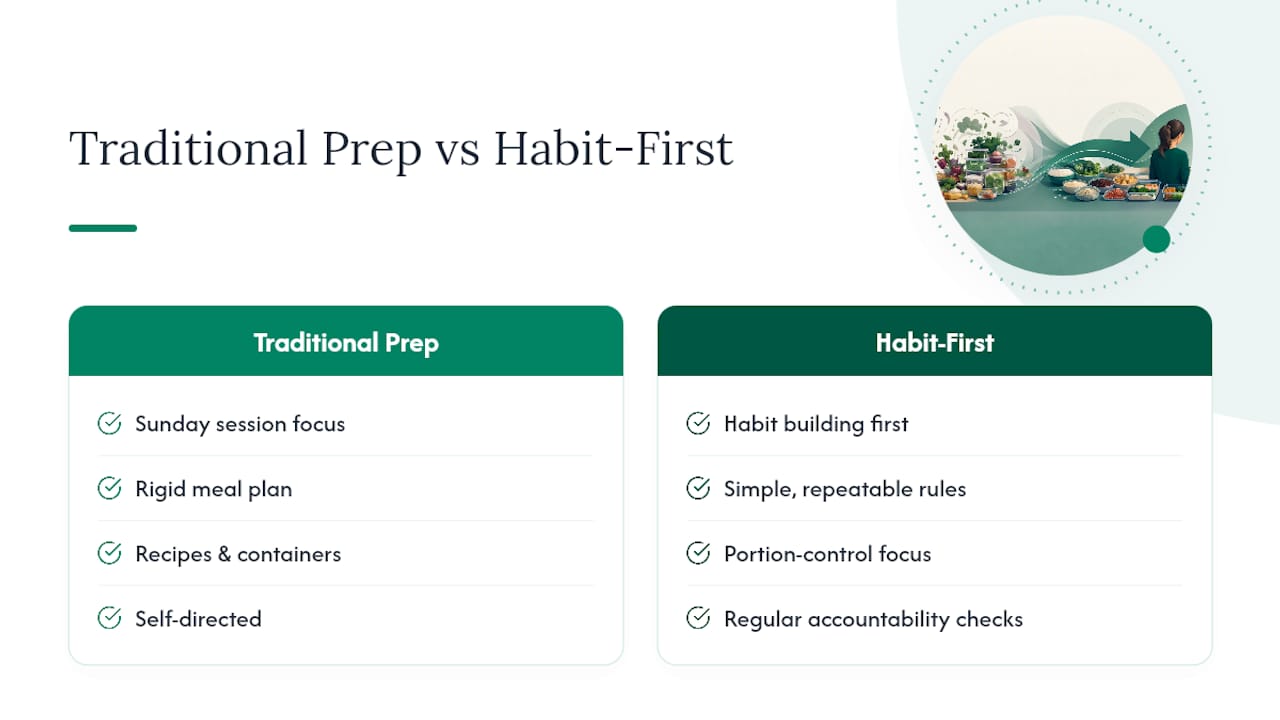
Most meal-prep advice focuses on the Sunday session itself, the recipes, the containers, the shopping list. Coach Jill Byrne’s coaching approach starts a step earlier: building the habit that makes Sunday prep something you actually keep doing in March, not just in the first optimistic week of January.
That habit-based framework applies directly to weekly meal prep. Instead of handing clients a rigid meal plan, coaching sessions focus on portion control, simple repeatable rules, and consistent accountability check-ins that catch a slipping routine before it collapses entirely. This mirrors what behavioral research on sustained healthy eating00001-4/fulltext) points to: habit change sticks better when it’s built around small, repeatable rules rather than a complete overhaul all at once.
People who benefit most from this kind of coaching are usually those who’ve already tried meal prepping alone and hit the same wall twice, or who want a plan tailored to specific goals like weight loss or GLP-1 medication support, where portion sizing and nutrient balance carry extra weight. For a deeper look at how consistent cooking habits tie into long-term weight management, see our piece on the role of cooking habits in weight management.
Try This One Change Before Rebuilding Your Whole Week
The mistake most people make with weekly meal prep is trying to overhaul everything at once, five dinners, three lunches, and breakfast, all in a single Sunday, and burning out by the second week. Start smaller than that feels reasonable.
Pick one protein and two sides this weekend. That’s the entire commitment. Cook a tray of chicken thighs, roast a pan of vegetables, and cook a pot of rice. Nothing more elaborate than that.
A busy week doesn’t need a perfect system, it needs a flexible one. Some weeks you’ll only get through step one before life interrupts, and that’s still a win over ordering takeout four nights running. The goal isn’t a flawless prep session. It’s building the muscle of doing it at all, consistently, until it stops feeling like an event and starts feeling like Tuesday.
— Coach Jill
Ready for a Meal-Prep Plan That Actually Fits Your Life?
Most people don’t fail at weekly meal prep because they lack recipes. They fail because nobody’s checking in when the plan gets abandoned by Wednesday. Coachjillbyrne is the alternative to generic meal-prep templates and one-size-fits-all apps: instead of a static plan you follow alone, you get a personalized system built around your schedule, your food preferences, and real accountability check-ins that catch a slipping routine before it turns into three weeks of takeout.

Coaching with Coach Jill Byrne includes personalized meal plans built on the component-prep principles covered above, portion guidance suited to your specific goals, and habit accountability that adjusts week to week instead of assuming your life looks the same every Sunday. Clients using GLP-1 medications also get nutrition support tailored to appetite changes and nutrient needs that generic meal plans don’t account for. If you’ve tried meal prepping solo and keep landing back at takeout by Thursday, a personalized coaching plan is the next step worth taking. Book a session and get a plan built around the week you actually have, not the week a template assumes you have.
Where the Storage and Routine Guidance Above Comes From
Harvard’s Nutrition Source: the authority behind the fridge and freezer timelines used throughout this guide
Good Housekeeping: a practical breakdown of meal-prep styles and storage tips
FoodDoneGood’s 5-step system: the source for the plan, shop, cook, store, reheat workflow and cook-order sequencing
BudgetBytes: the source behind the sauce-rotation strategy for avoiding meal-prep boredom
Sources
Meal Prep • The Nutrition Source (Harvard T.H. Chan School of Public Health)
How to Meal Prep for the Week, According to Experts (Good Housekeeping)
As Dietitian, I Love This 1-Hour Meal Prep Routine for Weekly Dinners - Business Insider
Weekly Meal Prep Guide — Your Complete 5-Step System (FoodDoneGood)
FAQ
Is Meal Prepping for a Week Healthy?
Yes, prepping meals for the week supports healthier eating by making portion control and vegetable variety easier to maintain, since the decisions are already made before hunger sets in.
Are Meal Preps Good for 5 Days?
Most cooked proteins, grains, and vegetables stay fresh in the fridge for three to four days, so a full five-day prep usually needs at least one item frozen and rotated in partway through the week.
What Foods Can I Prep for the Week?
Proteins like chicken, beans, and tofu, grains like rice and quinoa, and roasted or blanched vegetables all hold up well, especially when kept as separate components rather than fully assembled plates.
Is Meal Prepping Good for ADHD?
Component-based meal prep paired with labeled, visible containers can help reduce the number of in-the-moment decisions around food, which lowers a common barrier to eating consistently for people with ADHD. Personalized coaching, like the habit-based accountability Coach Jill Byrne offers, can also help build the routine into a lasting habit rather than a one-time effort.
Recommended
Comments