
Top 10 Whole Foods Superfoods: What to Buy and Use
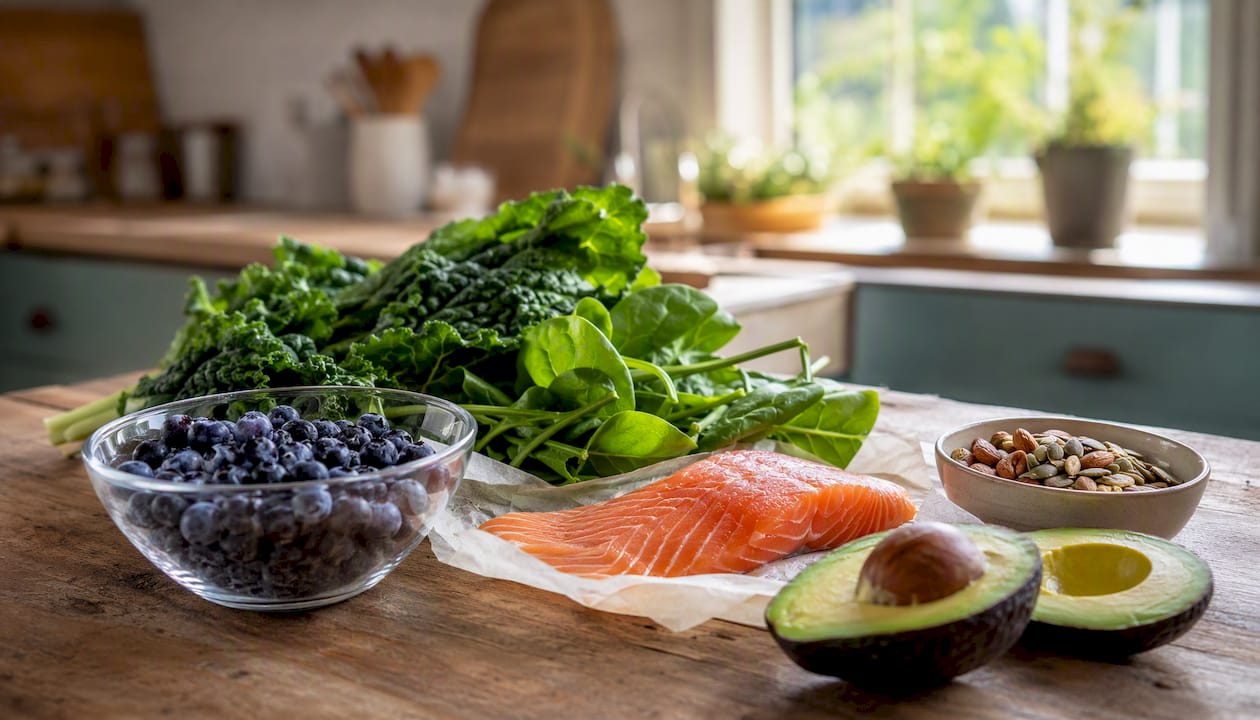
Whole Foods Market carries some of the most nutrient-rich foods you can add to your diet right now. Chan School of Public Health](https://nutritionsource.hsph.harvard.edu/superfoods/), the term “superfood” has no regulated scientific definition, but the foods most often given that label share one quality: exceptional nutrient density relative to their calorie count. Registered dietitians and nutrition coaches like Coach Jill Byrne consistently point to the same short list as the best starting point for whole foods superfoods: frozen wild blueberries, dark leafy greens, wild-caught salmon, nuts and seeds, fermented foods, whole grains and legumes, turmeric and ginger, mushrooms and seaweed, avocado, and sweet potato.
Start with these six buying cues before you read further:
Frozen wild blueberries: choose frozen over fresh for better antioxidant retention and lower cost
Dark leafy greens (kale, spinach): buy the 365 by Whole Foods Market store brand to save money without sacrificing quality
Wild-caught salmon: look for the “MSC Certified” blue label at the seafood counter
Mixed nuts and seeds: use the bulk bins for smaller quantities and fresher turnover
Plain whole-milk kefir or yogurt: check that “live and active cultures” appears on the label
Dried lentils or canned no-salt-added beans: among the most cost-effective nutrient-dense foods in the store
These picks work best as part of a consistent dietary pattern, not as isolated additions. The Harvard Health list of commonly recognized nutrient-dense foods makes exactly that point: the benefit comes from the overall eating pattern, not any single ingredient.
Key Takeaways
The most effective approach to whole foods superfoods is building a consistent dietary pattern around nutrient-dense staples, not chasing any single miracle ingredient.
Point | Details |
Buy these first | Frozen wild blueberries, dark leafy greens, wild salmon, nuts and seeds, fermented foods, and lentils cover the most nutritional ground per dollar. |
Frozen beats fresh for value | Frozen berries, spinach, and salmon retain nutrients well and cost less than fresh equivalents at Whole Foods. |
Use them in real meals | A berry-oat jar, a kale-bean salad, or a salmon sheet-pan dinner puts superfoods into daily rotation without complex prep. |
“Superfood” is a marketing term | Harvard T.H. Chan and the Cleveland Clinic both confirm benefits come from overall dietary patterns, not individual ingredients. |
Coachjillbyrne adds the plan | Personalized coaching from Coachjillbyrne translates this list into a weekly shopping plan and meal structure tailored to your specific health goals. |
Table of Contents
1. What are the best whole foods superfoods to buy at Whole Foods?
How to shop these superfoods at Whole Foods without overspending
Superfood powders and supplements at Whole Foods: when they help and when to skip them
Why no single superfood is a miracle, and what actually works
What sustainable integration of superfoods actually looks like
Personalized nutrition coaching to put this list into practice
1. What are the best whole foods superfoods to buy at Whole Foods?
The ten categories below cover the foods most consistently supported by nutrition research and most reliably stocked at Whole Foods. Each entry includes what to pick, why it matters nutritionally, and one store-specific tip.
Berries
Wild blueberries, raspberries, and blackberries are among the highest-antioxidant foods available. Their anthocyanins support cardiovascular health and may reduce oxidative stress. At Whole Foods, the frozen aisle is your best value: a 32-oz bag of frozen wild blueberries typically costs less than a pint of fresh, and freezing preserves polyphenol content well. Strawberries are on the Environmental Working Group’s “Dirty Dozen” list, so organic matters here.
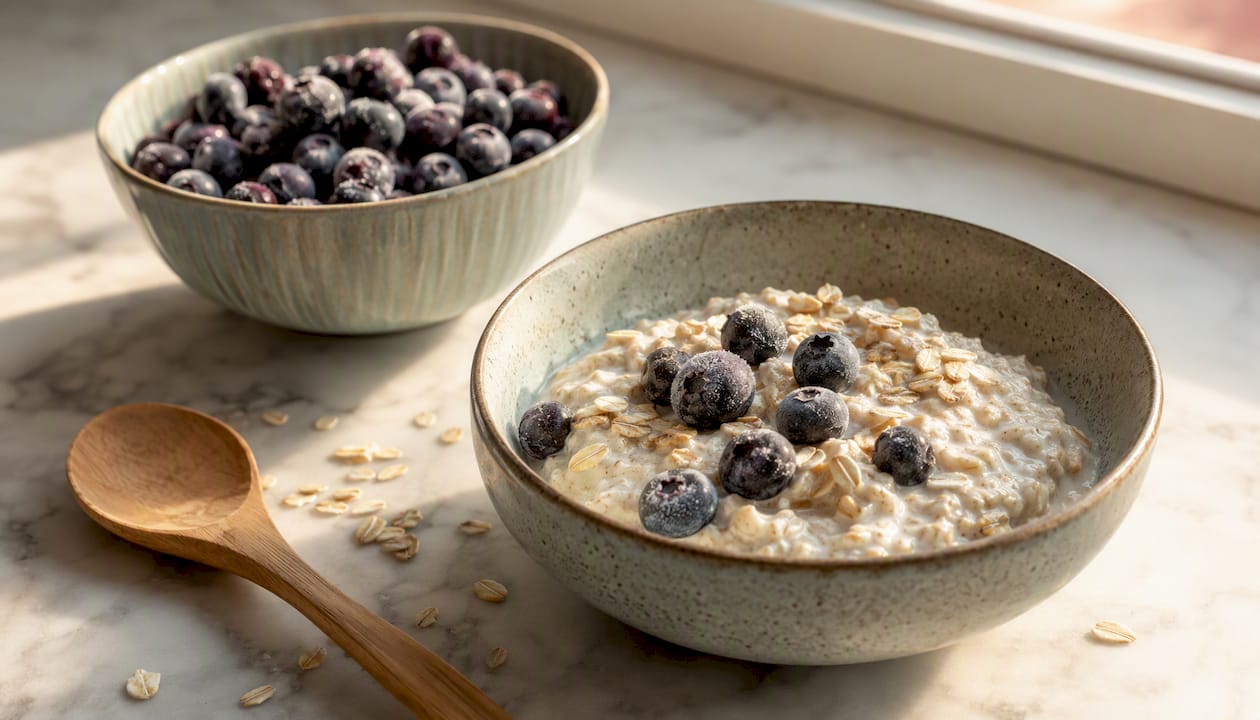
Pro Tip: Add a half-cup of frozen wild blueberries directly to overnight oats or a smoothie without thawing. No prep, no waste.
Dark leafy greens and crucifers
Kale, spinach, Swiss chard, arugula, and broccoli deliver fiber, folate, vitamins K and C, and calcium. Cruciferous vegetables like broccoli and Brussels sprouts also contain glucosinolates, compounds studied for their role in cellular health. The 365 by Whole Foods Market brand offers pre-washed baby spinach and chopped kale at competitive prices. Seasonal note: local kale peaks in fall and early winter; summer is when you’ll find the freshest arugula.
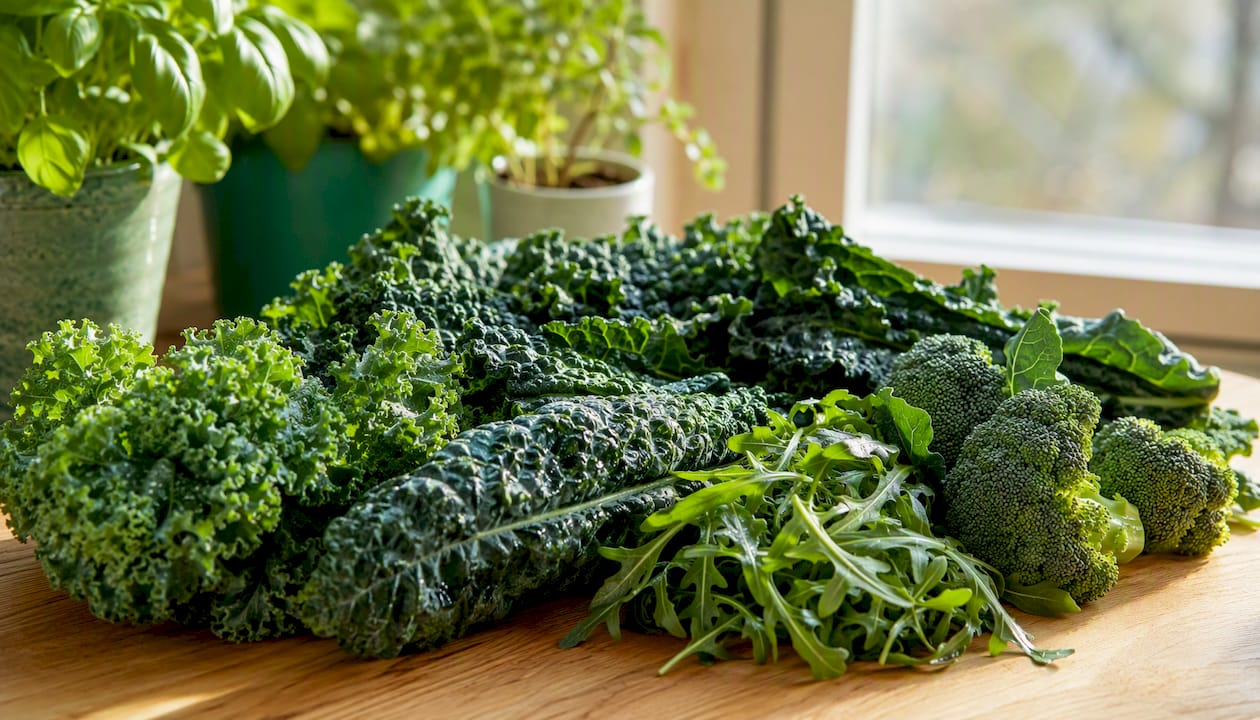
Allergen note: Cruciferous vegetables are high in vitamin K, which can interact with blood-thinning medications. Consult your physician if you take warfarin.
Fatty fish (salmon)
Wild-caught salmon is one of the most concentrated sources of long-chain omega-3 fatty acids (EPA and DHA) available at retail. Two servings per week is the amount the American Heart Association recommends for cardiovascular support. At Whole Foods, the seafood counter labels wild-caught Alaskan sockeye separately from farmed Atlantic salmon; the MSC certification mark confirms sustainable sourcing. Canned wild salmon in the pantry aisle is a lower-cost alternative with comparable omega-3 content.
Nuts and seeds
Walnuts, almonds, chia seeds, flaxseed, and hemp hearts each bring a distinct nutrient profile: walnuts for plant-based omega-3s (ALA), chia and flax for fiber and lignans, hemp hearts for complete protein. The Whole Foods bulk bins let you buy two tablespoons of chia or a quarter-cup of walnuts rather than committing to a full bag. Store raw nuts in the refrigerator once opened; their polyunsaturated fats oxidize quickly at room temperature.
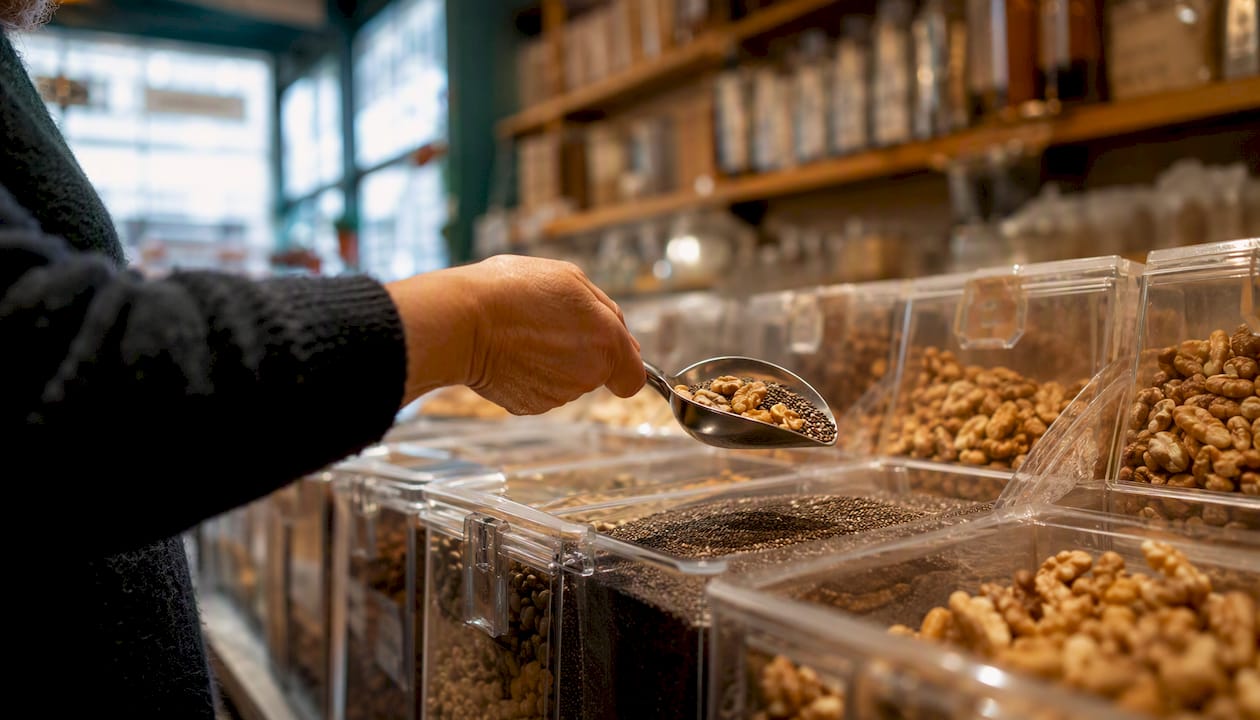
Allergen note: Tree nuts and peanuts are among the most common food allergens. Bulk bins carry cross-contact risk for those with severe allergies.
Fermented foods
Plain yogurt, kefir, sauerkraut, kimchi, and miso deliver live probiotic cultures that support gut microbiome diversity. Gut health research consistently links a diverse microbiome to improved digestion, immune function, and mood regulation. At Whole Foods, look for sauerkraut in the refrigerated section (not the shelf-stable canned version, which is pasteurized and contains no live cultures). For yogurt, plain whole-milk Greek yogurt with “live and active cultures” on the label is the most nutrient-complete option.
Pro Tip: Pair fermented foods with prebiotic fiber sources like garlic, onion, or oats to feed the beneficial bacteria you’re introducing.
Whole grains and legumes
Oats, farro, quinoa, black beans, lentils, and chickpeas provide fiber, plant protein, B vitamins, and minerals like iron and magnesium. Lentils in particular are one of the most cost-effective sustainable weight loss foods available anywhere. At Whole Foods, the bulk bins carry farro, rolled oats, and dried lentils at lower per-pound prices than packaged versions. Canned no-salt-added beans (365 brand) are a reliable pantry staple when you don’t have time to cook dried.
Spices: turmeric and ginger
Turmeric contains curcumin, a polyphenol with well-documented anti-inflammatory properties in laboratory and small clinical studies. Ginger contains gingerols and shogaols, compounds studied for digestive support and nausea relief. Both are available fresh, dried, and in supplement form at Whole Foods. Fresh turmeric root appears in the produce section seasonally (peak availability: fall through winter). Dried ground turmeric from the bulk spice section is the most economical daily-use option.
Seaweed and mushrooms
Dried nori, wakame, and kelp are among the few plant sources of iodine, a mineral critical for thyroid function. Mushrooms, particularly shiitake, maitake, and lion’s mane, provide beta-glucans, B vitamins, and in some varieties, vitamin D when sun-exposed. Mushroom fruiting body research shows that the fruiting body (the whole mushroom) contains the most concentrated beta-glucan content compared to mycelium-based products. Whole Foods stocks fresh shiitake and oyster mushrooms year-round, with dried varieties in the pantry aisle.
Avocado
Avocados deliver monounsaturated fats, potassium, folate, and fiber in a single fruit. The fat content supports fat-soluble vitamin absorption from other foods eaten in the same meal, which makes avocado a practical addition to salads and grain bowls. Whole Foods typically stocks both conventional and organic avocados; conventional is generally acceptable here since the thick skin limits pesticide penetration. Ripe avocados can be refrigerated for two to three days to slow further softening.
Sweet potato
Sweet potatoes are one of the most nutrient-dense root vegetables available, providing beta-carotene (a precursor to vitamin A), potassium, fiber, and vitamin C. Their natural sweetness makes them an easy swap for refined carbohydrates in most meals. At Whole Foods, loose sweet potatoes are less expensive per pound than pre-bagged versions. They store well at room temperature for up to two weeks, making them a practical bulk buy.
How to shop these superfoods at Whole Foods without overspending
Smart shopping at Whole Foods comes down to three decisions: fresh vs. frozen, organic vs. conventional, and store brand vs. name brand.
Frozen vs. fresh: For berries, spinach, edamame, and salmon portions, frozen is nutritionally equivalent to fresh and often cheaper. Freezing locks in nutrients at peak ripeness. Fresh is worth it for avocado, sweet potato, and any produce you plan to eat within two days.
Organic vs. conventional: Prioritize organic for thin-skinned produce that appears on the EWG Dirty Dozen (strawberries, spinach, kale, blueberries). Avocados, sweet potatoes, and onions have lower pesticide residues and are generally fine conventional.
Store brand and bulk bins: The 365 by Whole Foods Market line covers most staples (canned beans, frozen vegetables, oats, olive oil, yogurt) at prices that compete with mainstream grocery stores. Bulk bins work best for nuts, seeds, dried grains, and spices you use regularly.
Label checklist: Ignore front-of-package claims like “superfood blend” or “antioxidant-rich.” Flip to the ingredient list. For yogurt, the list should read milk and live cultures, nothing else. For nut butters, it should read nuts and salt. Added sugars, maltodextrin, and hydrogenated oils are the three fillers most worth avoiding.
Pro Tip: Check the Whole Foods app weekly deals tab before shopping. Rotating sales on wild-caught fish, organic produce, and store-brand staples can reduce a typical superfood-focused cart by a meaningful amount.
Seven quick recipes and a sample one-day meal plan
These seven ideas use items from the list above. Each takes under 20 minutes of active prep.
Berry-oat breakfast jar: Layer rolled oats, chia seeds, frozen wild blueberries, and plain kefir in a jar. Refrigerate overnight. No cooking required.
Kale and white-bean warm salad: Sauté kale in olive oil with garlic, add canned white beans, finish with lemon juice and red pepper flakes.
Salmon sheet-pan dinner: Season wild salmon with turmeric, ginger, and olive oil. Roast at 400°F alongside broccoli florets for 15 minutes.
Turmeric-ginger roasted sweet potatoes: Cube sweet potatoes, toss with olive oil, ground turmeric, and fresh ginger, roast at 425°F for 25 minutes.
Miso-mushroom grain bowl: Cook farro, top with sautéed shiitake mushrooms, a soft-boiled egg, sliced avocado, and a miso-tahini dressing.
Chia-avocado toast: Spread mashed avocado on whole-grain toast, top with chia seeds, hemp hearts, and a pinch of sea salt.
Lentil-spinach soup: Simmer dried lentils with diced tomatoes, spinach, cumin, and vegetable broth for 30 minutes.
Sample one-day meal plan
Meal | Foods | Rough macros |
Breakfast | Berry-oat jar (oats, chia, kefir, blueberries) | ~400 kcal, 15g protein, — fiber |
Lunch | Kale and white-bean salad with olive oil | ~400 kcal, 15g protein, — fiber |
Snack | 1 oz walnuts + 1 small apple | ~200 kcal, 4g protein, — fiber |
Dinner | Salmon sheet-pan with broccoli and sweet potato | ~400 kcal, 15g protein, — fiber |
Pro Tip: Batch-cook a pot of farro or lentils on Sunday. Portioned into containers, they keep for five days in the refrigerator and cut weeknight meal prep to under ten minutes. For more on balancing macronutrients with real food, the approach translates directly to these meals.
Superfood powders and supplements at Whole Foods: when they help and when to skip them
Whole Foods carries a wide range of greens powders, protein blends, and superfood supplements. The Cleveland Clinic advises getting vitamins and minerals from whole foods rather than supplements whenever possible, and that guidance holds for most shoppers most of the time. Powders have a legitimate role in specific situations: when travel or schedule makes whole-food prep impossible, or when a clinician has identified a specific nutrient gap.
Whole foods vs. powders: key tradeoffs
Factor | Whole foods | Greens powder |
Fiber content | High (intact) | Low to none |
Nutrient bioavailability | Generally high | Variable by formulation |
Additives and fillers | None (single ingredient) | Varies widely |
Cost per serving | Lower for staples | Higher |
Convenience | Requires prep | Mix and drink |
Regulatory oversight | Food standards apply | Supplement (not FDA pre-approved) |
Ancient Nutrition Organic Super Greens Powder is one example sold at Whole Foods. Its ingredient list includes spirulina, chlorella, matcha, fruit and vegetable blends, probiotics, and digestive enzymes. It illustrates both the appeal and the complexity of greens powders: the ingredient list is long, the nutrient sources are real, but the fiber content per serving is a fraction of what a cup of cooked kale provides.
Safety checklist before buying any supplement at Whole Foods:
Look for third-party testing seals: NSF Certified for Sport, USP Verified, or Informed Sport
Check the serving size against the dose studied in research (many products underdose key actives)
Review for potential interactions if you take medications (iron, blood thinners, thyroid drugs)
Pregnant or breastfeeding individuals should consult a clinician before using greens powders
If you’re managing a condition like prediabetes or are on a GLP-1 medication, a registered dietitian can help you determine whether a powder adds value to your current plan
Pro Tip: Before buying a greens powder, ask whether you could eat the equivalent whole food for less money. A tablespoon of spirulina powder costs roughly the same per serving as a bag of frozen spinach that provides far more fiber and volume.
Why no single superfood is a miracle, and what actually works
The word “superfood” is a marketing construct, not a scientific category. Harvard T.H. Chan’s Nutrition Source states plainly that no single food provides all the nutrients the body needs, and that the evidence for disease prevention comes from dietary patterns, not individual ingredients. A peer-reviewed review published in PMC found that web content on superfoods often simplifies claims and can raise unrealistic expectations among consumers, recommending that guidance emphasize variety and balance instead.
The Cleveland Clinic reinforces this: dietitians there recommend building meals around a variety of whole foods rather than concentrating on any one item. The Healthline summary of commonly cited superfoods mirrors the same categories covered here, and every credible source lands on the same conclusion.
Three practical rules that registered dietitians consistently recommend:
Variety: Rotate your produce, protein, and grain choices weekly. Different colors and plant families provide different phytonutrients.
Portion awareness: Even nutrient-dense foods contribute calories. A quarter-cup of walnuts is a serving; a full cup is four servings.
Realistic expectations: Superfoods support health over months and years of consistent use. They do not reverse chronic conditions in days or weeks.
The PMC review also notes that the “superfood” label can shift consumer demand toward expensive imported ingredients and away from affordable, equally nutritious staples like beans, oats, and seasonal vegetables. The most evidence-backed diet for long-term health, as Medical News Today summarizes, is a plant-forward whole-food pattern, which includes all the items on this list and costs far less than a cart full of branded superfood products.
What sustainable integration of superfoods actually looks like
The foods on this list are only as useful as the habits built around them. Adding frozen blueberries to oatmeal twice a week, swapping white rice for farro once, or replacing a processed snack with a handful of walnuts are the kinds of small, repeatable changes that compound over months into measurable health improvements. The real food nutrition principles that support lasting health are not complicated: prioritize whole ingredients, cook more meals at home, and build variety into your weekly rotation.
For people managing specific conditions, including prediabetes, cardiovascular risk, or GLP-1 medication transitions, the same foods apply but the portions, timing, and combinations matter more. That is where eating habits beyond medication become the deciding factor in outcomes. A personalized plan built around your actual schedule, preferences, and health goals will always outperform a generic list.
Personalized nutrition coaching to put this list into practice

Knowing which whole foods superfoods to buy is the first step. Knowing how to fit them into your actual week, in the right portions, with meals your household will eat, is where most people need support. Coachjillbyrne offers personalized nutrition coaching built around real food: customized meal planning, portion guidance, habit-based accountability, and GLP-1 nutrition support for clients managing weight loss with medication. A typical coaching engagement includes a weekly Whole Foods shopping list tailored to your goals plus two or three recipe ideas that use what you already have. No restrictive protocols, no supplement stacks. Just practical, sustainable food habits that fit your life. Book a consultation to get started.
Sources
These sources provide the evidence behind the picks in this article.
This article is general information, not a substitute for advice from a qualified doctor. Consult a qualified healthcare professional about your own circumstances before acting on anything here.
FAQ
What is the healthiest food at Whole Foods?
No single food holds that title, but wild-caught salmon, dark leafy greens, and frozen wild blueberries consistently rank among the most nutrient-dense options available. Harvard Health and the Cleveland Clinic both recommend these categories as part of a balanced dietary pattern.
What is actually worth buying at Whole Foods?
The best value purchases are 365 by Whole Foods Market store-brand staples (canned beans, frozen vegetables, oats), bulk-bin nuts and seeds, and wild-caught salmon. These items deliver strong nutrient density at prices competitive with mainstream grocery stores.
What is the healthiest grocery store in the USA?
Whole Foods Market is frequently cited for its quality standards, including restrictions on certain artificial additives and a strong organic selection. That said, nutrient-dense whole foods are available at most major grocery chains; the store matters less than the foods you choose inside it.
What’s the best probiotic at Whole Foods?
Plain whole-milk kefir or Greek yogurt with “live and active cultures” on the label is the most evidence-supported probiotic food available at Whole Foods. For a supplement, look for products with NSF or USP third-party testing seals and a clearly stated CFU count per serving.
Recommended
Comments