
Why Clean Eating Matters for Kids: A Parent's Guide
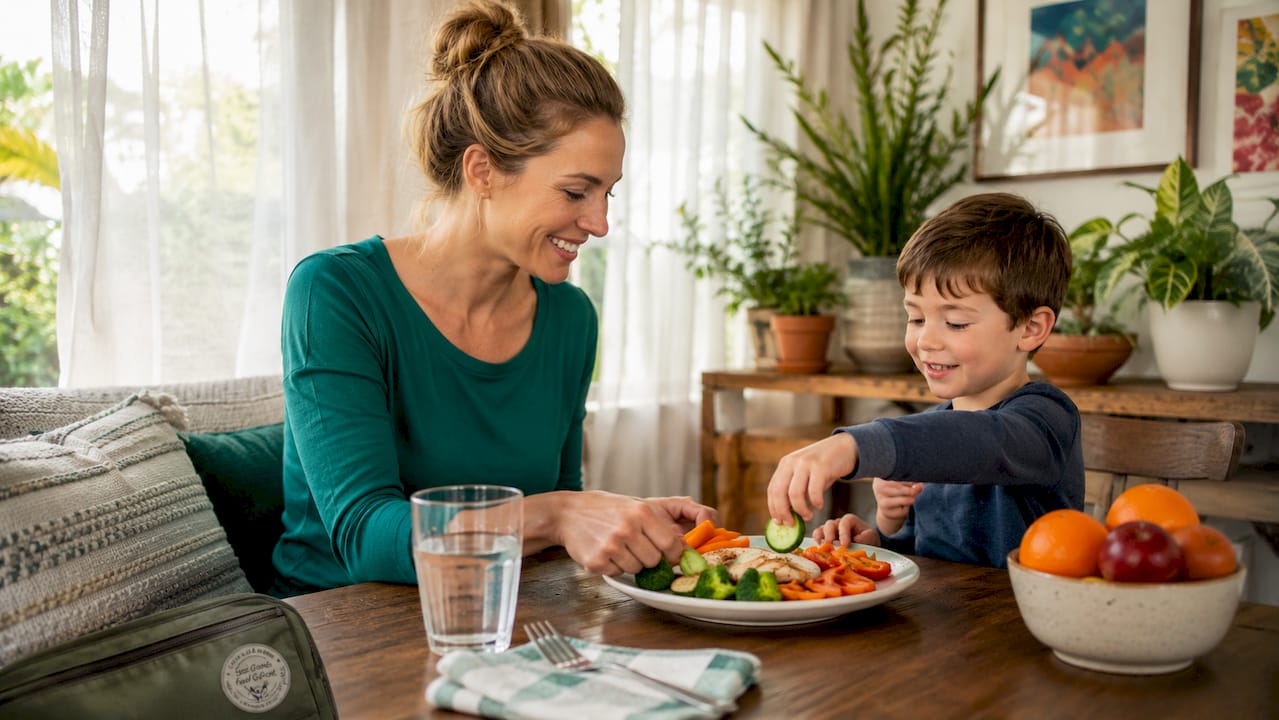
Clean eating for children is defined as a dietary approach centered on whole, nutrient-dense foods while minimizing ultra-processed items to support optimal growth, brain development, and long-term health. The CDC confirms that healthy eating supports cognitive development, strong immunity, and healthy growth while reducing lifelong risks of obesity, Type 2 diabetes, and heart disease. Understanding why clean eating matters for kids gives parents a clear foundation for making daily food decisions that actually stick. The good news is that you do not need a perfect diet. You need a consistent one.
Why clean eating matters for kids: the core benefits
Whole food nutrition, the recognized term for what parents often call “clean eating,” delivers specific, measurable advantages for children’s physical and mental development. These benefits are not abstract. They show up in how your child learns, grows, and feels every day.
Brain development and focus
Nutrient-dense foods supply the vitamins, minerals, and healthy fats that a developing brain requires. Iron, zinc, omega-3 fatty acids, and B vitamins all play direct roles in memory, attention, and mood regulation. Children who eat primarily whole foods tend to perform better academically and show more stable energy levels throughout the school day.
Physical growth and immunity
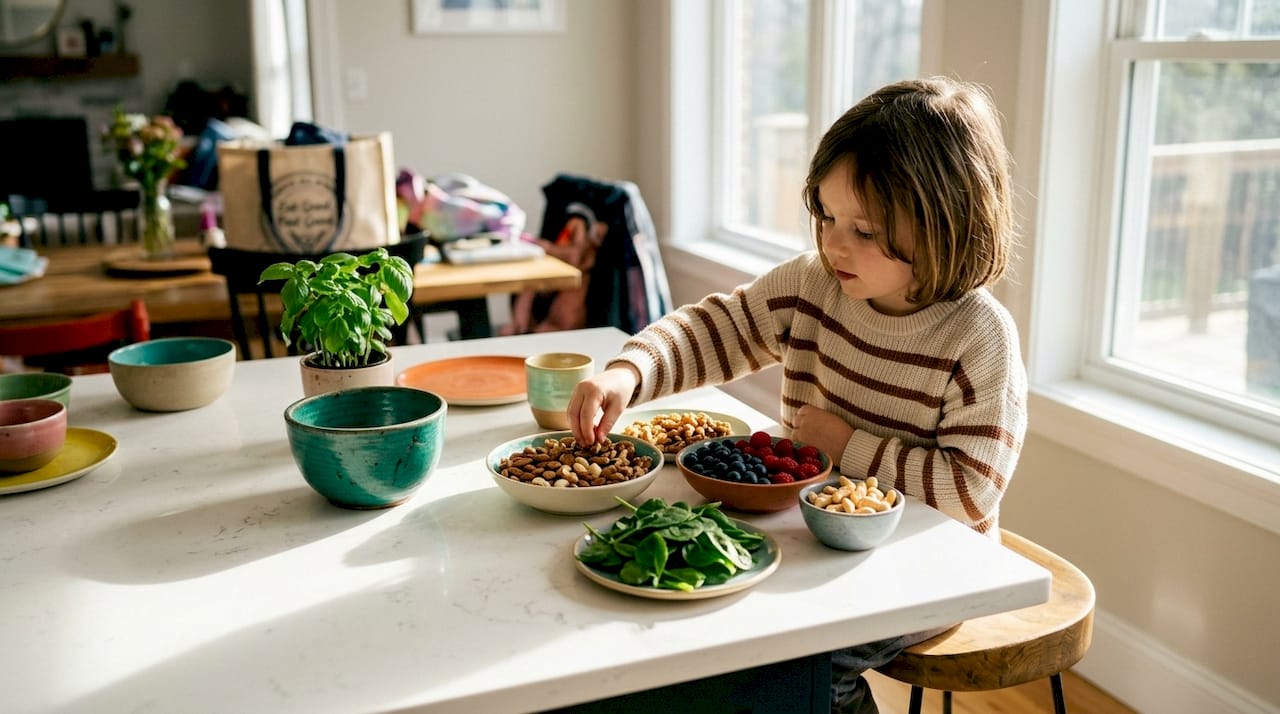
Strong bones, healthy muscles, and a well-functioning immune system all depend on consistent nutrition. Calcium, vitamin D, and protein are the primary building blocks for physical growth. Children who eat nutrient-rich foods get sick less often and recover faster when they do.
Disease prevention
Poor childhood nutrition is a direct contributor to obesity, Type 2 diabetes, and cardiovascular risk later in life. Ultra-processed foods carry high calorie loads with low essential nutrients, which creates a pattern of overconsumption without adequate nourishment. Starting whole food habits early interrupts that pattern before it becomes entrenched.
Fiber from fruits, vegetables, and whole grains supports digestion and prevents constipation, a common childhood complaint.
Lean protein from eggs, legumes, and poultry supports muscle development and keeps children full between meals.
Healthy fats from avocado, nuts, and oily fish support brain cell development during critical growth windows.
Antioxidants from colorful produce protect cells and strengthen the immune response.
Pro Tip: Add one new vegetable to a familiar meal each week rather than overhauling your child’s plate all at once. Small additions build variety without triggering resistance.
How do whole foods versus ultra-processed foods affect kids?
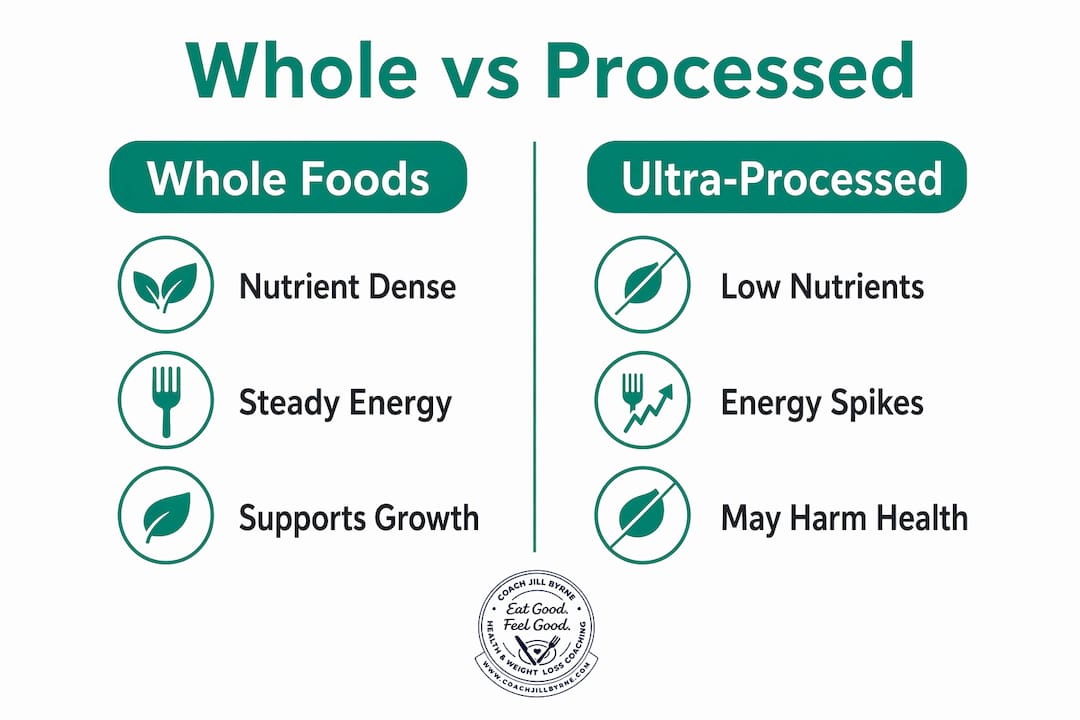
The difference between whole foods and ultra-processed foods is not just about ingredients. It is about what those foods do inside a child’s body over time.
Ultra-processed foods include packaged snacks, fast food, sugary cereals, flavored drinks, and ready-made meals that contain artificial flavors, sweeteners, and added sugars. The 2026 U.S. Dietary Guidelines specifically discourage these items for children because they displace the nutrients kids actually need. When a child fills up on a bag of chips or a juice pouch, they consume calories without the fiber, protein, or micronutrients that a growing body requires.
Feature | Whole foods | Ultra-processed foods |
Nutrient density | High: vitamins, minerals, fiber | Low: mostly refined carbs and additives |
Calorie load | Moderate and satisfying | High with poor satiety |
Effect on blood sugar | Gradual, stable rise | Rapid spike and crash |
Long-term health impact | Reduces chronic disease risk | Increases obesity and metabolic risk |
Typical examples | Apples, oats, eggs, lentils | Packaged chips, soda, flavored yogurt |
Whole grains, fruits, vegetables, and lean proteins provide a steady supply of energy. That steady supply supports concentration in school, physical activity after school, and restful sleep at night. Ultra-processed foods do the opposite. They create energy spikes followed by crashes, which parents often mistake for behavioral issues.
Pro Tip: Read ingredient lists rather than nutrition labels. If the first three ingredients include sugar, corn syrup, or a refined flour, put it back.
Reducing processed food intake does not require eliminating every packaged item. The goal is to make whole foods the default and treat processed options as occasional choices, not daily staples.
What practical meal strategies help parents feed kids well?
Translating nutrition knowledge into daily meals is where most parents get stuck. The following framework, drawn from NIDDK guidance, gives you a clear structure to work from.
Fill half the plate with fruits and vegetables. Children aged 2 and older benefit from half-plate produce portions at every meal. Rotate colors to cover a broad range of vitamins and antioxidants.
Choose whole grains over refined grains. Swap white bread, white rice, and regular pasta for whole wheat bread, brown rice, and whole grain pasta. Whole grains provide fiber that refined versions strip away, and fiber intake remains inadequate among most children despite sufficient protein consumption.
Limit snacks to two nutritious options between meals. Offering two snack options between meals prevents the constant grazing that dilutes appetite at mealtimes. Good choices include apple slices with nut butter, cheese and whole grain crackers, or plain yogurt with berries.
Make water and plain milk the default drinks. Sugary drinks and juices supply empty calories and are not necessary for children’s development. Water and plain milk cover hydration and calcium needs without added sugar. Replacing juice with whole fruit also adds fiber that juice removes.
Include a protein source at every meal. Eggs, beans, lentils, chicken, fish, and dairy all count. Protein supports satiety, muscle development, and stable blood sugar throughout the day.
Involve children in meal preparation. Children who help wash vegetables, stir ingredients, or set the table are more likely to eat what is served. Participation builds ownership and curiosity about food.
Batch cooking is one of the most practical tools available to busy families. Cooking in bulk and freezing meals in portion sizes reduces daily effort while keeping nutritious options consistently available. Spending two hours on a Sunday preparing grains, proteins, and chopped vegetables means weeknight meals take minutes rather than an hour. For more ideas on making this work at home, the guide on home cooking and family health offers practical starting points.
How can parents build lasting healthy eating habits in kids?
Feeding children well is as much about behavior as it is about food. The most nutritious meal plan fails if it creates stress, power struggles, or anxiety around eating.
The Division of Responsibility, a feeding framework supported by CHOC Children’s, establishes a clear boundary: parents decide what, when, and where food is served, and children decide whether and how much to eat. This approach protects children’s natural hunger and fullness signals. Forcing a child to clean their plate overrides those signals and can contribute to overeating patterns in adulthood.
Offer new foods repeatedly without pressure. Children may need 10–15 exposures to a new food before accepting it. Serve it alongside familiar favorites and stay neutral about whether they eat it.
Model the eating behavior you want to see. Caregivers who eat low-sugar, low-saturated-fat meals influence children’s preferences directly. Children watch what adults eat and draw conclusions about what is normal.
Avoid labeling foods as “bad.” Restriction creates fixation. Clean eating should avoid creating food rules that lead to negative relationships with eating. Flexibility is protective.
Create consistent meal times. Predictable meal and snack schedules help children regulate hunger and reduce the likelihood of excessive snacking on less nutritious options.
Build a positive food environment at home. Eating together as a family, keeping the table free from screens, and keeping conversations about food neutral all support a healthy relationship with eating. The resource on building a healthy food culture at home covers this in practical detail.
One important note: no single nutrition approach fits every child. Nutritional needs vary with growth spurts, activity levels, and health history. When in doubt, a pediatrician or registered dietitian can provide guidance tailored to your child’s specific needs.
Key Takeaways
Feeding children primarily whole, nutrient-dense foods while minimizing ultra-processed items is the single most effective strategy for supporting their physical growth, cognitive development, and long-term health.
Point | Details |
Whole foods support development | Nutrient-dense foods fuel brain function, immunity, and physical growth in growing children. |
Ultra-processed foods carry real risk | High-calorie, low-nutrient foods contribute to obesity, blood sugar instability, and chronic disease risk. |
Half the plate should be produce | Children aged 2 and older benefit from fruits and vegetables filling half their plate at every meal. |
Repeated exposure reduces picky eating | Offering a new food 10–15 times without pressure is the most effective way to expand a child’s diet. |
Parent modeling shapes food habits | Children adopt the eating patterns they observe in caregivers, making adult behavior the most powerful nutrition tool. |
What I have learned from working with families on this
Parents often come to me convinced that their child’s eating is a problem to fix. What I have found, time and again, is that the real issue is the environment around the food, not the child.
I have worked with families who overhauled their pantry overnight, removed every processed item, and then wondered why their kids were sneaking food or refusing meals entirely. Restriction without context creates anxiety. Children do not need a perfect diet. They need a consistent, calm, and varied one.
The parents who see the most lasting change are the ones who focus on adding good foods rather than eliminating bad ones. They put a bowl of fruit on the counter. They cook one extra vegetable at dinner. They eat that vegetable themselves, without comment, and let their child watch. That quiet consistency does more than any meal plan I could hand them.
I also want to say this clearly: flexibility is not failure. A birthday cake, a fast food meal on a road trip, or a bag of popcorn at the movies does not undo a week of good nutrition. What matters is the pattern, not the exception. When parents understand that, the pressure lifts, and the whole family eats better.
— Coach Jill
How Coachjillbyrne supports families building better food habits
Knowing what your child should eat and making it happen every day are two very different challenges. Coachjillbyrne provides personalized nutrition coaching designed to help parents build practical, sustainable eating habits that work within real family life.

Whether you are navigating picky eating, trying to reduce processed food at home, or simply looking for a structure that makes healthy meals easier, Coachjillbyrne offers guidance grounded in real food nutrition and habit-based coaching. Visit Coachjillbyrne to learn more about how personalized support can help your family build lasting, healthy eating patterns without the stress of restrictive rules. You can also explore practical guidance on how to replace processed snacks with real food your kids will actually eat.
FAQ
What does clean eating mean for children?
Clean eating for children means prioritizing whole, minimally processed foods like fruits, vegetables, whole grains, lean proteins, and dairy while limiting ultra-processed items with added sugars and artificial additives. The goal is nutrient density, not dietary perfection.
How does diet affect a child’s brain development?
Nutrients like iron, omega-3 fatty acids, zinc, and B vitamins directly support memory, focus, and mood in growing children. The CDC confirms that healthy eating supports cognitive development alongside physical growth and immunity.
How many times should I offer a new food before giving up?
Research from NIDDK shows children may need 10–15 exposures to a new food before accepting it. Offer it repeatedly alongside familiar foods and avoid pressuring your child to eat it.
Are all processed foods harmful for kids?
Not all processed foods are equally harmful. Minimally processed options like plain yogurt, canned beans, and frozen vegetables retain most of their nutritional value. The concern is with ultra-processed products containing artificial flavors, added sugars, and refined ingredients that displace whole food nutrition.
How can I get my child to eat more vegetables?
Fill half their plate with produce at every meal, involve them in food preparation, and model eating vegetables yourself. Consistent, pressure-free exposure over time is more effective than forcing or bribing children to eat specific foods.
Recommended
Comments