
How to Regain Energy Through Real Food Daily

Persistent fatigue is one of the most common complaints among adults managing demanding schedules, yet the solution most people reach for first, whether it’s an extra cup of coffee or a packaged energy bar, only makes the problem worse over time. The answer to how to increase energy naturally starts with what you put on your plate. When you regain energy through real food, you are addressing the root cause rather than masking symptoms. Whole food nutrition, the recognized standard approach to food-based energy management, offers a sustainable path to feeling alert, focused, and consistently fueled throughout the day.
Table of Contents
Key Takeaways
Point | Details |
Real food stabilizes blood sugar | Pairing whole-food carbs with protein and healthy fats prevents the glucose spikes that cause afternoon crashes. |
Meal timing matters as much as food choice | Eating every 3 to 4 hours keeps energy steady and prevents the fatigue that follows long gaps between meals. |
Ultra-processed foods drain energy | Refined sugars and packaged foods raise cortisol and disrupt metabolic balance, working against your vitality. |
Track progress beyond the scale | Monitor mood, focus, and stamina daily to recognize when your nutrition plan is working or needs adjustment. |
Consistency outperforms perfection | Building repeatable meal patterns with natural energy foods produces more lasting results than any short-term cleanse or fix. |
Regain energy through real food: how it works
Before you can fix your energy, you need to understand why it fails. Most people assume fatigue is a sleep problem or a willpower problem. In many cases, it is a blood sugar problem, and blood sugar is almost entirely driven by food choices and meal patterns.
Every time you eat a carbohydrate, your body breaks it down into glucose, which enters the bloodstream and fuels your cells. The key word is how fast. Refined carbohydrates from white bread, crackers, and sugary drinks flood the bloodstream rapidly, producing a short spike in alertness followed by a sharp drop. That drop is what you feel as the mid-morning slump or the 3 p.m. crash. Whole food nutrition addresses this by slowing glucose release.
Here is how each macronutrient plays a specific role in your energy output:
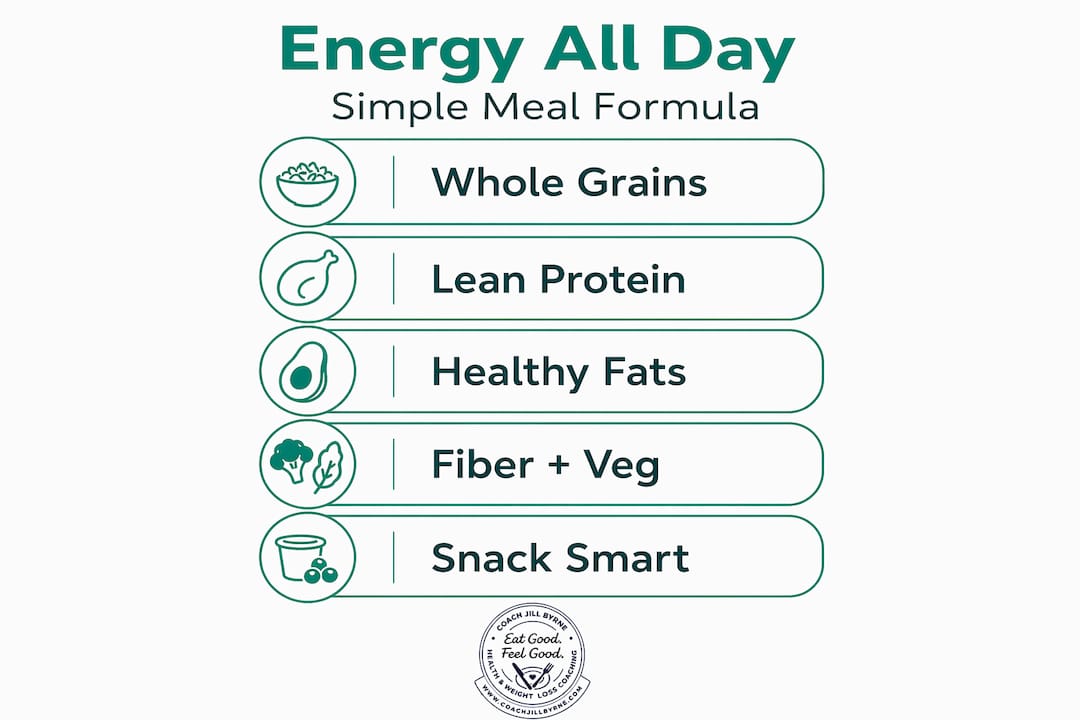
Carbohydrates from whole grains, legumes, and fruit release glucose gradually, providing a steady fuel supply rather than a burst and crash.
Protein slows glucose absorption when paired with carbs, which is why a meal of chicken with brown rice sustains you far longer than a bowl of plain pasta.
Healthy fats from avocado, nuts, and olive oil reduce hunger signals and extend the duration of your energy window between meals. Blood sugar regulation depends on this macronutrient pairing to keep glucose release calm and consistent.
Fiber acts as a physical barrier in the gut, slowing sugar absorption and reducing the glycemic impact of any meal you eat.
Meal timing also shapes your energy. Skipping breakfast, eating a heavy lunch, and then going six hours without food creates wide blood glucose swings that most people experience as exhaustion, irritability, or difficulty concentrating. Consistent, balanced meals throughout the day manage this cycle effectively.
Pro Tip: Before changing what you eat, spend two days writing down when you eat and how you feel one hour later. That simple log often reveals a direct pattern between your meal choices and your energy dips.
Best natural energy foods to eat every day
Knowing which foods actively support sustained energy changes the way you shop, cook, and snack. This is not about eating exotic superfoods. It is about building a practical rotation of energy-rich nutritious meals from accessible, whole ingredients.
Whole grains and legumes are the backbone of a real food energy plan. Oats, quinoa, farro, lentils, and chickpeas are all low on the glycemic index, meaning they release glucose slowly. Low-GI whole grain snacks produce significantly lower post-meal blood glucose spikes and better satiety compared to refined carbohydrates like white bread. That satiety matters because hunger is one of the fastest routes to fatigue.

Lean proteins including eggs, Greek yogurt, cottage cheese, chicken, turkey, and canned tuna are the most practical sources for busy people. They require minimal preparation and pair well with almost any carbohydrate.
Healthy fats from walnuts, chia seeds, salmon, flaxseed, and avocado do double duty. Beyond extending energy duration, omega-3 fatty acids from fish, nuts, and seeds support a balanced stress hormone response, which directly influences how energized you feel during high-pressure days.
Hydrating foods are underrated. Cucumber, watermelon, leafy greens, and berries all have high water content, and even mild dehydration impairs cognitive function and mood. Hydrating foods rich in water content help sustain energy by preventing fatigue and supporting mental clarity.
Key foods to eliminate or significantly reduce:
White bread, pastries, and crackers made from refined flour
Packaged snacks with added sugar in the first three ingredients
Sweetened coffee drinks and sodas that spike blood glucose without delivering nutrients
Processed deli meats high in sodium and preservatives that stress your metabolic system
Pro Tip: When reading a food label, look at the fiber and protein grams before anything else. A snack with at least 3 grams of fiber and 5 grams of protein will almost always sustain your energy longer than one without those numbers.
You can explore real food snack examples that make this swap practical and satisfying in everyday situations.
Planning meals and snacks for all-day energy
Understanding which foods to eat gets you halfway there. The other half is when and how you structure your meals. Eating every 3 to 4 hours with whole, minimally processed foods and balanced macronutrients stabilizes energy and prevents the crashes that most busy people accept as normal.
Here is a simple structure to follow on any day:
Breakfast (within 1 hour of waking): Combine a slow-release carb with protein and a small amount of fat. Steel-cut oats with a scoop of Greek yogurt and a handful of walnuts is a practical example that takes under ten minutes.
Mid-morning snack (2.5 to 3 hours after breakfast): Apple slices with almond butter or a hard-boiled egg with a few whole-grain crackers.
Lunch (balanced plate method): Half the plate as non-starchy vegetables, a quarter as a whole grain or legume, and a quarter as lean protein with a drizzle of olive oil.
Afternoon snack (3 to 3.5 hours after lunch): Cottage cheese with berries, or hummus with sliced peppers and cucumber.
Dinner: A version of the balanced plate that mirrors lunch, adjusted for your activity level that day.
The table below shows how meal composition shifts energy outcomes:
Meal type | Energy outcome | Why it happens |
Carbs only (white rice, bread) | Energy spike then crash within 90 minutes | Rapid glucose rise with no protein or fat to slow it |
Protein only (chicken, eggs) | Steady but may feel sluggish | Gluconeogenesis is slow; brain needs some carbs |
Balanced carb + protein + fat | Steady energy for 3 to 4 hours | Glucose release is slowed; hunger is managed |
High-sugar snack (candy, soda) | Brief lift followed by fatigue and irritability | Blood sugar spikes, then crashes, raising cortisol |
Meals structured with balanced macronutrients prevent the energy dips that typically follow single-macronutrient meals. The goal is not complicated. It is consistency in structure, not perfection in every bite.
Pro Tip: Prep two or three snack combinations on Sunday evening and store them in individual containers. Having them ready removes the moment where hunger wins and you reach for something processed instead.
Troubleshooting common energy nutrition mistakes
Even when people commit to eating better, specific patterns undermine their progress. Identifying these errors early saves weeks of frustration.
Hidden sugar is the most common sabotage. Many foods marketed as healthy, including flavored yogurts, granola bars, bottled smoothies, and some whole-grain cereals, contain more added sugar than a standard dessert. Refined sugars and ultra-processed foods cause blood sugar spikes and crashes that increase cortisol and drain energy levels, even when the product label reads “natural” or “low fat.”
Misreading the glycemic index is another frequent mistake. Many people know that low-GI foods are better for energy, but they apply the concept too broadly. A food’s glycemic impact depends heavily on fiber content and how minimally processed it is. Many energy diets fail because they overlook fiber density, which is the critical factor in reducing glucose spikes, not just the GI number alone.
Stress-related energy dips require a dietary response, not just rest. When cortisol is chronically elevated from workplace stress or life demands, your body burns through nutrients faster. Magnesium-rich foods like spinach, pumpkin seeds, and black beans help regulate the stress response. Omega-3s from fish and seeds also support cortisol regulation and a more resilient energy baseline.
Other mistakes to watch for:
Eating the same carbohydrate-heavy lunch every day without balancing protein
Drinking too little water and attributing dehydration fatigue to a need for caffeine
Cutting calories too aggressively, which leaves the body without enough fuel for basic cognitive function
Ignoring the connection between iron or B12 deficiency and persistent tiredness, especially in women
“Your food choices don’t just affect your waistline. They set the chemical conditions for how alert, focused, and capable you feel every single hour of the day.”
If you suspect a deficiency is at play, a standard blood panel from your doctor can clarify whether iron, B12, or vitamin D levels are contributing to the fatigue you feel despite eating well. Food-based interventions work best when the underlying nutritional status is accounted for. Research on food-derived compounds like carob concentrate’s effect on glucose metabolism also points to how specific real foods can support long-term energy regulation beyond just macronutrient balance.
What to expect as your energy improves
Setting realistic expectations keeps you from abandoning a real food approach before it has time to work. This is not a one-week transformation. But the changes come faster than most people anticipate.
Here is a realistic timeline and what to watch for:
Days 3 to 7: Reduced afternoon crashes as blood sugar stabilizes from consistent meal timing. Many people notice they stop craving sugar after lunch.
Weeks 2 to 3: More consistent morning energy and improved sleep quality, because stable blood sugar overnight supports deeper rest.
Weeks 3 to 6: Measurable improvements in focus and mood. Several clients report that mental clarity returns before physical energy does.
Month 2 and beyond: Sustained vitality becomes the new baseline. The boost energy with whole foods effect compounds when eating patterns stay consistent.
Track your progress by noting your energy on a simple 1 to 5 scale at three points each day: morning, early afternoon, and evening. Do this alongside your meal log. Within two weeks, patterns become clear. You will see which meals sustain you and which combinations leave you reaching for caffeine.
Beyond energy, the benefits of whole food nutrition extend to mood regulation, reduced inflammation, better cognitive performance, and more stable weight over time. These are outcomes that a realistic nutrition plan supports when it is built around real food principles rather than restriction.
My take on real food and long-term energy
I have worked with clients at every stage of fatigue, from those dragging themselves through the afternoon to people who genuinely believed their exhaustion was just part of getting older. What I have learned is that the most common mistake is not a lack of effort. It is trusting the wrong sources.
Many people arrive thinking they need a supplement stack, a detox protocol, or a complicated meal plan. What I have found actually works is far simpler: stop eating food that depletes you, start eating food that fuels you, and do it at consistent times. The real food for vitality shift is not dramatic. It is repetitive, and that repetition is exactly what makes it work.
The clients who see the fastest results are not the ones who overhaul everything on day one. They are the ones who change one meal at a time, track how they feel, and stay consistent long enough to let the pattern build. Motivation follows results. Results follow consistency. And consistency starts with your next meal.
— Coach Jill
How Coachjillbyrne can support your energy goals
Knowing what to eat is a start. Building the habits that make it repeatable is where most people need structured support.

Coachjillbyrne offers personalized nutrition coaching designed around your real life, including your schedule, health challenges, and food preferences. Rather than handing you a generic meal plan, the coaching process identifies the specific patterns that are draining your energy and replaces them with practical, maintainable habits built around whole food nutrition. Whether you are managing a health condition, a demanding work schedule, or simply trying to stop feeling exhausted by noon, personalized guidance makes the difference. Visit Coach Jill Byrne to learn more about how customized nutrition coaching can help you build lasting energy through real food.
FAQ
What foods give you the most sustained energy?
Whole grains, legumes, lean proteins, and healthy fats work together to produce steady, lasting energy. Low-GI foods with high fiber content reduce post-meal glucose spikes and extend the period before hunger returns.
How long does it take to feel more energetic after changing your diet?
Most people notice reduced afternoon crashes within the first week of eating balanced, whole food meals every 3 to 4 hours. Consistent improvements in focus and stamina typically become noticeable by weeks two to three.
Why does eating sugar make you tired afterward?
Refined sugar causes a rapid blood glucose spike followed by a sharp drop as insulin clears the glucose from your bloodstream. This crash triggers fatigue, irritability, and often a craving for more sugar, creating a cycle that elevated cortisol makes harder to break.
Can you improve energy through food if you have a health condition?
Yes, though the specifics depend on the condition. Balanced real food nutrition supports glucose regulation and reduces metabolic stress, which benefits most chronic health conditions. Consulting with a nutrition coach or physician helps tailor the approach to your specific needs.
What is the biggest meal planning mistake that causes fatigue?
Skipping meals or relying on high-sugar snacks creates blood sugar swings that cause sharp energy crashes. Eating consistently timed meals with balanced macronutrients is the most effective correction.
Recommended
Comments