
Why Water Intake Affects Weight Loss: What You Need to Know

Water intake affects weight loss primarily by reducing overall calorie consumption, not by burning fat directly. When you replace sugary drinks with plain water and drink before meals, you consume fewer calories without restricting food groups or following complicated meal plans. The CDC and Mayo Clinic both confirm that hydration supports weight management through behavioral substitution and appetite regulation. Understanding these mechanisms helps you use water as a practical, low-effort tool within a broader weight loss strategy.
Why water intake affects weight loss: the calorie displacement effect
The single most powerful way water supports weight loss is by replacing beverages that carry significant calories. Sugary drinks like sodas, juices, and sweetened coffees add hundreds of calories to your daily total without making you feel full. A 20-ounce soda typically contains around 240 calories, a large sweetened latte can exceed 300, and even 100% fruit juice delivers roughly 120 calories per cup. None of these trigger the same satiety response as solid food, so you consume them on top of your regular meals rather than instead of them.
Replacing sugary drinks with plain water removes those calories entirely while keeping you hydrated. The math compounds quickly. Switching from one daily sugary beverage to water can save 300 to 600 kcal per day, which translates to roughly 8 kg of potential fat loss over a year. That figure assumes no other dietary changes, which makes it one of the most accessible weight loss strategies available.
Beverage | Typical Calories (12 oz) |
Plain water | 0 |
Cola soda | 140 |
Orange juice | 165 |
Sweetened iced tea | 120 |
Sports drink | 100 |
The table above illustrates how quickly calorie savings accumulate when you make consistent substitutions throughout the day. One swap per meal adds up to 300 to 500 fewer calories daily without changing what you eat.
Pro Tip: Keep a reusable water bottle on your desk or counter as a visual cue. When you reach for a drink out of habit, water is the default choice rather than a deliberate decision.
How does water reduce appetite before meals?
Drinking water before eating reduces calorie intake through a mechanical process, not a hormonal one. When water fills your stomach, stretch receptors in the stomach wall send fullness signals to your brain. This is the same mechanism that tells you to stop eating when a meal is large enough. You can use it deliberately to reduce how much you eat at each sitting.
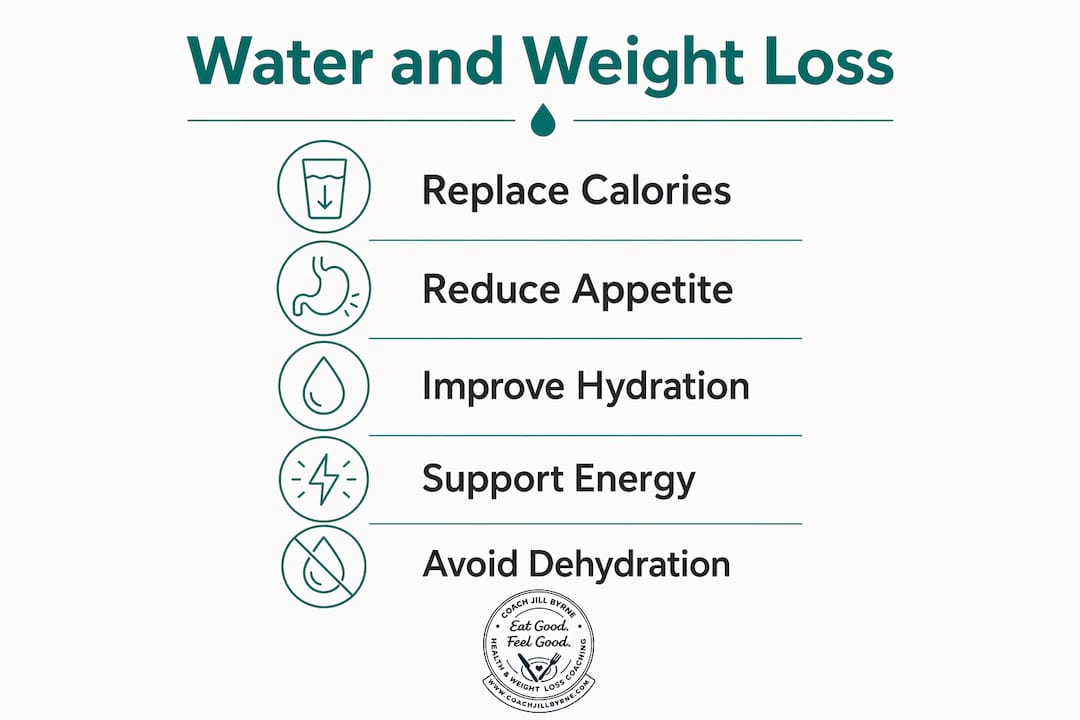
Clinical research shows that pre-meal water intake reduces meal calories by approximately 75 to 90 kcal per sitting. Across three meals a day, that reduction adds up to 225 to 270 fewer calories consumed without any sense of deprivation. The timing and volume matter. Drinking approximately 500 ml (about 17 oz) roughly 30 minutes before a meal gives the water time to reach the stomach and trigger stretch receptors before you start eating.
There are a few nuances worth knowing before you rely on this strategy:
The fullness signal from water fades within 20 to 40 minutes, so drinking too far in advance reduces the effect.
Cold water empties from the stomach faster than room-temperature water, which may shorten the satiety window.
The effect is stronger in older adults because gastric emptying slows with age, extending the fullness signal.
Pre-meal water works best when combined with a balanced nutrition approach rather than as a standalone tactic.
Pro Tip: Set a phone reminder 30 minutes before your two largest meals. Drink a full glass of water at that cue. After two weeks, the habit becomes automatic and the calorie reduction accumulates without conscious effort.
What are the common myths about water and metabolism?
The most persistent myth in weight loss is that drinking more water meaningfully speeds up your metabolism and burns fat. Studies do show a minor, temporary increase in resting metabolic rate after water ingestion, but the metabolic boost from water is small and short-lived. It does not produce meaningful fat loss on its own. Relying on this effect as a weight loss strategy leads to disappointment and misplaced effort.
A second common misconception is that water “flushes out” fat. Fat is metabolized through a series of biochemical reactions and ultimately exhaled as carbon dioxide. Water plays no direct role in accelerating that process. What water does do is support the systems that make fat metabolism possible, including digestion, energy production, and kidney function.
Here is what the evidence actually supports regarding hydration and weight management:
Hydration supports energy levels, cognitive clarity, and mood, all of which improve your ability to stick to a weight loss plan.
Adequate water intake supports digestion and reduces constipation, which can affect how you feel during a calorie deficit.
Mild dehydration impairs self-control and decision-making, making it harder to resist high-calorie foods.
Excessive water intake can cause bloating and discomfort, which is counterproductive and unnecessary.
The practical takeaway is that water’s value in weight loss is indirect and behavioral. It works because it displaces calories, supports fullness, and keeps your body functioning well enough to stay consistent. That is a meaningful contribution, but it is not a metabolic shortcut.
Practical ways to use water intake for weight loss
Applying hydration strategically within your daily routine produces better results than simply drinking more water without changing other behaviors. Consistent hydration habits that replace caloric drinks are more effective than increasing water volume alone. The following steps translate the research into a repeatable daily practice.
Drink water before every meal. Aim for 500 ml about 30 minutes before your two largest meals. This is the single highest-impact hydration habit for reducing calorie intake.
Replace one sugary drink per day with water. Start with the beverage you consume most habitually, whether that is a morning juice, an afternoon soda, or a sweetened coffee. One substitution creates immediate calorie savings.
Eat water-rich foods regularly. Daily water needs are partly met through food, with fruits and vegetables contributing about 20% of total fluid intake. Cucumbers, watermelon, celery, and strawberries hydrate while adding fiber and nutrients.
Adjust for activity and climate. If you exercise, work outdoors, or live in a hot climate, your fluid needs increase. Mild dehydration in these conditions impairs hunger control and energy, which directly undermines weight loss efforts.
Check hydration when cravings spike. Thirst and hunger signals overlap in the brain. Before reaching for a snack, drink a glass of water and wait 10 minutes. If the craving fades, it was thirst, not hunger.
Track your beverage calories for one week. Most people underestimate how many calories come from drinks. A single week of logging reveals where the largest substitution opportunities exist, which makes behavior change more targeted and effective.
Pairing these habits with a sustainable weight loss plan produces compounding results over time. Hydration alone will not replace calorie awareness or food quality, but it removes friction and supports every other healthy behavior you are building.
Key takeaways
Water supports weight loss most effectively when it replaces caloric beverages and is consumed before meals to reduce appetite, not because it burns fat or significantly boosts metabolism.
Point | Details |
Calorie displacement | Replacing one daily sugary drink with water can save 300 to 600 kcal per day. |
Pre-meal hydration | Drinking 500 ml of water 30 minutes before meals reduces meal intake by 75 to 90 kcal. |
Metabolism myths | Water produces only a minor, temporary metabolic increase. It does not directly burn fat. |
Indirect benefits | Hydration supports energy, digestion, and self-control, all of which improve diet adherence. |
Behavior over volume | Consistent substitution of caloric drinks with water matters more than total water volume. |
My honest perspective on water and weight loss coaching
I have worked with clients who arrived convinced that drinking more water would accelerate their fat loss on its own. They were tracking ounces, carrying gallon jugs, and still not seeing results. The reason is straightforward: they were adding water without removing anything. Water works when it replaces something else, specifically the sweetened beverages that were quietly adding 400 to 600 calories to their day.
The clients who see the clearest results from hydration changes are the ones who audit their drinks first. A morning orange juice, an afternoon sports drink, and an evening glass of wine can easily account for 600 to 800 calories. Swapping two of those for water creates a meaningful deficit without touching a single meal. That is a realistic, sustainable change that does not require willpower or a new meal plan.
Where I push back on conventional advice is the idea that everyone needs eight glasses a day. Your actual needs depend on your size, activity level, and what you eat. A client eating a diet rich in vegetables and fruit needs less water from a glass than someone eating mostly processed food. Use your energy levels and urine color as practical guides rather than a fixed number. Pale yellow means you are hydrated. Dark yellow means drink more. That is a more useful signal than any formula.
If you find yourself hungry between meals more often than expected, check your hydration before adjusting your food intake. Mild dehydration mimics hunger reliably enough that it is worth ruling out first. This single habit check has helped many of my clients reduce unnecessary snacking without feeling restricted.
— Coach Jill
Ready to build a hydration habit that actually supports your goals?
Understanding why water intake affects weight loss is the first step. Applying it consistently within a personalized plan is where real results come from. Coachjillbyrne offers one-on-one nutrition coaching that integrates practical hydration strategies with sustainable eating habits, portion guidance, and accountability support tailored to your lifestyle.

Whether you are just starting out or looking to break through a plateau, personalized coaching removes the guesswork and builds the habits that last. Explore how Coachjillbyrne can support your weight management goals with a customized coaching program designed around real food, realistic expectations, and consistent progress.
FAQ
Does drinking water actually help you lose weight?
Yes. Replacing sugary drinks with water reduces daily calorie intake, and drinking water before meals reduces how much you eat at each sitting. These behavioral effects produce measurable weight loss over time.
How much water should you drink before a meal to reduce appetite?
Research supports drinking approximately 500 ml (about 17 oz) of water roughly 30 minutes before a meal. This volume activates stomach stretch receptors and can reduce meal calorie intake by 75 to 90 kcal per sitting.
Does water boost metabolism and burn fat?
Water produces only a small, temporary increase in resting metabolic rate. The metabolic effect is not significant enough to drive fat loss on its own, and water does not directly break down fat tissue.
Can dehydration make weight loss harder?
Yes. Mild dehydration impairs self-control, energy, and hunger regulation, all of which make it harder to follow a consistent eating plan. The Mayo Clinic confirms that hydration supports cognitive function and mood, both of which affect dietary adherence.
What is the best way to use water as part of a weight loss plan?
The most effective approach combines pre-meal water consumption with replacing high-calorie beverages. Adding water-rich foods like fruits and vegetables to your diet also contributes to total fluid intake while supporting satiety and nutrition.
Recommended
Comments