
Start Clean Eating for Beginners: One Meal to Hit Protein and Fiber
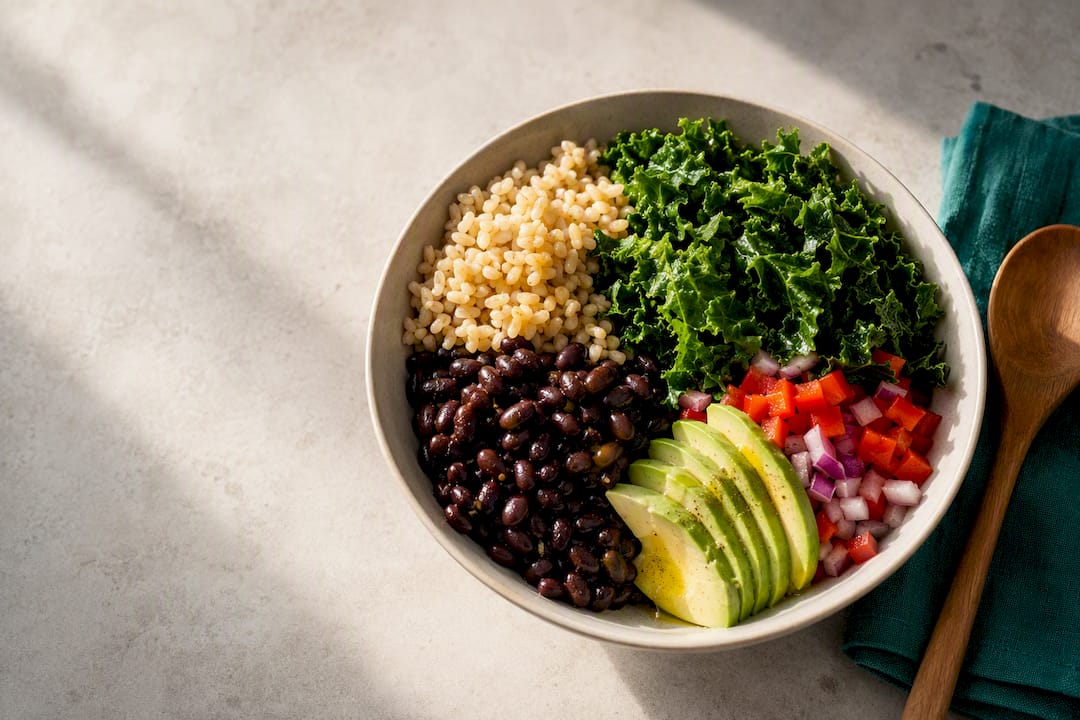
Clean eating means choosing whole or minimally processed foods over ultra-processed ones. The single best first step: pick one meal today and build it entirely from whole foods. Aim for sufficient protein and fiber daily as part of a balanced diet, but skip rigid rules. Rigid restriction backfires more often than it helps.
TL;DR:
Most beginners should focus on swapping one meal a day to whole foods and gradually adding fiber and protein over three weeks to establish sustainable habits.
Shopping around the perimeter of the store and reading ingredient lists carefully helps differentiate genuinely clean foods from heavily processed or falsely labeled products.
Gradually increasing fiber intake by about five grams every few days prevents digestive discomfort, with water intake increasing alongside fiber to promote healthy digestion.
Rigidly restricting foods or strict rules can lead to unhealthy fixation or social eating issues, so building flexibility and enjoying treats is crucial for long-term success.
Prioritizing simple, nutritious meals centered on vegetables, lean proteins, full grains, and healthy fats produces better adherence than attempting to overhaul diets overnight.
Table of Contents
What Does Clean Eating Actually Mean?
Clean eating isn’t a diet with a rulebook. It’s a pattern that favors food closer to its natural state: vegetables, fruit, whole grains, lean protein, and healthy fats, over items engineered for shelf life and cravings. No official body regulates the term, which is exactly why beginners get confused by marketing claims plastered on boxes at the grocery store.
The CDC’s healthy eating guidance offers a more useful anchor than any packaging claim: build meals around whole, nutrient-dense foods, and limit added sugars and sodium. That framing strips away the hype and gets to what actually moves the needle.
Four guidelines cover most of what you need to know starting out:
Prioritize vegetables and fruit at most meals, aiming for variety in color and type.
Choose whole grains (oats, brown rice, quinoa) over refined versions like white bread or sugary cereal.
Build meals around lean protein sources such as chicken, fish, eggs, beans, or tofu.
Include healthy fats like olive oil, avocado, and nuts, while limiting added sugar and ultra-processed snacks.
These four points echo what you’ll find across major health institutions, including Harvard’s Nutrition Source, which frames clean eating as a useful mindset rather than a strict checklist. Consistency with these basics matters more than perfection on any single day.
How Do You Start Eating Clean Without Overhauling Everything?
Trying to fix every meal on day one is the fastest way to quit by day four. Change one meal or one habit at a time, and let it become automatic before adding the next.
Here’s a sequence that works for most beginners:
Week 1: Swap one meal a day for a whole-foods version. Sugary cereal becomes rolled oats with berries; soda becomes seltzer with a splash of fruit juice.
Week 2: Add protein and fiber to every meal. A plate with grilled chicken, roasted vegetables, and brown rice keeps you fuller longer than one built around refined carbs alone.
Week 3: Start planning meals a few days ahead. Repeat two or three dinners you already like so grocery shopping gets simpler.
Week 4: Batch-cook a protein and a grain on Sunday, then mix them with different vegetables through the week.
Shop the perimeter of the store first, where produce, dairy, and fresh proteins live, before heading into the packaged-food aisles. That habit alone cuts down on impulse buys of processed snacks.
Pro Tip: Pair a new habit with one you already do automatically, like prepping your coffee. Set out oats and berries the night before, right next to the coffee maker, so breakfast becomes as automatic as your morning brew.
Beginners who focus on gradual clean eating swaps stick with the pattern longer than those who try to eliminate every processed food at once, according to Healthline’s clean eating guidance.
What Does a Sample Clean Eating Meal Plan Look Like?
Dietitian-designed beginner plans commonly target calorie ranges typical for most adults, with protein and fiber amounts to support satiety, according to EatingWell’s clean-eating meal plan. Those numbers aren’t fixed law. They’re a starting template you adjust based on your size, activity level, and goals.
A simple one-day template that lands near those targets:
Breakfast: Greek yogurt with berries, a tablespoon of chia seeds, and a drizzle of honey.
Lunch: Grilled chicken over mixed greens with chickpeas, cherry tomatoes, and olive oil dressing.
Dinner: Baked salmon, roasted sweet potato, and steamed broccoli.
Snacks: An apple with almond butter, or carrots with hummus.
That combination provides a balanced meal with protein and fiber amounts supportive of fullness, depending on portion sizes. If you need more calories for activity level or body size, add a half-cup more grain at dinner or a second snack. If you need fewer, trim the grain portion rather than skipping protein or vegetables. A realistic weight-loss nutrition plan scales the same way: adjust portions, not the structure.
How Do You Shop and Read Labels for Clean Eating?
Reading a nutrition label takes ten seconds once you know what to check: ingredient list length, added sugar, and sodium. A short ingredient list of recognizable words beats a long one full of additives you can’t pronounce, and that single habit does more to protect your food choices than any “clean” label on the front of the box.
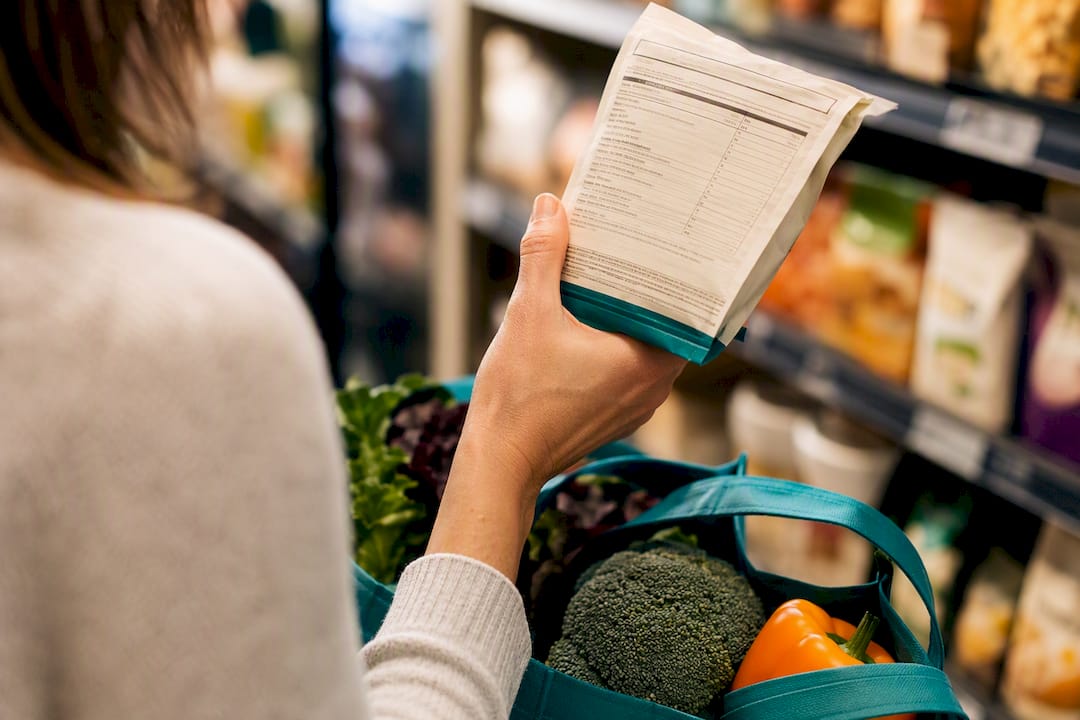
Statistic Callout: Harvard’s Nutrition Source points out that “clean” is an unregulated marketing term, meaning a product can be labeled that way while still containing significant added sugar or sodium. Ingredient-list literacy is your actual defense.
A compact shopping list keeps this manageable:
Pantry: rolled oats, brown rice, quinoa, canned no-salt beans, olive oil.
Protein: eggs, chicken breast, canned tuna or salmon, Greek yogurt.
Produce: whatever’s in season, plus frozen vegetables for backup.
Extras: nuts, seeds, avocado.
Frozen and canned staples aren’t a downgrade. They’re often just as nutritious as fresh and considerably cheaper, per Healthline’s practical clean eating tips.
What Pitfalls Should Beginners Watch For?
Because “clean eating” carries no legal definition, some brands use it purely as a marketing hook. Taken too far, the pursuit of dietary purity can tip into orthorexia, an unhealthy fixation on food rules that Harvard’s Nutrition Source specifically flags as a risk.
Watch for these warning signs:
Feeling anxious or guilty after eating something “impure.”
Cutting out entire food groups without a medical reason.
Avoiding social meals because you can’t control every ingredient.
Build flexibility in from day one: schedule a treat instead of banning it, and treat one imperfect meal as neutral, not a failure. A healthy relationship with food matters more long term than any single day of eating.
How Do You Stay Consistent When Eating Out or on a Budget?
Consistency beats intensity. A few habits carry most of the weight:
Buy frozen vegetables and bulk dried legumes to cut produce costs without sacrificing nutrition.
Choose cheaper protein sources like eggs and canned fish over pricier cuts of meat.
At restaurants, build your plate around vegetables and lean protein, and ask for sauces or dressings on the side.
Pack portable snacks, like nuts or fruit, for travel days, and keep a water bottle within reach to avoid mistaking thirst for hunger.
Holiday travel and vacation days test these habits the most; a practical guide to eating healthy while traveling offers useful strategies for staying on track without missing out on the trip itself.
How Coach Jill Helps You Apply These Principles
Coaching turns a list of guidelines into a sequence you actually follow. Coach Jill Byrne works with clients to introduce swaps one at a time, build meal templates around protein and fiber targets, and set portion guidance that fits real schedules. Some clients use structured check-ins and behavior strategies to keep momentum. That kind of accountability, paired with trackable habit changes, is often the difference between a plan that lasts a week and one that lasts a year.
How Do You Increase Fiber and Water Intake Without Digestive Discomfort?
Ramping up fiber too fast is the most common mistake beginners make when they load up on vegetables, beans, and whole grains overnight. Bloating, gas, and cramping usually follow, not because whole foods are bad for you, but because your gut needs time to adjust to the new volume.
Increase fiber gradually, adding about 5 grams every few days rather than jumping straight to 32 grams. Start by adding one high-fiber food per meal, a half-cup of beans at lunch, an extra vegetable at dinner, chia seeds stirred into breakfast, and hold that for several days before adding another.
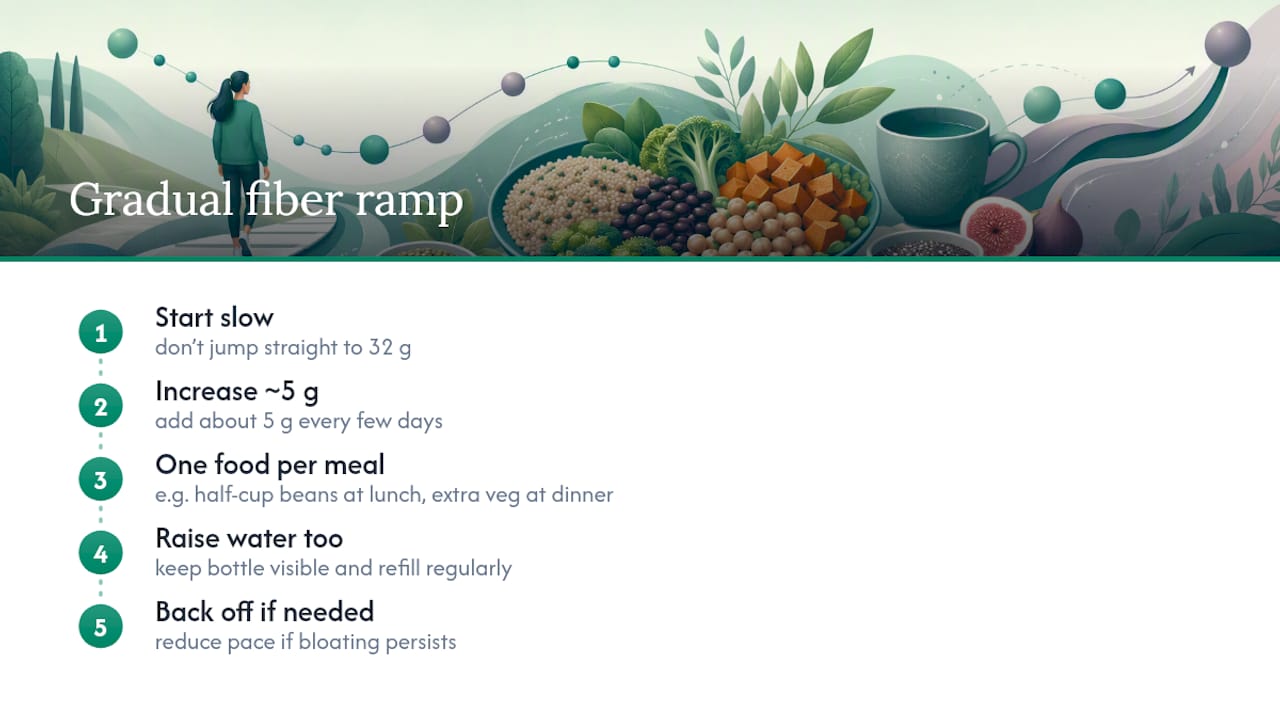
Water intake needs to rise alongside fiber, since fiber pulls water into the digestive tract to keep things moving. Without enough fluid, added fiber can make constipation worse instead of better. Harvard Health’s hydration guidance points to water and unsweetened beverages as the default choice, with sugary drinks limited.
A practical target: keep a water bottle visible at your desk or in your bag, and refill it at set points during the day rather than waiting until you feel thirsty. If you notice persistent bloating despite gradual increases, back off slightly and give your gut more time before adding the next high-fiber food. This isn’t a sign clean eating “doesn’t work” for you. It’s a sign your pace needs adjusting, not your plan.
Clean Eating for Beginners: What Actually Matters First
The conventional advice on clean eating spends too much time on purity and not enough on sequence. Most guides list every rule at once, vegetables, whole grains, lean protein, no added sugar, no refined carbs, and expect a beginner to absorb it all in one sitting. That’s backwards. The research on adherence is clear: small, sequential swaps stick. Sweeping overhauls don’t.
What’s overrated: chasing a perfectly “clean” pantry from week one. What’s underrated: hitting a basic protein and fiber target consistently, even if the rest of your plate isn’t flawless. Satiety, not restriction, is what keeps people at the table for the long run.
If you take one thing from this guide, prioritize the swap-and-target approach over any all-or-nothing mindset. Build one meal at a time. Watch for the warning signs of rigid thinking creeping in. And treat coaching or structured accountability as a tool for sequencing changes, not a substitute for the habits you build yourself.
— Coach Jill
Sources
The CDC offers public-health-grounded eating tips. Harvard’s Nutrition Source covers the marketing risks and orthorexia caution. EatingWell provides a dietitian-built sample meal plan with protein and fiber targets. Mayo Clinic Health System adds an accessible clinical view on whole-food patterns.
FAQ
Are Potatoes Part of Clean Eating?
Yes. Potatoes are a whole food rich in potassium and fiber, especially with the skin on; the concern is usually the frying oil and added salt in preparations like chips or fries, not the potato itself.
Is Pasta Part of Clean Eating?
Whole-grain pasta fits comfortably within clean eating guidelines, particularly when paired with vegetables and lean protein; refined white pasta isn’t off limits but works best as an occasional choice rather than a daily staple.
Is Greek Yogurt Considered Clean Eating?
Plain Greek yogurt qualifies as a clean eating staple thanks to its short ingredient list and high protein content; flavored varieties with added sugar move further from the whole-foods definition, so check the label.
What Happens to Your Body When You Start Eating Clean?
Many people notice steadier energy and improved digestion within the first couple of weeks as added sugar and processed foods decrease and fiber and protein intake rise. Adjust fiber gradually and drink enough water to avoid digestive discomfort during that transition.
Recommended
Comments