
0.7–1.2 g/lb Protein: Calories First Macros for Fat Loss, Jill Byrne
For fat loss, the order of operations is calories, then protein, then fat, then carbs. Start with a moderate calorie deficit below your maintenance calories, lock protein to 0.7 to 1.2 grams per pound of body weight (1.6 to 2.2 g/kg), set a fat floor around 0.5 to 1.0 g/kg (roughly 20% of calories), and let carbohydrates fill whatever remains. The math below walks through each step.
TL;DR:
Proper macro calculation begins with estimating your basal metabolic rate using the Mifflin-St Jeor equation, then adjusting for activity level to determine TDEE.
Set protein intake between 0.7 and 1.2 grams per pound of body weight to preserve lean mass and support appetite control during fat loss.
Maintain a fat intake of at least 0.5 grams per kilogram of body weight or about 20% of total calories to support hormonal function and vitamin absorption.
Carbohydrate intake should fill remaining calories after setting protein and fat targets, adjusting dynamically with training volume and energy needs.
Consistency and personalized coaching are critical to sustaining macro ratios over time, with tools like food scales and tracking apps helping improve accuracy and adherence.
Table of Contents
How Do You Calculate Macros for Fat Loss?
Getting your macronutrient breakdown for weight loss right starts with a number most people skip: your basal metabolic rate. This is the energy your body burns at complete rest, and the Mifflin-St Jeor equation remains the most reliable way to estimate it without lab equipment.
For men: BMR = (10 × weight in kg) + (6.25 × height in cm) − (5 × age) + 5 For women: BMR = (10 × weight in kg) + (6.25 × height in cm) − (5 × age) − 161
Once you have BMR, multiply it by an activity factor to get your Total Daily Energy Expenditure (TDEE), which is what you actually burn in a day.
Sedentary (little or no exercise): BMR × 1.2
Lightly active (light exercise 1 to 3 days a week): BMR × 1.375
Moderately active (moderate exercise 3 to 5 days a week): BMR × 1.55
Very active (hard exercise 6 to 7 days a week): BMR × 1.725
TDEE is your maintenance number. Fat loss requires eating below it, but how far below matters more than most dieters realize. Cutting 40% or more usually backfires: energy crashes, cravings spike, and workouts suffer, which is why extreme deficits so often end in a binge cycle rather than a finish line.
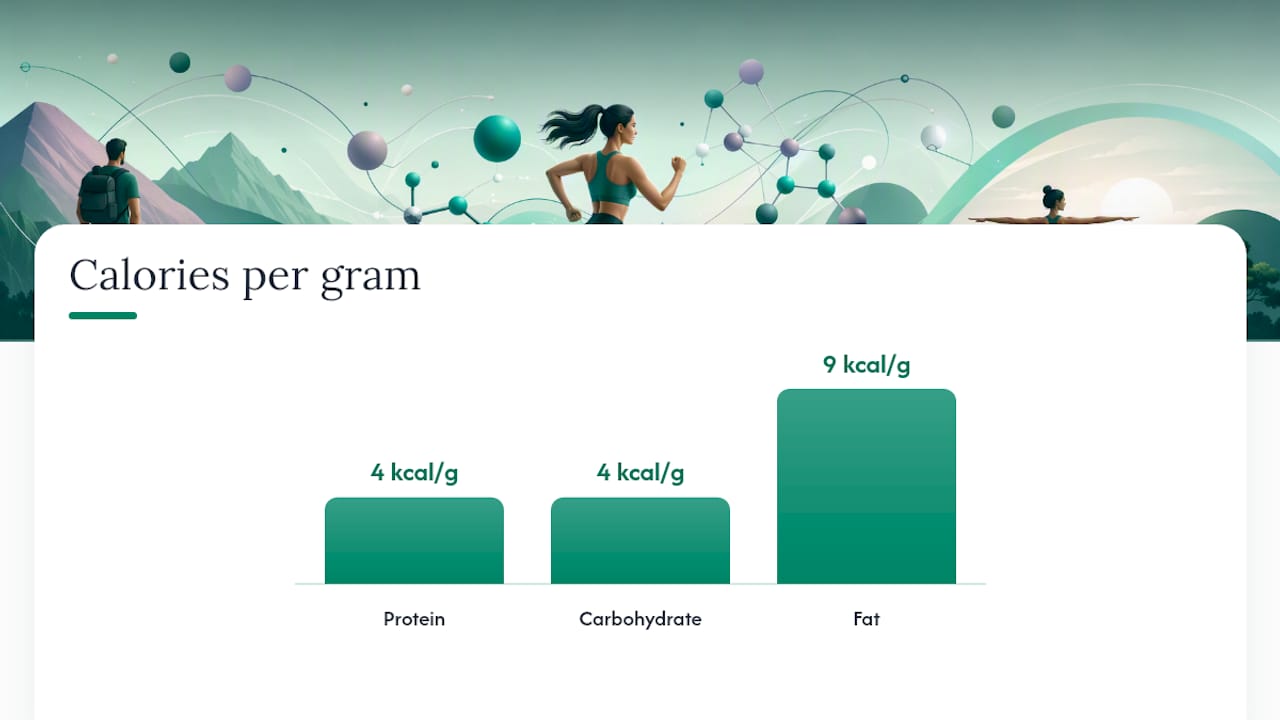
Once your target calories are set, protein comes next, not last. Multiply your protein gram target by 4, your fat gram target by 4 (wait, fat is 9, more below), and carbs by 4. Here is the actual conversion table using the standard energy values from the Dietary Guidelines for Americans:
Macronutrient | Calories per gram | Role in the calculation |
Protein | 4 kcal/g | Set first, as a fixed gram target |
Carbohydrate | 4 kcal/g | Fills whatever calories remain |
Fat | 9 kcal/g | Set as a floor, not a remainder |
Here is the sequence in practice: subtract your protein calories and your fat floor calories from your total calorie target. Whatever is left over becomes your carbohydrate allowance, divided by 4 to get grams. This single step is where most macro ratios for weight loss go wrong. People pick a percentage split first, like 40/30/30, and back into gram targets that often shortchange protein for anyone above average body weight. Setting the protein gram target first, independent of percentages, fixes that problem before it starts.
What Is the Best Protein Target for Fat Loss?
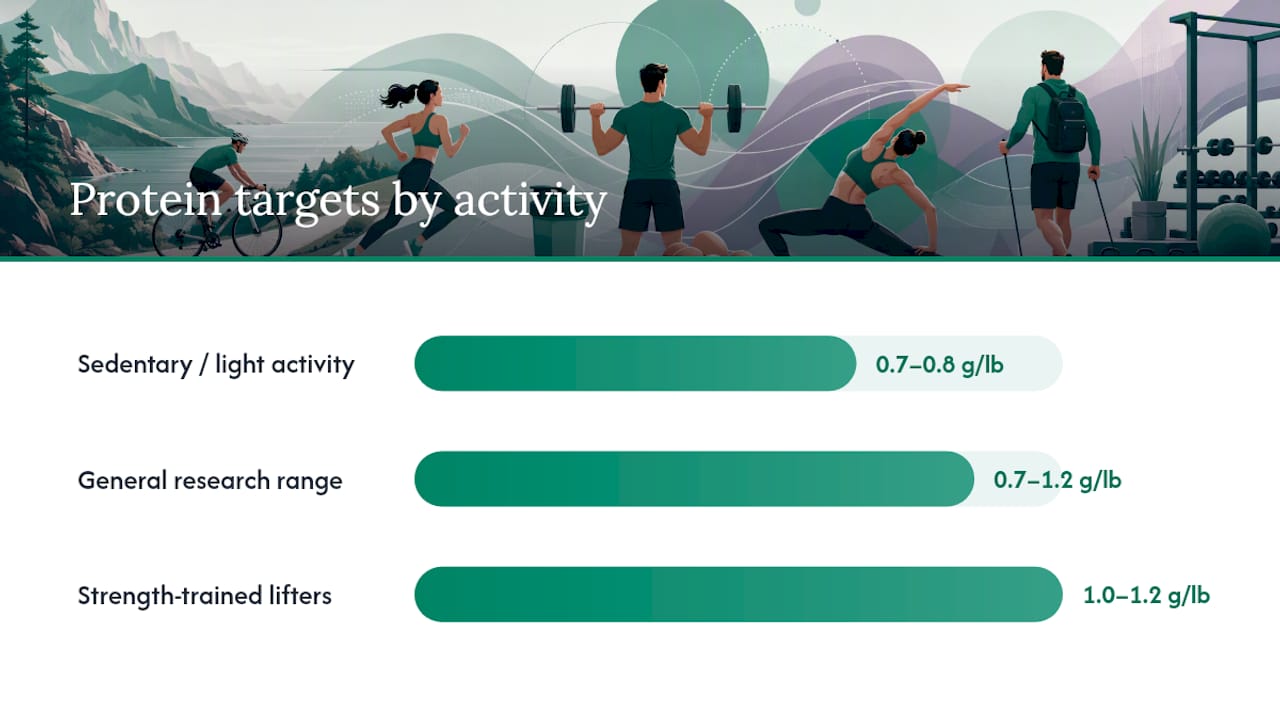
Protein is not one leg of a three-legged stool. It is the priority, and the research backs that up clearly. Diets supplying 0.7 to 1.2 grams of protein per pound of body weight (1.6 to 2.2 g/kg) consistently protect lean mass better than lower-protein diets running the same calorie deficit, according to research reviewed on lean mass preservation. That range also does double duty on appetite: protein is more satiating gram for gram than carbs or fat, so hitting the higher end tends to make the deficit itself feel less brutal.
Diets in the higher end of that range, often approaching 30 to 40% of total calories for people who train regularly, show up repeatedly in guidance on protein and weight loss as the sweet spot for preserving muscle during a cut.
Which end of the range you land on depends on two things: how much you train, and how much weight you are carrying.
Strength-trained lifters cutting hard should aim toward 1.0 to 1.2 g/lb, since resistance training increases the muscle-protective benefit of higher intake.
Sedentary or lightly active dieters can often do well at 0.7 to 0.8 g/lb without sacrificing results.
Anyone with a significant amount of weight to lose should calculate protein from a goal or adjusted body weight rather than current weight. Cleveland Clinic’s guidance notes this avoids setting an unrealistically high gram target that nobody actually sustains.
GLP-1 medication users need extra attention here, because appetite suppression can make hitting any protein number harder, not easier. Prioritizing protein at the start of each meal, before anything else on the plate, becomes essential rather than optional.
Hitting the number daily is less about willpower and more about a system. Divide your total protein target across 3 to 4 meals rather than trying to eat it all at dinner. Build each plate with protein first: a fist-sized portion of chicken, fish, eggs, Greek yogurt, or cottage cheese before adding starch or vegetables. Lean proteins like these carry the most grams per calorie, which matters when your total calorie budget is already tight.
Pro Tip: Keep two or three “protein anchors” on hand at all times, like a rotisserie chicken, a tub of Greek yogurt, and a bag of frozen shrimp. When a day gets chaotic, you still hit your number without having to think.
How Much Fat and Carbs Should You Eat?
Fat is not the enemy in a fat loss macro ratio, and dropping it too low backfires. A practical floor of 0.5 to 1.0 g/kg of body weight, or roughly 20% of total calories, supports hormone production and helps your body absorb fat-soluble vitamins, according to MyFitnessPal’s breakdown of macro ratios for weight loss. Go meaningfully below that floor for an extended stretch and you risk low energy, disrupted hunger signals, and for some people, hormonal side effects that make the whole diet harder to sustain.
Carbohydrates are the genuinely flexible piece of the puzzle; once protein and the fat floor are locked, carbs simply absorb whatever calories are left. That flexibility is a feature, not a compromise. It means your carb intake can and should move with your training volume.
High-volume training weeks call for more carbs to fuel performance and recovery, since carbohydrate is the primary fuel for higher-intensity effort.
Sedentary days or deload weeks are the right time to shift some of that carb allowance toward fat instead, since the energy demand for glycogen replenishment drops.
If you personally feel better satiated on higher fat with lower carbs, that preference is valid as long as protein and the fat floor stay intact. There is no metabolic requirement for carbs beyond what your brain and high-intensity training demand.
Periodic refeeds, a day or two at maintenance calories with carbs pushed higher, can help some dieters resensitize to the deficit and reset appetite hormones before a plateau sets in.
Sample Macro Calculations for Three Activity Levels
Numbers land differently once you see them worked all the way through. Here are three full walkthroughs, from calorie estimate to final grams.
Sedentary office worker, 160 lbs (72.6 kg), TDEE estimated at 2,000 kcal. A 20% deficit brings target calories to 1,600. Protein set at 0.8 g/lb. Fat floor set at about 25% of calories. Remaining calories become carbs, divided by 4 to get grams.
Moderately active exerciser, 180 lbs (81.6 kg), TDEE estimated at 2,400 kcal. A 20% deficit brings target calories to 1,920. Protein set at 1.0 g/lb. Fat floor set at about 25% of calories. Remaining calories become carbs, divided by 4 to get grams.
Resistance-trained lifter, 200 lbs (90.7 kg), TDEE estimated at 2,800 kcal. A 15% deficit (chosen lower because heavy training needs more fuel) brings target calories to 2,380. Protein set at 1.1 g/lb. Fat floor set at about 25% of calories. Remaining calories become carbs, divided by 4 to get grams.
Profile | Calories | Protein | Fat | Carbs |
Sedentary, 160 lbs | 1,600 kcal | 128 g | 44 g | 172 g |
Moderately active, 180 lbs | 1,920 kcal | 180 g | 53 g | 180 g |
Resistance-trained, 200 lbs | 2,380 kcal | 220 g | 66 g | 225 g |
Notice the percentages land in different places for each person even though the method never changes. That is the entire point of a calories-first, protein-first approach: the ratio is a result of your numbers, not a formula copied from someone else’s plan. A small adjustment, say shifting the deficit by 100 to 150 kcal because the scale has not moved in two weeks, changes the carb column only, since protein and the fat floor stay fixed.
What Tools Help You Track Macros for Fat Loss?
A tracking app removes the guesswork from macronutrients for fat loss, but only if you use it consistently rather than perfectly. Log meals for a few weeks using a database like USDA FoodData Central as your reference point for accuracy, since restaurant and branded entries in consumer apps can be off by a wide margin. A digital food scale, even a $15 model, closes that gap fast: eyeballing “6 ounces of chicken” is notoriously unreliable compared to weighing it.
Weigh high-calorie-density foods (oils, nut butters, cheese) since small volume errors there cause the biggest calorie miscounts.
Judge progress by a rolling 7-day average weight, not a single morning number, since water retention and digestion swing daily weight by two to four pounds easily.
On days without a scale or app, use the plate method: a palm of protein, a fist of carbs, a thumb of fat, and the rest of the plate in vegetables.
Recalculate your targets after any change of 10 pounds or more, after two to three weeks with zero movement on the weekly average, after a training program change, or after starting or adjusting a GLP-1 medication.
Pro Tip: Weigh yourself the same time of day, same conditions, four to five days a week, and only look at the weekly average. Daily fluctuations are noise; the trend line is the signal.
How Coach Jill Byrne Makes Macros Sustainable
The math above gets you a number. Living with that number every day for months is a different challenge, and it is where most macro plans quietly fall apart. Coach Jill Byrne builds habit-based coaching around exactly that gap: simple meal patterns, portion control tactics that make hitting protein targets automatic rather than effortful, and real food swaps (Greek yogurt instead of regular, an extra egg instead of an extra ounce of cheese) that quietly raise protein density without adding complexity.
Coaching also solves the troubleshooting problem. When intake drops, weight stalls, or a plateau shows up, having someone review the pattern beats guessing. For clients using GLP-1 medications, the priorities shift again: protein at the very start of each meal matters more when appetite is suppressed, fat tolerance often drops, and smaller, more frequent meals usually work better than three large ones. Coach Jill Byrne’s guidance on muscle loss risk for GLP-1 users addresses this directly, since preserving lean mass matters even more when appetite and calorie intake are both reduced by medication.
Why Consistency Beats a Perfect Ratio
The macro debate online treats ratios like a competition to find the one true split. That misses what actually predicts results: long-term compliance beats a theoretically ideal ratio a client cannot sustain past week three. A 35/30/35 split you follow for four months will outperform a 40/40/20 split you abandon in ten days, every time.
Use the worked examples above as a starting point, not a rulebook carved in stone. Adjust the deficit, shift carbs toward fat if that is what keeps you satisfied, and expect to recalculate as your weight and activity change. If the math feels like one more thing to manage on top of an already full life, that is exactly the gap guided coaching is built to close.
— Coach Jill
Get Personalized Macro Coaching From Coach Jill Byrne
Calculating your own macros gets you a starting number. Staying accountable to it for the months it actually takes to see change is the harder part, and it is exactly where most people trying this alone lose momentum. Coach Jill Byrne closes that gap with personalized macro setup built around your real food preferences, ongoing meal planning support, and habit coaching that adjusts as your weight, training, and life change.

Clients working through adherence struggles, GLP-1 medication users needing per-meal protein strategy, and busy people who need structure more than another spreadsheet all benefit from this kind of direct support. Unlike a static plan you calculate once and forget, coaching adapts week to week based on what is actually happening on your plate. Ready to get your macros set correctly and stay accountable to them? View Coach Jill Byrne’s Unlimited coaching plans and pick the timeframe that fits where you are starting from.
Sources
The recommendations above draw on NASM’s protein guidance for weight loss, Cleveland Clinic’s protein and weight-loss guidance, MyFitnessPal’s carb/protein/fat breakdown, the Dietary Guidelines for Americans, and a lean mass preservation review. For food composition data while tracking, USDA FoodData Central is the most reliable reference, and for practical eating consistency while traveling, Wild Foodz’s guide to eating healthy on holiday offers useful tactics.
This article is general information, not a substitute for advice from a qualified doctor. Consult a qualified healthcare professional about your own circumstances before acting on anything here.
FAQ
What Macro Ratio Is Best for Fat Loss?
There is no single best percentage split; the ratio should come from gram targets, not the other way around. Set protein at 0.7 to 1.2 g/lb (1.6 to 2.2 g/kg) per NASM’s guidance, a fat floor near 20 to 25% of calories, and let carbs fill the rest.
Is a 40/30/30 Macro Split Good for Fat Loss?
A 40% protein, 30% fat, 30% carb split can work well for some people, especially those training regularly, but it is not universal. Whether it fits depends on your body weight and activity level, since the same percentages produce very different gram totals for a 130-pound and a 220-pound person.
How Do I Figure Out My Macros for Fat Loss?
Calculate your BMR with the Mifflin-St Jeor equation, multiply by an activity factor for TDEE, then apply a 15 to 25% deficit.
Is a 50/30/20 Macro Split Good for Fat Loss?
Check the actual protein grams against the 0.7 to 1.2 g/lb range before assuming the percentages alone tell the full story.
Does Coach Jill Byrne Help Set Up a Personalized Macro Plan?
Yes, Coach Jill Byrne provides personalized macro setup alongside meal planning and habit-based accountability coaching, including specific support for GLP-1 medication users. Current pricing for the Unlimited coaching plans is available on the pricing page.
Recommended
Comments