
Best Energy-Boosting Foods for Your Daily Routine
- 7 hours ago
- 12 min read

A simple daily blueprint works: eat protein, complex carbs, and healthy fats together every 3–4 hours, drink water consistently, and build each meal around whole foods. That structure, backed by USDA MyPlate, Harvard T.H. Chan School of Public Health, and the coaching principles at Coachjillbyrne, produces steady energy without the crashes that follow sugary drinks or skipped meals.
Your one-day blueprint to start tomorrow:
7:00 AM Breakfast: Oats with Greek yogurt, berries, and a handful of almonds
10:00 AM Snack: Banana with a small nut butter packet or hard-boiled egg
12:30 PM Lunch: Whole-grain wrap with leafy greens, avocado, and grilled salmon or beans
3:00 PM Snack: Hummus with cucumber slices or cottage cheese with fruit
6:30 PM Dinner: Baked salmon or lentils with sweet potato and steamed kale
Top energy-supporting foods to keep on hand:
Bananas, oats, Greek yogurt, blueberries, strawberries
Spinach, kale, eggs, beans, lentils
Almonds, chia seeds, pumpkin seeds, salmon
Whole-grain bread, avocado, cucumber, kefir
Registered-dietitian guidance confirms that starting the day with a balanced breakfast combining protein and fiber helps stabilize blood sugar and prevent mid-morning crashes.
Key Takeaways
Consistent energy comes from pairing protein with complex carbs and healthy fats at every meal, eating every 3–4 hours, staying hydrated with water and water-rich foods, and limiting refined sugar and late caffeine.
Point | Details |
Protein at every meal | Slows digestion and stabilizes blood sugar; aim for at least 10 g per snack. |
Favor complex carbs | Oats, whole grains, and legumes provide sustained energy lasting 3–4 hours. |
Hydrate consistently | A 1–2% drop in body fluid causes fatigue; include water-rich foods like cucumber and kefir. |
Eat every 3–4 hours | Consistent meal timing restores hunger cues and prevents blood sugar dips. |
Seek clinical testing if needed | Persistent fatigue despite diet and sleep improvements may indicate iron, B12, or vitamin D deficiency. |
Table of Contents
How macronutrients, hydration, and meal timing actually change your energy
The core mechanism is straightforward. Protein, fiber-rich complex carbohydrates, and healthy fats slow digestion, which moderates the rate at which glucose enters the bloodstream. That moderation helps prevent rapid blood sugar spikes and drops associated with high-sugar meals. Sports dietitian Jordan Hill notes that adding protein to every eating occasion slows digestion and keeps blood sugar and hunger steadier throughout the day.
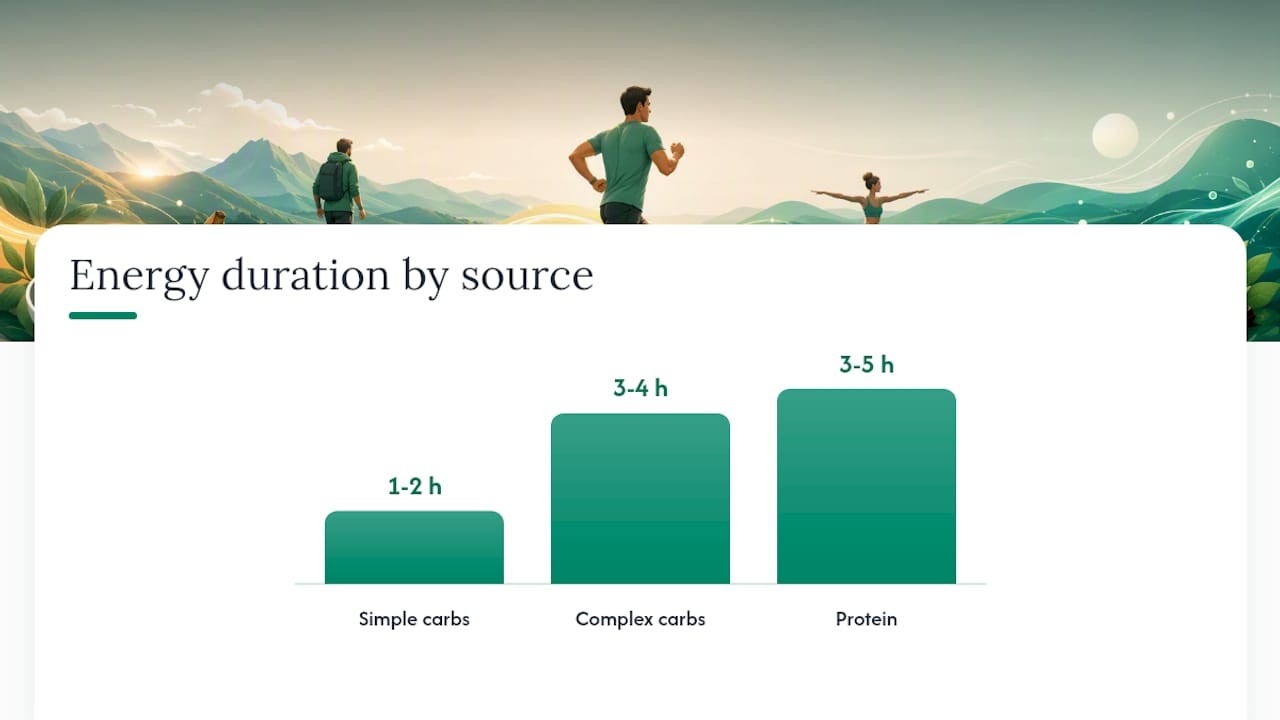
Simple carbohydrates (white bread, candy, juice) digest quickly and produce a fast glucose spike followed by a rapid drop. Complex carbohydrates like oats, quinoa, and whole-wheat bread digest more slowly and provide a steadier energy release. Pairing either type with protein and fat moderates the blood glucose curve further.
Hydration is a factor most people underestimate. The body is roughly 60% water, and even a 1–2% loss of body fluid impairs cognition and increases fatigue. Nutritionist Jaclyn London points out that mild dehydration is often misread as hunger; including water-rich whole foods such as kefir, yogurt, and cucumber supports cellular hydration alongside plain fluids.
Hydration stat: A 1–2% drop in body fluid is enough to cause measurable fatigue and cognitive decline — well before you feel thirsty.
Meal timing matters as much as food choice. Consistent eating intervals help restore hunger cues and regulate appetite; the Academy of Nutrition and Dietetics recommends eating until comfortably full and avoiding skipping the first meal. Gaps longer than 4–5 hours tend to produce the blood sugar dip that feels like an afternoon slump.
Energy source | Speed of effect | Duration of benefit | Best pairing |
Simple carbs (fruit juice, white bread) | Fast (15–30 min) | Short (1–2 hrs) | Add protein to extend |
Complex carbs (oats, whole grains) | Moderate (30–60 min) | Sustained (3–4 hrs) | Protein + healthy fat |
Protein (eggs, Greek yogurt, fish) | Slow (60+ min) | Long (3–5 hrs) | Complex carb for balance |
12 energy-boosting foods organized by time of day and prep effort
Breakfast boosters
1. Oats Oats deliver beta-glucan, a soluble fiber that slows glucose absorption and sustains energy through mid-morning. Cook a batch on Sunday and reheat in 90 seconds. Best for: morning. Speed: sustained. Prep: minimal.
2. Eggs Two eggs provide roughly 12 grams of protein and all nine essential amino acids. Hard-boil a half-dozen at the start of the week for grab-and-go use at breakfast or as a snack. Best for: morning or mid-afternoon. Speed: sustained. Prep: cook-ahead.
3. Greek yogurt Plain Greek yogurt offers around 17 grams of protein per 6-ounce serving and contributes to hydration through its water content. Pair it with berries for fiber and antioxidants. Best for: morning. Speed: sustained. Prep: grab-and-go.
4. Berries (blueberries, strawberries) Berries supply natural sugars alongside fiber and antioxidants, which moderates the glucose response compared to juice. Frozen berries work just as well as fresh and cost less. Best for: morning or snack. Speed: quick boost with sustained follow-through.
Mid-morning picks
5. Banana A medium banana provides fast-acting natural sugars plus potassium and vitamin B6, which supports energy metabolism. It pairs well with almond butter to add protein and slow the sugar release. Best for: mid-morning. Speed: quick boost. Prep: grab-and-go.
6. Nuts and seeds (almonds, chia, pumpkin seeds) Almonds deliver protein, magnesium, and healthy fats in a portable format. Chia seeds add omega-3s and fiber when stirred into yogurt or oats. Pumpkin seeds are one of the better plant sources of magnesium, a mineral tied to energy production. Best for: mid-morning or mid-afternoon. Speed: sustained. Prep: grab-and-go.
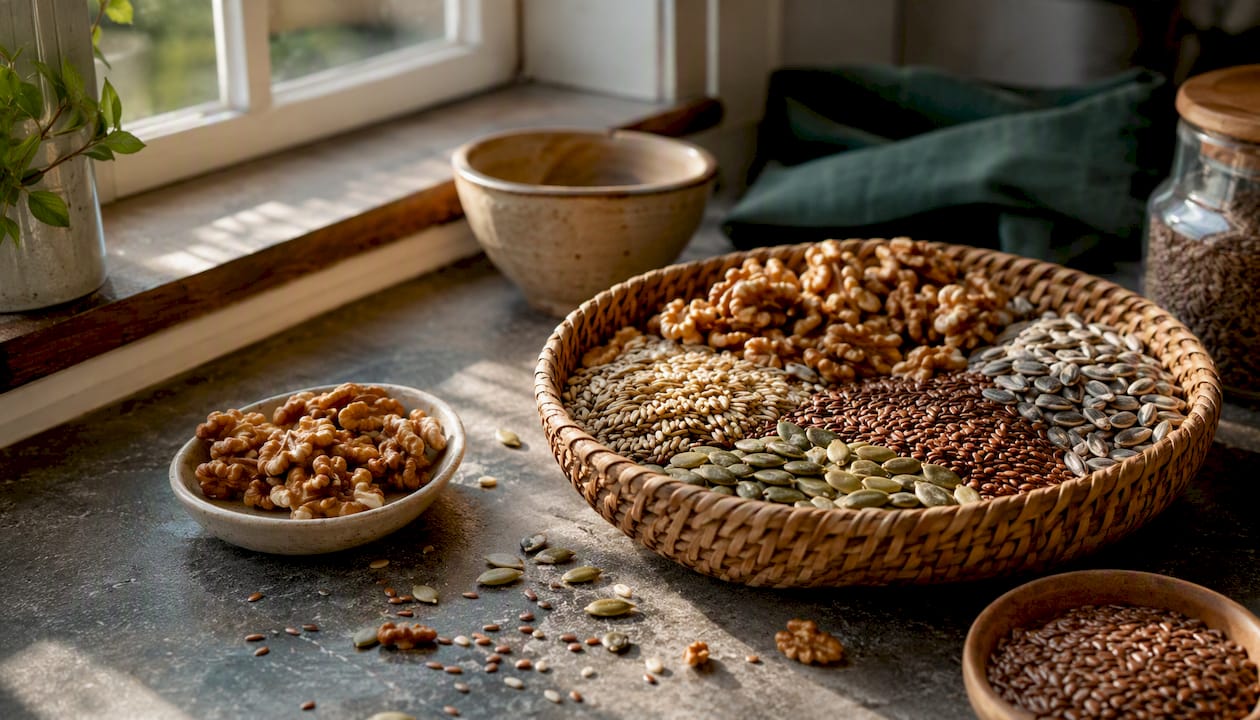
7. Whole-grain bread Whole-grain toast with nut butter or avocado provides complex carbs plus fat and protein. It digests more slowly than white bread and avoids the mid-morning crash that refined grains can trigger. Best for: mid-morning. Speed: sustained. Prep: minimal.
Pro Tip: Aim for at least 10 grams of protein per snack to optimize satiety between meals. A hard-boiled egg (6 g) plus ¾ cup Greek yogurt (13 g) easily clears that threshold.
Lunch and stable midday meals
8. Leafy greens (spinach, kale) Spinach and kale supply iron, folate, and magnesium. Iron carries oxygen to cells; low iron is one of the most common dietary causes of fatigue. Add a squeeze of lemon to boost iron absorption from plant sources. Best for: lunch or dinner. Speed: sustained (via micronutrient support). Prep: minimal.
9. Avocado Avocado provides monounsaturated fats and B vitamins, including B5 and B6, which play direct roles in converting food to usable energy. Half an avocado on whole-grain toast or in a salad adds satiety without a blood sugar spike. Best for: lunch. Speed: sustained. Prep: grab-and-go.
10. Beans and lentils Beans and lentils combine plant protein, complex carbohydrates, and iron in one food. A cup of cooked lentils delivers roughly 18 grams of protein and 16 grams of fiber. They work in soups, grain bowls, or as a side. Best for: lunch or dinner. Speed: sustained. Prep: cook-ahead.
Mid-afternoon snacks
11. Water-rich foods (cucumber, kefir, yogurt) Mild dehydration is a common, under-recognized cause of afternoon fatigue. Cucumber is roughly 96% water and pairs well with hummus for a protein addition. Kefir provides both hydration and probiotics. Best for: mid-afternoon. Speed: quick (hydration effect). Prep: grab-and-go.
Recovery and fatigue support
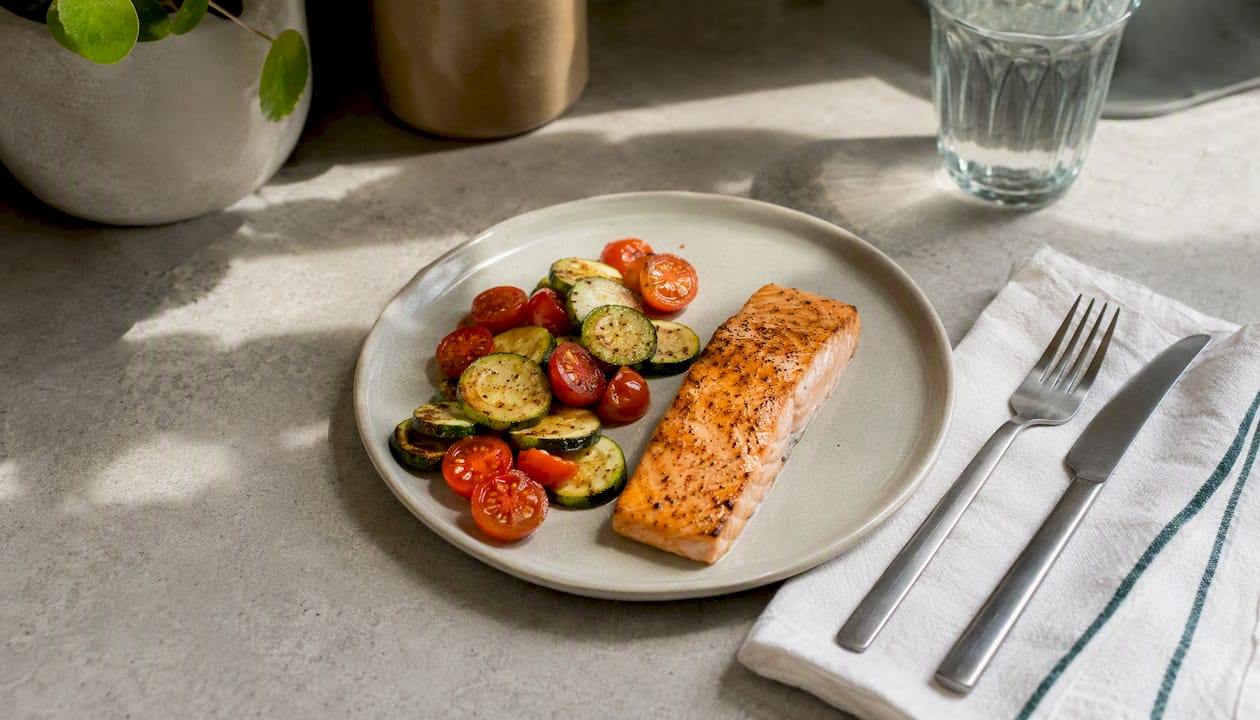
12. Fatty fish (salmon) Salmon provides omega-3 fatty acids and vitamin D, both linked to reduced fatigue and improved mood. A 3-ounce serving also delivers roughly 22 grams of protein. Bake a fillet on Sunday and use it in salads or grain bowls through midweek. Best for: dinner or lunch. Speed: sustained (via anti-inflammatory and micronutrient support). Prep: cook-ahead.
Food | Best for (time of day) | Speed of effect | Ease/prep |
Oats | Morning | Sustained | Minimal prep |
Banana | Mid-morning | Quick boost | Grab-and-go |
Greek yogurt | Morning or snack | Sustained | Grab-and-go |
Almonds | Mid-morning or afternoon | Sustained | Grab-and-go |
Salmon | Lunch or dinner | Sustained | Cook-ahead |
Cucumber/kefir | Mid-afternoon | Quick (hydration) | Grab-and-go |
How to fit these foods into a realistic daily eating routine
The practical rule is a consistent 3–4 hour rhythm with protein at every meal and a hydrating element at each eating occasion. Dietitians recommend eating every 3–4 hours and pairing protein with fiber to maintain steady energy, adjusting timing around work schedules and workouts.
Morning (6:30–7:30 AM): If you exercise before breakfast, a small pre-workout snack such as half a banana with almond butter prevents energy depletion without weighing you down. Breakfast itself should combine protein and fiber: overnight oats with Greek yogurt and frozen berries takes three minutes to assemble the night before.
Mid-morning (9:30–10:30 AM): A grab-and-go snack prevents the late-morning dip. A hard-boiled egg with a piece of fruit, or a small container of Greek yogurt, covers the protein threshold without requiring any prep at work.
Lunch (12:00–1:00 PM): Build the plate around whole foods paired with protein and healthy fats to prevent the post-lunch slump. A grain bowl with quinoa, leafy greens, avocado, and a protein source (beans, chicken, or salmon) takes about ten minutes to assemble from batch-cooked components.
Mid-afternoon (2:30–3:30 PM): This is the window where most people reach for something sweet. Hummus with cucumber slices, cottage cheese with fruit, or a small nut mix with a glass of water addresses both the energy dip and the hydration gap.
Dinner (6:00–7:00 PM): Dinner should be satisfying but not so heavy that it disrupts sleep. Baked salmon with sweet potato and steamed kale covers omega-3s, complex carbs, and iron in one meal. For active people, a small evening snack such as cottage cheese with a few berries supports overnight muscle repair.
Sample plate template:
Plate section | What to put there | Why |
Half the plate | Vegetables and leafy greens | Fiber, micronutrients, hydration |
One quarter | Whole grains or starchy vegetable | Sustained carbohydrate energy |
One quarter | Lean protein or fatty fish | Blood sugar stability, satiety |
Small addition | Healthy fat (avocado, nuts, olive oil) | Slows digestion, supports absorption |
Pro Tip: Batch-cook two staples every Sunday: a pot of oats and a tray of hard-boiled eggs. Those two items alone cover breakfast and snacks for most of the week with zero morning prep.
Night-shift workers can apply the same 3–4 hour rhythm shifted to their waking hours. On low-appetite days, the Academy of Nutrition and Dietetics suggests smaller, more frequent meals rather than forcing large portions.
Foods and habits that commonly drain your energy
The fastest way to undo a solid food plan is to pair it with energy-sapping choices. Balanced dietary patterns consistently outperform ultra-processed, high-sugar eating for sustained energy, according to intervention and observational evidence.
Common energy-sappers and their swaps:
Sugary drinks and fruit juice: Produce a rapid glucose spike followed by a crash. Swap for water with lemon, sparkling water, or unsweetened herbal tea.
Refined carbs (white bread, pastries, crackers): Digest quickly and leave you hungry within an hour. Swap for whole-grain bread, oat-based crackers, or sweet potato.
Energy drinks: High caffeine and sugar content creates a short boost followed by a pronounced dip, and the caffeine can disrupt sleep if consumed after early afternoon. Swap for green tea or a small coffee before noon.
Heavy fried foods: High fat content slows digestion to the point of sluggishness rather than sustained energy. Swap for baked, grilled, or steamed preparations.
Skipping meals: Long gaps between eating deplete blood glucose and make it harder to make clear-headed food choices at the next meal. Swap for a small, protein-containing snack to bridge the gap.
Caffeine timing matters more than most people realize. Caffeine consumed after 2:00 PM can interfere with sleep onset for many adults, creating a cycle of poor sleep and reliance on more caffeine the next morning. Most adults tolerate up to 400 mg of caffeine daily (roughly four 8-ounce cups of brewed coffee), though pregnant individuals and those on certain medications should consult a clinician before that level. Keeping caffeine to the morning hours and switching to water or herbal tea by early afternoon breaks the cycle.
Pro Tip: When a clean eating swap feels restrictive, reframe it as an addition rather than a removal. Add a glass of water before reaching for a soda, and add a handful of almonds before reaching for chips. The substitution often happens naturally.
Key nutrients tied to fatigue and when to see a clinician
If persistent fatigue continues despite consistent sleep and dietary improvements, the most likely nutritional culprits are iron, vitamin B12, vitamin D, and magnesium. Peer-reviewed reviews link micronutrient deficiencies, particularly iron and B12, with fatigue and reduced energy; clinical testing is warranted when fatigue persists (PMC review article).
Iron supports oxygen transport in red blood cells. Low iron is especially common in women of reproductive age, vegetarians, and vegans. Signs that suggest testing include breathlessness with mild exertion, pale skin, and persistent tiredness despite adequate sleep. Dietary sources include red meat, oysters, lentils, spinach, and fortified cereals. Pairing plant-based iron sources with vitamin C (bell pepper, citrus, strawberries) meaningfully improves absorption.
Vitamin B12 is found almost exclusively in animal products: meat, fish, dairy, and eggs. Older adults and people following plant-based diets are at higher risk of deficiency. Cognitive decline, numbness, and fatigue that does not resolve with rest are common signs.
Vitamin D deficiency is widespread in the United States, particularly in northern states during winter months. Fatty fish, fortified dairy, and eggs provide some dietary vitamin D, but supplementation is often needed; a clinician can confirm with a simple blood test.
Magnesium supports over 300 enzymatic reactions, including those involved in energy production. Nuts, seeds, leafy greens, and whole grains are reliable dietary sources. Muscle cramps, poor sleep, and low energy together can suggest suboptimal magnesium intake.
Fatigue that is severe, sudden, or accompanied by unexplained weight loss, heart palpitations, or significant cognitive changes warrants prompt medical evaluation — dietary adjustments alone are not sufficient in those cases.
This article provides general nutrition information and is not a substitute for professional medical advice. Consult a qualified clinician for persistent or unexplained fatigue.
How to build this routine so it actually sticks
The gap between knowing what to eat and consistently eating it is a habit problem, not an information problem. Coachjillbyrne’s coaching approach addresses that gap with three sequential steps applied over four weeks.
Step 1 — Plan (Week 1): Choose three anchor meals that you will eat at roughly the same time each day. Anchor meals create the structural rhythm that makes the 3–4 hour eating pattern automatic rather than effortful.
Step 2 — Prep (Week 2): Batch-cook two staple items each Sunday. Oats and hard-boiled eggs cover most of the week’s breakfast and snack needs. Add a cooked grain (quinoa or brown rice) and a protein (baked salmon or a pot of lentils) and lunch prep takes under 30 minutes.
Step 3 — Track and adjust (Weeks 3–4): Use a simple habit counter, a meal check-in app, or a weekly accountability conversation to identify where the plan breaks down. Most people find one or two specific time slots where old habits resurface; those slots are where targeted swaps make the biggest difference.
Sustainable energy comes from consistent habits, not perfect meals. An 85/15 approach — nourishing choices most of the time with room for flexibility — is more effective long-term than rigid restriction.
Pro Tip: Habit stacking works well here: attach a new food habit to something you already do reliably. Fill a water bottle every time you make coffee. Add a handful of almonds to your bag every time you pack your laptop. The existing habit carries the new one.
For readers who want a structured, personalized version of this plan, Coachjillbyrne’s nutrition coaching provides accountability support, meal planning guidance, and habit-based coaching tailored to individual schedules and goals. You can also explore the 7-day sustainable eating plan to put this blueprint into practice immediately.
What most energy-eating advice gets wrong
Most articles on this topic hand you a food list and call it a plan. The list is not wrong — oats, eggs, salmon, and leafy greens genuinely support steady energy. The problem is that a list does not tell you when to eat those foods, how to combine them, or what to do when the routine breaks down at 3:00 PM on a Wednesday.
The conventional advice also overweights breakfast. Breakfast matters, but the mid-afternoon window is where most people’s energy management actually falls apart. That 2:30–3:30 PM stretch is where refined carbs and energy drinks do the most damage, and where a simple swap (hummus and cucumber instead of a vending machine snack) produces the most noticeable difference in how you feel by 5:00 PM.
The other underrated factor is hydration timing. Drinking water reactively, only when thirsty, means you are already mildly dehydrated when you reach for the glass. Spreading fluid intake across the day, and getting some of it from water-rich foods, is more effective than catching up with a large glass at dinner.
The habit piece is where most self-directed plans stall. People know what to eat by the end of week one. They stop doing it by week three because nothing in their environment changed. Batch-prepping two items on Sunday, attaching new food habits to existing routines, and having one accountability check-in per week are the structural changes that make the difference between a plan you read and a plan you follow.
Sources
The following sources informed this article and are worth bookmarking for deeper reference:
FAQ
What should you eat every day for steady energy?
Build each meal around protein, complex carbohydrates, and healthy fats, and eat every 3–4 hours—adjusting timing for your daily routine, and choosing smaller, more frequent meals if you have a low appetite or struggle to eat full portions at traditional meal times. Practical daily staples include oats, eggs, Greek yogurt, leafy greens, beans, nuts, and fatty fish like salmon.
Which foods help fight fatigue most effectively?
Iron-rich foods (lentils, spinach, red meat), vitamin B12 sources (eggs, fish, dairy), and magnesium-rich options (almonds, pumpkin seeds, whole grains) address the most common nutritional causes of fatigue. Pairing plant-based iron with vitamin C improves absorption.
What gives you the most energy in the morning?
A breakfast combining protein and fiber, such as oats with Greek yogurt and berries, stabilizes blood sugar and prevents mid-morning crashes. Registered dietitians consistently recommend this combination over high-sugar cereals or pastries.
What food gives older adults more energy?
Older adults benefit most from protein-rich foods (eggs, fish, Greek yogurt, legumes) to counter age-related muscle loss, alongside vitamin B12 and vitamin D sources. B12 absorption decreases with age, so regular intake from animal products or fortified foods is particularly important.
Recommended
Comments