
How Gut Health Affects Your Overall Wellness

Most people think about gut health only when something goes wrong. Bloating after a meal, heartburn, or digestive discomfort get their attention, but the story doesn’t stop there. Understanding how gut health affects overall wellness means recognizing that your gut influences your mood, your immune system, your energy levels, and even how clearly you think. Common signs of poor gut health include heartburn, intestinal gas, and bloating, but the deeper consequences of a disrupted gut extend far beyond your stomach. This article explains the science and gives you practical steps to act on it.
Table of Contents
Key takeaways
Point | Details |
Gut health goes beyond digestion | Your gut microbiome regulates immune function, mood, energy, and inflammation throughout your body. |
The gut-brain axis is bidirectional | Stress disrupts gut bacteria, and gut imbalances can worsen anxiety, brain fog, and mood swings. |
SCFAs are a critical health signal | Short-chain fatty acids produced by gut bacteria regulate immunity and reduce systemic inflammation. |
Diet diversity is the foundation | Eating a wide variety of fiber-rich whole foods directly nourishes beneficial gut bacteria. |
Lifestyle factors compound quickly | Sleep, exercise, and stress management each independently support microbiome balance and overall wellness. |
How the gut microbiome shapes your health
Your gut is home to trillions of microorganisms, including bacteria, fungi, and viruses, that collectively form the gut microbiome. This community is not passive. It performs metabolic work around the clock, synthesizing vitamins like B12 and K2, breaking down dietary fiber, and producing compounds that communicate with nearly every organ system in your body.
Fiber fermentation by gut bacteria produces metabolites that influence metabolism, immune function, and inflammation across multiple physiological axes. The most studied of these metabolites are short-chain fatty acids, or SCFAs. Butyrate, acetate, and propionate are the three primary SCFAs, and each operates through distinct mechanisms. Acetate works via GPR receptors, while butyrate functions through HDAC inhibition, which explains why different types of dietary fiber produce different immune outcomes.
The gut microbiome also maintains the intestinal barrier, the physical lining that separates your gut contents from your bloodstream. When this barrier is compromised, immune activation follows. High processed food and alcohol intake starves beneficial bacteria and damages this lining, setting off a cascade of systemic effects.
Here is a quick reference for the key roles your gut microbiome plays:
System | Gut microbiome’s role | What disruption looks like |
Immune system | Trains immune cells, regulates inflammation | Frequent illness, chronic inflammation |
Brain and mood | Produces neurotransmitter precursors, signals via vagus nerve | Anxiety, brain fog, mood swings |
Energy metabolism | Synthesizes vitamins, aids nutrient absorption | Fatigue, nutrient deficiencies |
Intestinal barrier | Maintains gut lining integrity | Increased inflammation, digestive symptoms |
The gut-brain connection and your mood
The relationship between your gut and your brain is one of the most significant and least discussed aspects of mental wellness. The gut-brain axis is a two-way communication network involving the vagus nerve, the immune system, and microbial metabolites. What happens in your gut does not stay in your gut.
Gut inflammation disrupts mood through immune signaling and changes to neurotransmitter production. Approximately 90% of the body’s serotonin, a neurotransmitter central to mood regulation, is produced in the digestive tract. When gut bacteria are out of balance, this production is affected, and the downstream effects on mood can be significant.
Research links gut dysbiosis, an imbalance in the microbial community, with feelings of anxiety, irritability, sadness, and persistent mood swings. Here is how the gut-brain communication pathway works in practice:
Microbial imbalance triggers low-grade inflammation in the gut lining.
Immune signaling molecules called cytokines travel through the bloodstream and reach the brain.
Neurotransmitter production is disrupted, particularly serotonin and dopamine pathways.
The vagus nerve carries stress signals bidirectionally, meaning the brain also sends distress signals back to the gut.
Mood symptoms such as anxiety, brain fog, and irritability emerge or worsen.
“Disorders of gut-brain interaction illustrate how bidirectional communication influences both gut symptoms and psychological symptoms like anxiety and depression.” Cleveland Clinic
The bidirectional nature of this relationship is what makes it so clinically relevant. Chronic stress does not just feel bad mentally. It actively disrupts gut microbiome composition, which then feeds back into worsening mood. This cycle is real, and breaking it requires addressing both sides simultaneously.
Pro Tip: If you notice mood dips that seem unrelated to life circumstances, consider tracking your food intake alongside your mood for two weeks. Patterns between dietary choices and emotional state often become visible faster than people expect.
Gut health, immunity, and energy levels
The relationship between gut and immunity is not metaphorical. Roughly 70% of the immune system resides in or around the gut. The microbiome trains immune cells from early in life, teaching them to distinguish between harmful pathogens and harmless substances. When that training environment is disrupted, immune dysregulation follows.

SCFAs like butyrate promote regulatory T cells and reduce systemic inflammation by acting on immune pathways through GPCR activation and HDAC inhibition. This is not a minor effect. These fatty acids serve as the primary energy source for intestinal epithelial cells, meaning a fiber-poor diet directly starves the cells responsible for maintaining your gut barrier.
Chronic gut inflammation also has a direct impact on physical energy. Gut imbalances can cause systemic exhaustion even when a person is getting adequate rest. This pattern, sometimes described as feeling “wired but tired,” reflects the metabolic cost of sustained immune activation. The body is spending energy managing inflammation rather than fueling daily function.
Key ways gut health directly affects immunity and energy:
Intestinal barrier integrity prevents immune-activating substances from entering the bloodstream.
Microbial diversity correlates with more balanced and adaptive immune responses.
SCFA production from dietary fiber reduces inflammatory signaling throughout the body.
Nutrient absorption depends on a healthy gut lining, meaning poor gut health can cause deficiencies even with a good diet.
Immune overactivation from chronic dysbiosis contributes to fatigue, joint discomfort, and systemic inflammation.
Pro Tip: Adding one additional serving of diverse plant foods per day, think lentils, leafy greens, or berries, is one of the simplest ways to increase SCFA production and support immune regulation without overhauling your entire diet.
Practical ways to improve gut health
Improving gut health does not require a dramatic dietary overhaul. The most effective strategies are consistent, sustainable habits that nourish your microbiome over time. Diet and daily habits directly influence the gut microbiome, promoting immune strength, mood stability, energy, and sleep quality.
Here are the evidence-based strategies that matter most:
Eat more fiber from diverse sources. Aim for 25 to 38 grams of fiber daily from vegetables, legumes, whole grains, and fruits. Different fiber types feed different bacterial strains, so variety is more important than volume alone.
Move your body consistently. 150 minutes of moderate exercise weekly supports gut microbiome balance and reduces gut-related inflammation.
Prioritize sleep. Seven to nine hours of quality sleep per night is recommended to maintain microbiome health. Sleep deprivation directly disrupts microbial diversity within days.
Manage stress actively. Chronic stress reshapes gut bacteria composition. Practices like deep breathing, walking, and structured downtime have measurable effects on gut function.
Reduce processed foods and alcohol. These two dietary patterns are among the most consistently damaging to beneficial gut bacteria and the intestinal barrier.
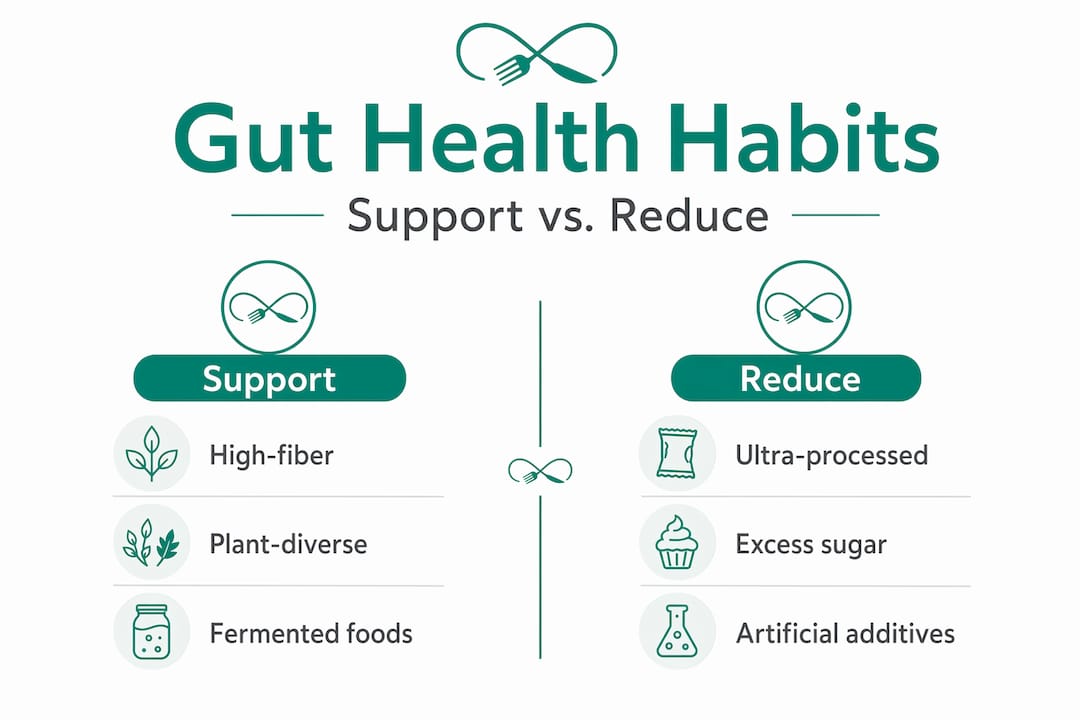
The table below compares gut-supportive habits against common habits that undermine microbiome health:
Supportive habit | Habit to reduce |
High-fiber, plant-diverse meals | Ultra-processed snack foods |
7 to 9 hours of consistent sleep | Irregular or shortened sleep schedules |
Regular moderate exercise | Prolonged sedentary behavior |
Stress reduction practices | Chronic unmanaged stress |
Fermented foods like yogurt or kefir | Excessive alcohol consumption |
Microbial metabolite profiles vary individually, meaning two people with similar symptoms may have very different gut microbiome dynamics. This is why personalized approaches to nutrition and lifestyle tend to produce better outcomes than generic plans.
Recognizing signs of poor gut health
Knowing when your gut is struggling is the first step toward addressing it. Some symptoms are obvious. Others are easy to attribute to stress, aging, or lifestyle without recognizing the gut connection.
Common signs that your gut health may be affecting your wellness include:
Persistent bloating, gas, or heartburn
Frequent digestive discomfort after meals
Unexplained fatigue that does not improve with rest
Brain fog or difficulty concentrating
Mood swings, irritability, or low-grade anxiety
Frequent colds or slow recovery from illness
Skin issues like acne or eczema that do not have a clear cause
Stress and nervous system involvement affect gut-brain signaling pathways, which means some of these symptoms may feel psychological when they are, at least in part, physiological. If several of these symptoms appear together and persist, a conversation with a healthcare provider is worth having. Gut-related conditions like irritable bowel syndrome are real, diagnosable, and treatable with the right support.
My take on gut health and wellness
I’ve worked with enough clients to say this clearly: gut health is the most underestimated factor in how people feel day to day. People come to me frustrated about low energy, persistent mood dips, or weight that won’t move despite genuine effort. And when we look at their eating patterns, the gut picture is almost always part of the story.
What surprises most people is not the science. It’s how quickly things shift when they start eating more diversely and managing stress with intention. I’ve seen clients report better sleep, steadier moods, and noticeably more energy within a few weeks of making consistent dietary changes. Not dramatic interventions. Just more fiber, less processed food, and a regular sleep schedule.
The other thing I’ve learned is that treating symptoms in isolation rarely works. Someone managing anxiety who ignores their diet is missing a significant piece of the picture. Someone trying to lose weight while running on poor sleep is fighting their own gut bacteria. The systems are connected, and the strategies need to reflect that.
Pay attention to the subtle signals. Mood shifts after certain meals, energy crashes that follow poor sleep, or digestive discomfort that tracks with stressful weeks. These are your gut communicating. The sooner you start listening, the more you can do about it.
— Jill
Personalized coaching for gut health and wellness
Understanding the gut-body connection is one thing. Knowing how to apply it to your specific life, your food preferences, your schedule, and your health history, is where most people get stuck.

Coachjillbyrne offers personalized nutrition coaching designed to help you build sustainable habits that support gut health and overall wellness. From meal planning and food diversity strategies to stress management and accountability support, the coaching approach is grounded in real food and practical lifestyle change. Whether you are dealing with fatigue, mood instability, or simply want to feel better consistently, structured support makes the difference. Explore personalized wellness coaching or review coaching plans and pricing to find the right fit. Ready to start? Book a session and take the first step toward a gut-supported wellness routine.
FAQ
What is the gut microbiome and why does it matter?
The gut microbiome is the community of trillions of microorganisms living in your digestive tract. It regulates immune function, produces neurotransmitter precursors, synthesizes vitamins, and influences energy metabolism, making it central to overall wellness.
Can gut health improve mood and reduce anxiety?
Yes. The gut produces approximately 90% of the body’s serotonin, and gut dysbiosis has been linked to anxiety, irritability, and mood swings through immune signaling and disrupted neurotransmitter production.
How does gut health affect the immune system?
Roughly 70% of immune activity is centered in or around the gut. Beneficial gut bacteria train immune cells and produce short-chain fatty acids that regulate inflammation and maintain the intestinal barrier.
What are the most effective ways to improve gut health?
Eating a diverse, fiber-rich diet, getting 7 to 9 hours of sleep, exercising at least 150 minutes per week, and reducing processed foods and alcohol are the most evidence-backed strategies for improving gut microbiome health.
How do I know if my gut health is affecting my energy levels?
Persistent fatigue that does not improve with adequate rest, combined with digestive symptoms or mood changes, may indicate gut imbalance. Gut inflammation and poor nutrient absorption can cause systemic exhaustion even when other lifestyle factors appear normal.
Recommended
Comments