
How to Build Healthy Food Culture at Home
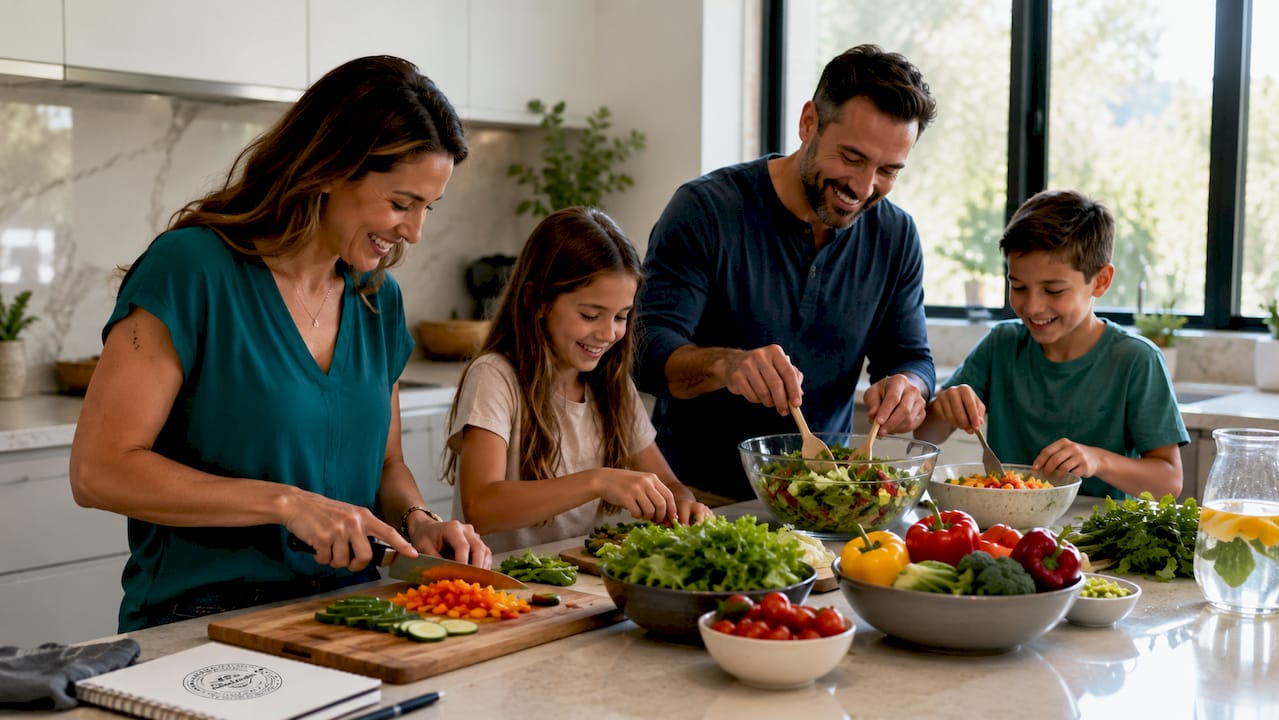
A healthy food culture is the set of environmental cues, social practices, and habitual behaviors that consistently support nourishing, enjoyable eating at home. Knowing how to build healthy food culture means understanding that lasting nutrition habits are not products of willpower. They are products of system design. Research from the CDC, Johns Hopkins Medicine, and behavioral science all point to the same conclusion: when you shape your environment and your social rituals around food, better choices follow naturally. This article gives you the practical framework to make that happen.
How does environment design influence healthy eating habits?
Building a healthy food culture is primarily a system design challenge, not a discipline challenge. The way you arrange your kitchen, stock your refrigerator, and structure your shopping list determines what you eat far more than motivation does.
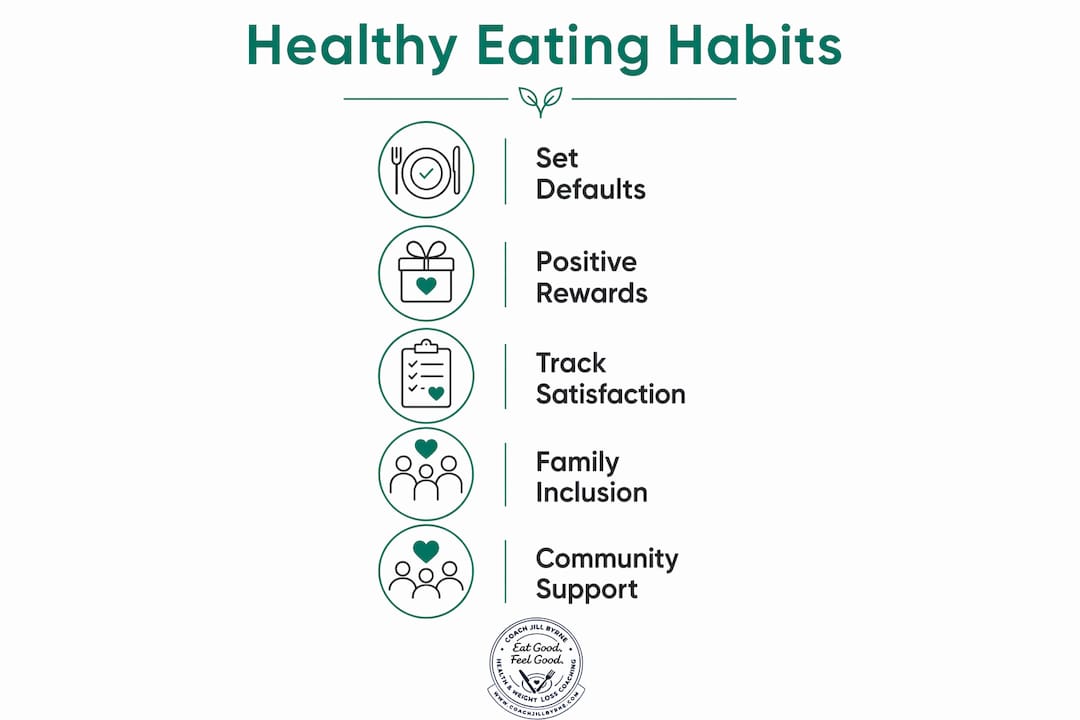
The core principle is behavioral design: make healthy foods the default option. When washed fruits and vegetables sit at eye level in a clear bowl or on the top shelf of your refrigerator, you reach for them without thinking. When chips and cookies are stored in an opaque container on a high shelf, you eat them less often. No restriction required. The CDC notes that placement and availability shape food choices in school environments, and the same logic applies directly to your home kitchen.
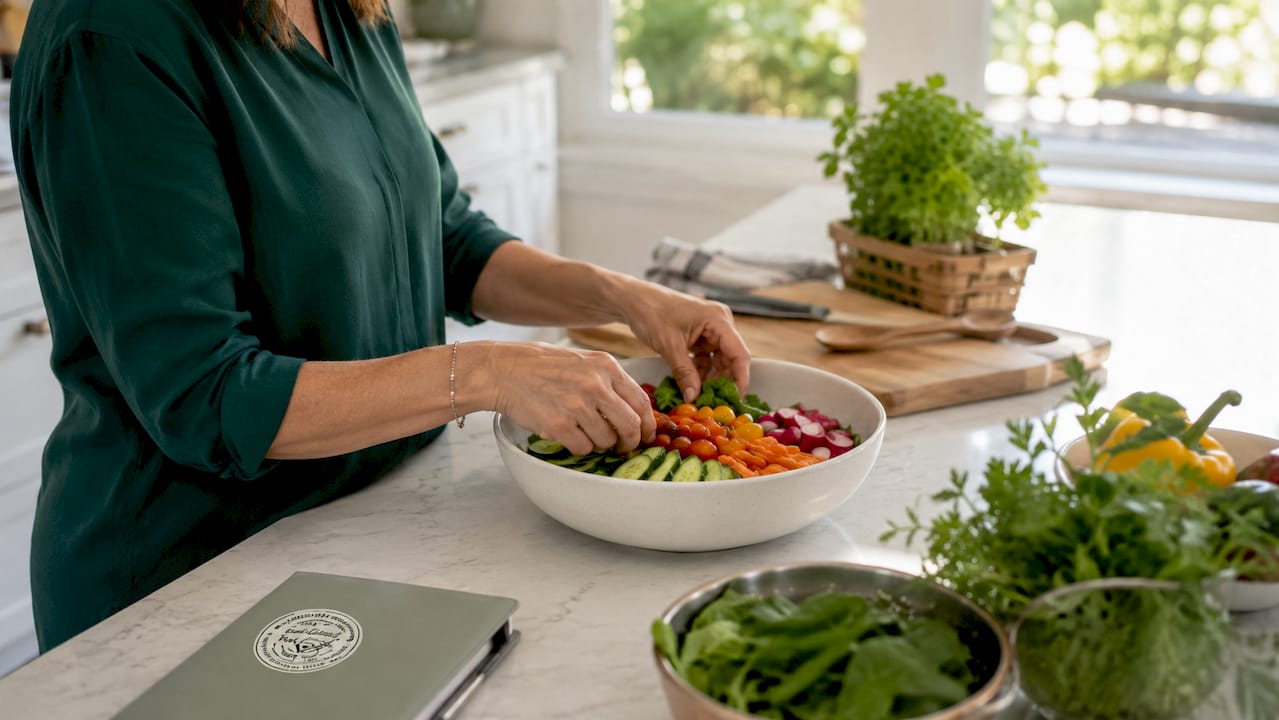
Here is a practical before-and-after comparison to illustrate the difference:
Kitchen setup | Default choice | Likely outcome |
Fruit in a closed drawer | Crackers on the counter | Crackers eaten first |
Fruit bowl on the counter | Visible, ready-to-eat produce | Fruit eaten more often |
Snacks at eye level in pantry | Chips grabbed without thought | Higher snack consumption |
Snacks on top shelf, oats at eye level | Oats or nuts grabbed first | More nutritious snack choices |
Redesigning your kitchen does not require a renovation. Start by auditing what is visible and accessible. Move your cutting board and a bowl of produce to the counter. Pre-wash and portion vegetables on Sunday so they are grab-and-go ready by Monday. Swap opaque containers for clear ones for healthy staples like nuts, oats, and whole grain crackers.
Pro Tip: Think of yourself as the architect of your food space. Every item you place within arm’s reach is a decision you have already made for your future self. Reduce the number of in-the-moment choices, and you reduce the mental load of eating well.
What behavioral strategies support sustainable healthy eating habits?
Sustainable habit change relies on positive reinforcement like pride and satisfaction, not restrictive rules that cause burnout. Behavior analysis offers a clear model for understanding this: the Antecedent-Behavior-Consequence (ABC) framework.
The antecedent is the cue or trigger before a behavior. The behavior is the eating choice itself. The consequence is what follows, and that consequence shapes whether the behavior repeats. When the consequence is positive, such as feeling energized after a balanced lunch, the behavior is more likely to repeat. When the consequence is shame or guilt, the cycle breaks down.
Here are practical strategies grounded in this model:
Start small. Choose one meal per day to focus on, not every meal. Small wins build momentum without overwhelming you.
Use positive self-talk. After a nutritious meal, pause and notice how you feel. Saying “I feel good when I eat this way” reinforces the behavior more effectively than any external reward.
Reward effort, not perfection. Acknowledge consistency over time. One off-meal does not undo a week of solid choices.
Shape behavior gradually. If your goal is to eat more vegetables, start by adding one serving to dinner three times a week. Build from there.
Practice mindful eating. Slow down, remove screens, and pay attention to taste and fullness. This builds awareness of internal cues that guide better choices over time.
Positive self-talk paired with immediate rewards supports behavior shaping more effectively than punishment or restriction. That means celebrating the fact that you cooked dinner at home, regardless of whether it was perfectly balanced.
Pro Tip: Keep a simple weekly log of meals you felt good about. Not a calorie tracker. A satisfaction tracker. Reviewing it at the end of the week reinforces your identity as someone who eats well, and identity is the most durable driver of behavior.
How can families nurture a positive and inclusive food culture?
The emotional atmosphere at family meals fundamentally impacts children’s food attitudes and lifelong habits. Johns Hopkins Medicine confirms that laughter, storytelling, and relaxed conversation at the table create comfort and reduce the pressure children associate with eating. That comfort is the foundation of a healthy relationship with food.
Language matters as much as food choices. Calling foods “good” or “bad” introduces moral weight that triggers shame. Shame is not a motivator. It is a barrier. Shifting to neutral, descriptive language, such as “this has protein that helps your muscles” instead of “this is healthy,” removes judgment and builds trust with internal hunger and fullness cues. Removing food morality reduces stress and supports better long-term health outcomes through less disordered eating.
For families with children, the Division of Responsibility framework is worth knowing. Parents decide what food is offered and when. Children decide whether and how much they eat. This structure respects children’s internal cues and removes the power struggle from mealtimes.
Practical steps to build a positive family food culture include:
Start with one or two shared family meals per week rather than aiming for every night. Starting modestly with shared meals and focusing on connection over nutrition helps people develop lasting, positive food routines.
Remove screens from the table during at least one meal per day. Distraction-free eating improves both enjoyment and awareness of fullness.
Involve children in meal preparation. Kids who help cook are more willing to try new foods.
Avoid commenting on how much or how little anyone eats. Let internal cues guide portion decisions.
Model the behavior you want to see. If you eat vegetables with genuine enjoyment, children notice.
Flexibility is also a core component of a healthy eating community at home. An all-foods-fit approach removes judgment and promotes balance tailored to individual needs and tastes. No single meal defines a food culture. The pattern over time does.
What role does community play in building a healthy food culture?
Community is a primary driver of healthy eating behaviors. Shared habits and mutual support normalize nutritious choices in a way that individual willpower cannot sustain long-term. Think of this as building a “nutrition tribe,” a group of people, whether family, friends, or colleagues, who share values around food and hold each other accountable without lecturing.
Sharing meal plans, recipes, or photos with people you trust creates social modeling. When someone in your circle posts a photo of a meal they made, it prompts you to think about your own choices. That is social influence working in your favor, not against you.
Planning theme days reduces decision fatigue and encourages routine healthy choices within communities and families. Examples like “Soup Wednesdays” or “Fish Fridays” make meal planning predictable and even fun. Predictability reduces the mental effort of deciding what to eat, which means you are more likely to follow through.
The table below summarizes community-building tactics and their practical benefits:
Tactic | Benefit |
Shared weekly meal plan with a partner | Reduces decision fatigue and aligns household habits |
Recipe swap with friends or family | Introduces variety without the pressure of solo creativity |
Theme meal days (e.g., Taco Tuesday) | Creates routine and reduces planning effort |
Group grocery shopping or list sharing | Keeps purchasing aligned with shared nutritional values |
Cooking together once a week | Builds connection and makes healthy cooking feel social |
Respect for individual preferences within the group is non-negotiable. A healthy eating community does not enforce a single way of eating. It creates space for people to make better choices on their own terms, supported by shared values and consistent encouragement. For partners specifically, syncing healthy habits with the people you live with is one of the most effective ways to sustain a food culture long-term.
Key takeaways
Building a healthy food culture requires designing your environment, reinforcing positive behaviors, and creating shared social rituals, not relying on willpower or restrictive rules.
Point | Details |
Environment drives behavior | Place healthy foods at eye level and within reach to make nutritious choices automatic. |
Positive reinforcement works | Reward consistency and satisfaction rather than punishing imperfect meals. |
Language shapes food relationships | Use neutral, descriptive food language to remove shame and build trust with hunger cues. |
Family meals build lasting habits | Start with one or two shared meals per week, focused on connection over perfect nutrition. |
Community sustains healthy habits | Build a nutrition tribe and use theme days to normalize and simplify healthy eating. |
What I have learned from working with real families on food culture
Most people come to me convinced that their problem is willpower. They think they just need more discipline, a stricter meal plan, or a harder set of rules. After years of working with individuals and families, I can tell you that willpower is almost never the issue. The issue is the system they are living inside.
I have seen families transform their eating habits not by overhauling their diet overnight, but by moving the fruit bowl to the counter and turning off the TV at dinner. Those two changes alone shifted the entire tone of how they related to food. The environment did the work. They just had to set it up.
The mistake I see most often is aiming for perfection from day one. Families try to eat clean seven nights a week, eliminate all processed food at once, and make every meal a nutritional masterpiece. That approach burns people out within two weeks. What actually works is starting with home cooking habits two or three nights a week and building from there.
The other pitfall is moralizing food. When parents label foods as bad in front of children, those children grow up with complicated feelings about eating. Neutral language is not permissive. It is protective. It keeps the conversation about food open, curious, and shame-free.
My honest advice: design your space first, then work on your habits, then build your community. In that order. The results compound.
— Coach Jill
Ready to build your own healthy food culture with support?
Creating a healthy food environment at home is straightforward when you have a clear plan and someone in your corner. Coachjillbyrne offers personalized nutrition coaching that helps you design practical, sustainable eating habits without restrictive dieting or unrealistic expectations.

Whether you are just starting out or looking to reset habits that have slipped, Coachjillbyrne provides the accountability, meal planning guidance, and real food strategies that make the process manageable. Every coaching plan is built around your lifestyle, your family, and your goals. Visit Coachjillbyrne to learn more and take the first step toward a food culture that actually lasts.
FAQ
What is a healthy food culture at home?
A healthy food culture at home is the combination of environmental cues, shared habits, and social practices that make nutritious eating the natural default. It is built through system design, not willpower.
How do I start building a healthy food culture with my family?
Start with one or two shared family meals per week in a screen-free, relaxed setting. Johns Hopkins Medicine confirms that connection and emotional comfort at mealtimes matter more than nutritional perfection when building lasting food habits.
What language should I use around food with my kids?
Use neutral, descriptive language instead of labeling foods as good or bad. Saying “this has protein that helps your muscles” builds awareness without shame and supports a healthier long-term relationship with food.
How does my kitchen setup affect what I eat?
The CDC confirms that placement and availability directly shape food choices. Keeping washed produce at eye level and storing less nutritious options out of immediate reach makes healthier choices automatic without requiring constant decision-making.
Can community really help me eat better?
Yes. Shared habits and social modeling within a nutrition tribe normalize healthy eating more effectively than individual effort alone. Simple practices like sharing recipes, syncing meal plans, or creating theme meal days reduce decision fatigue and build consistent routines.
Recommended
Comments