
Lose Weight Eating Real Whole Food: A Practical Guide

Losing weight by eating real whole food is defined as replacing ultra-processed products with minimally processed, nutrient-dense ingredients that naturally reduce calorie intake while increasing the volume of food you eat. Research confirms that people on unprocessed diets eat 57% more food by weight yet consume 330 fewer calories per day. That is not a small margin. It means you can fill your plate, feel satisfied, and still create the calorie deficit needed for steady, natural weight loss. This guide covers the science behind why it works, how to build healthy weight loss meals around real food, and how to troubleshoot the most common beginner challenges.
How does eating real whole foods lead to weight loss?
Whole food weight loss works through food quality, not portion restriction. Ultra-processed foods are engineered to push consumption toward calorie-dense options, which creates micronutrient gaps and promotes overconsumption. Real foods do the opposite. Their high fiber and water content signal fullness before you have eaten excess calories.
The clinical evidence is direct. Participants following an unprocessed diet lost an average of 0.9 kg during trials, while those eating ultra-processed diets gained 0.9 kg over the same period. That is a 1.8 kg swing from food choice alone, with no calorie counting required.
Here is what drives that outcome at the meal level:
Fiber slows digestion and prolongs the feeling of fullness after eating.
Water content in vegetables, fruits, and legumes adds physical volume without adding calories.
Protein from eggs, chicken, Greek yogurt, and legumes reduces hunger hormones and preserves lean muscle during a calorie deficit.
Nutrient density means your body gets the vitamins and minerals it needs, reducing cravings driven by nutritional gaps.
Weight loss from improved food choice quality outperforms weight loss from simply eating less. That distinction matters because eating less is hard to sustain. Eating better is a habit you can build.
What are the best meal planning strategies for whole food weight loss?
A real food diet plan works best when it follows a repeatable structure. Nutrition experts recommend a 7-day repeatable meal framework with weekly adjustments to improve long-term adherence. Repeating a familiar template removes daily decision fatigue and makes grocery shopping faster and cheaper.
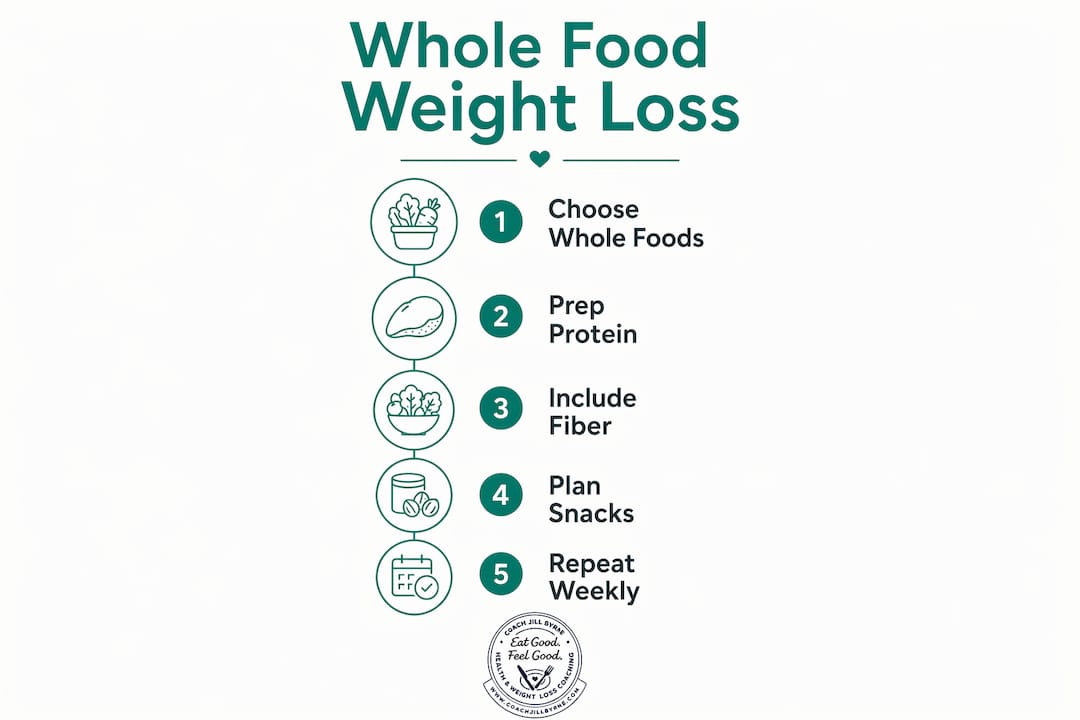
Build each meal around three anchors
Structure every main meal with three components:
Protein first. Target 40–55g of protein per meal, using palm-sized portions as your guide. Reliable sources include grilled chicken breast, canned tuna, eggs, Greek yogurt, black beans, and lentils.
Vegetables second. Fill at least half your plate with non-starchy vegetables such as broccoli, spinach, zucchini, bell peppers, or cucumber. These add volume and fiber with minimal calories.
Complex carbohydrates third. Use a fist-sized portion of whole grains like quinoa, farro, brown rice, or oats. These provide sustained energy without the blood sugar spike that refined carbs create.
Pro Tip: Prep your protein in bulk on Sunday. Grill or bake a full batch of chicken breasts or hard-boil a dozen eggs. Having protein ready removes the biggest barrier to eating well on busy weeknights.
Plan for snacks and meal timing
Hunger between meals is one of the most common reasons people abandon a clean eating plan. Structured snacks prevent that. Keep whole food snacks on hand: apple slices with almond butter, a small handful of walnuts, carrot sticks with hummus, or a cup of cottage cheese. These options provide protein or fiber to hold you over without derailing your calorie balance.
Meal timing also matters for hunger control. Eating three structured meals at consistent times each day reduces the likelihood of unplanned snacking on processed foods. Protein as a meal anchor supports fullness and lean mass retention, which is especially important when you are in a calorie deficit.
Shop smart to keep costs down
Whole foods for fat loss do not require a premium grocery budget. Frozen vegetables, canned beans, dried lentils, oats, and eggs are among the most affordable foods available. Buying seasonal produce and shopping with a weekly list based on your meal template cuts both cost and waste. Batch cooking grains and legumes at the start of the week means you always have a base ready for quick meals.
What challenges do beginners face on a whole food diet?
Switching to a whole food diet is straightforward in concept but comes with predictable friction points. Knowing them in advance makes them easier to manage.
Digestive adjustment is the most common early hurdle. Introducing high-fiber legumes and vegetables gradually over 2–3 weeks prevents bloating and discomfort. Start with smaller portions of beans and lentils, and drink adequate water throughout the day to support digestion.
Time and convenience are the second barrier. Many people assume whole food cooking requires hours in the kitchen. It does not. Frozen vegetables, canned beans, pre-cooked lentils, and rotisserie chicken are all legitimate whole food options that cut prep time significantly. A rotisserie chicken from the grocery store, paired with frozen broccoli and a bag of pre-washed salad greens, is a complete, nutritious meal in under ten minutes.
Meal fatigue sets in when people eat the same five meals on repeat without variation. The fix is simple: rotate your protein sources and swap one vegetable or grain each week. Keep the structure the same but change the ingredients. This approach maintains the benefits of a repeatable framework while preventing boredom.
Pro Tip: Keep a running list of three to five meals you genuinely enjoy and can prepare quickly. These become your default meals when you are tired or short on time. Defaults beat willpower every time.
Review your meal plan every week. Identify what worked, what felt tedious, and what you skipped. Adjust one or two elements and repeat. This iterative process, rather than a rigid plan you follow perfectly, is what builds lasting habits. You can find practical guidance on sustainable eating habits to support this process.
Which whole foods work best for fat loss and satiety?
Not all whole foods are equal when the goal is fat loss. The most effective choices combine high protein or high fiber with low calorie density.
Food Category | Best Examples | Primary Benefit |
Leafy greens | Spinach, kale, arugula | Very low calorie, high volume, rich in micronutrients |
Non-starchy vegetables | Broccoli, zucchini, bell peppers | High fiber, high water content, supports fullness |
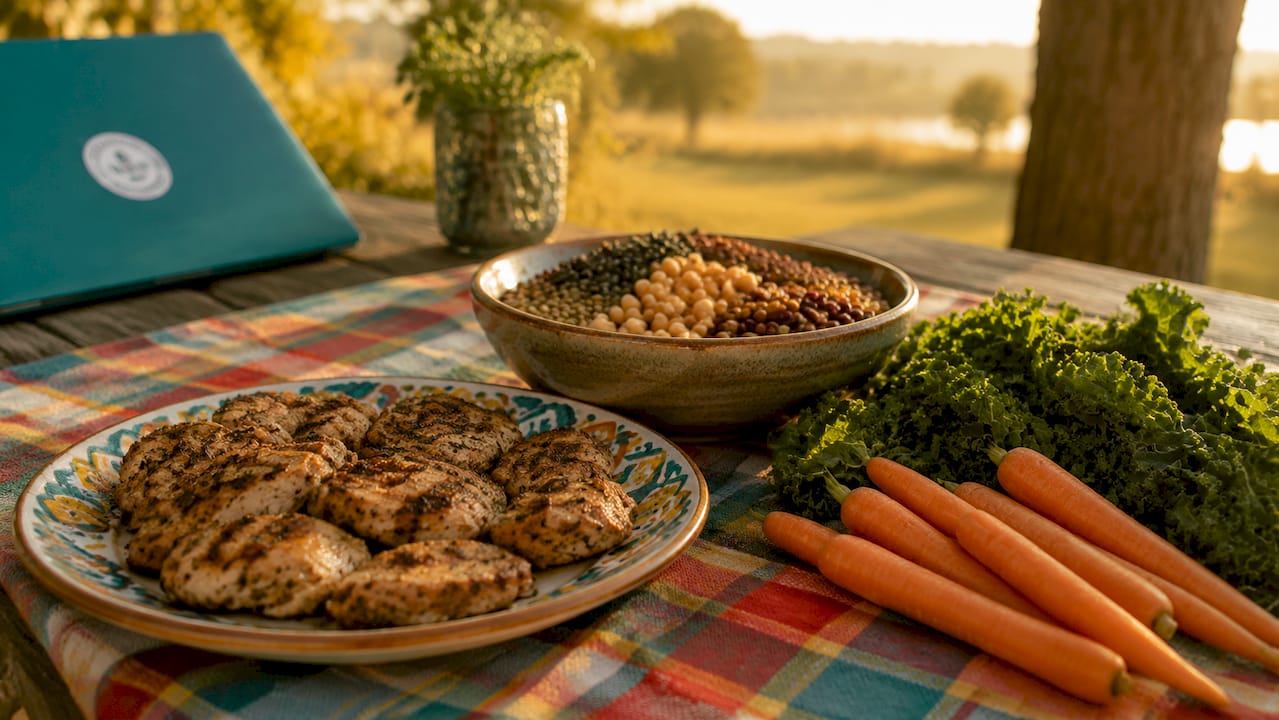
Lean proteins | Chicken breast, eggs, Greek yogurt, tuna | Supports satiety and muscle preservation |
Legumes | Black beans, lentils, chickpeas | Protein plus fiber in one food |
Whole grains | Quinoa, farro, oats, brown rice | Sustained energy, more fiber than refined grains |
Healthy fats | Avocado, walnuts, olive oil | Supports hormone function and meal satisfaction |
A practical example of how these foods come together is a Greek chicken meal prep bowl. A typical version contains grilled chicken breast, farro, cucumber, cherry tomatoes, red onion, and tzatziki. This meal delivers approximately 42–55g of protein and around 480 calories, making it a filling, balanced option that fits cleanly into a whole food weight loss plan. You can explore more sustainable weight loss foods for additional meal ideas built around the same principles.
The key principle across all of these foods is that they work together. Pairing a lean protein with a fiber-rich vegetable and a moderate portion of whole grains creates a meal that satisfies hunger, delivers steady energy, and supports fat loss without requiring you to track every calorie.
Key takeaways
Eating real whole food produces natural, sustained weight loss by improving food quality, not by forcing you to eat less.
Point | Details |
Quality drives results | Switching to unprocessed foods cuts 330 calories daily without reducing meal size. |
Structure every meal | Anchor each plate with 40–55g protein, half vegetables, and a fist of whole grains. |
Gradual fiber increase | Add legumes and vegetables slowly over 2–3 weeks to avoid digestive discomfort. |
Use convenience foods | Frozen vegetables, canned beans, and rotisserie chicken make whole food eating realistic. |
Review weekly | Adjust your meal plan each week based on what worked and what you skipped. |
What i have learned coaching real food weight loss
After working with clients across a wide range of starting points, one pattern stands out clearly. The people who succeed long term are not the ones who follow a perfect plan. They are the ones who build a flexible, repeatable system and stick with it through the imperfect weeks.
Most clients come to me having tried restrictive diets that left them hungry and frustrated. When they shift to a real food approach and realize they can eat more volume while still losing weight, the mindset shift is significant. The science backs this up. Weight loss driven by food quality rather than calorie restriction is more sustainable because it does not require constant willpower.
What I tell every client is this: do not aim for perfect eating. Aim for consistent eating. A meal plan you follow 80% of the time for six months will outperform a perfect plan you abandon after three weeks. Nutrition experts agree that focusing on sustainable frameworks with weekly revision beats rigid adherence every time.
The other thing I have seen repeatedly is that cooking habits matter as much as food choices. Clients who learn a handful of reliable, quick recipes they enjoy are far more consistent than those who rely on motivation alone. Building those cooking habits is often the single most impactful change a person can make.
— Coach Jill
Start your whole food weight loss plan with Coachjillbyrne
Coachjillbyrne’s approach to weight loss is built on the same evidence-based principles covered in this article: real food nutrition, practical meal planning, and consistent accountability without restrictive dieting. If you are ready to move from information to a personalized plan that fits your schedule and food preferences, Coachjillbyrne provides structured coaching designed for lasting results.

Explore the coaching philosophy behind Coachjillbyrne’s programs to see how personalized guidance, habit-based support, and real food strategies come together to help you reach your weight management goals sustainably. Whether you are just starting out or looking to break through a plateau, the right framework makes the difference.
FAQ
How much weight can you lose eating whole foods?
Clinical trials show participants on unprocessed diets lost an average of 0.9 kg compared to a 0.9 kg gain on ultra-processed diets. Individual results vary based on starting weight, activity level, and consistency.
Do you need to count calories on a real food diet?
Calorie counting is not required. Switching to whole foods naturally reduces calorie intake by approximately 330 calories per day due to higher fiber and water content that increases fullness.
What are the easiest whole foods to start with?
Eggs, canned beans, frozen vegetables, oats, and rotisserie chicken are affordable, low-prep options that fit a whole food diet without requiring significant cooking skills or time.
How long does it take to adjust to a whole food diet?
Most people adapt within 2–3 weeks. Digestive adjustment to higher fiber intake is the most common early challenge and resolves with a gradual increase in legumes and vegetables alongside adequate water intake.
Is a whole food diet expensive?
A real food diet plan built around eggs, legumes, frozen vegetables, oats, and seasonal produce is comparable in cost to a typical processed food diet. Batch cooking and a consistent weekly shopping list reduce both cost and food waste significantly.
Recommended
Comments